






Running a busy corporate flight operation demands an aircraft that delivers seamless coast-to-coast capabilities while keeping operating costs in check. Earlier models of transcontinental jets often required trade-offs between cabin space and fuel efficiency. Cessna Citation X/ X+
However, innovative designs have emerged to tackle those challenges, with the Bombardier Challenger 300 setting a standard in the super-midsize jet category. Crafted for demanding corporate schedules, this twin-engine business jet effortlessly merges agility on the runway with a spacious, productive interior, making it a reliable and economical travel option for international companies.
Innovative Aerodynamics of the Bombardier Challenger 300
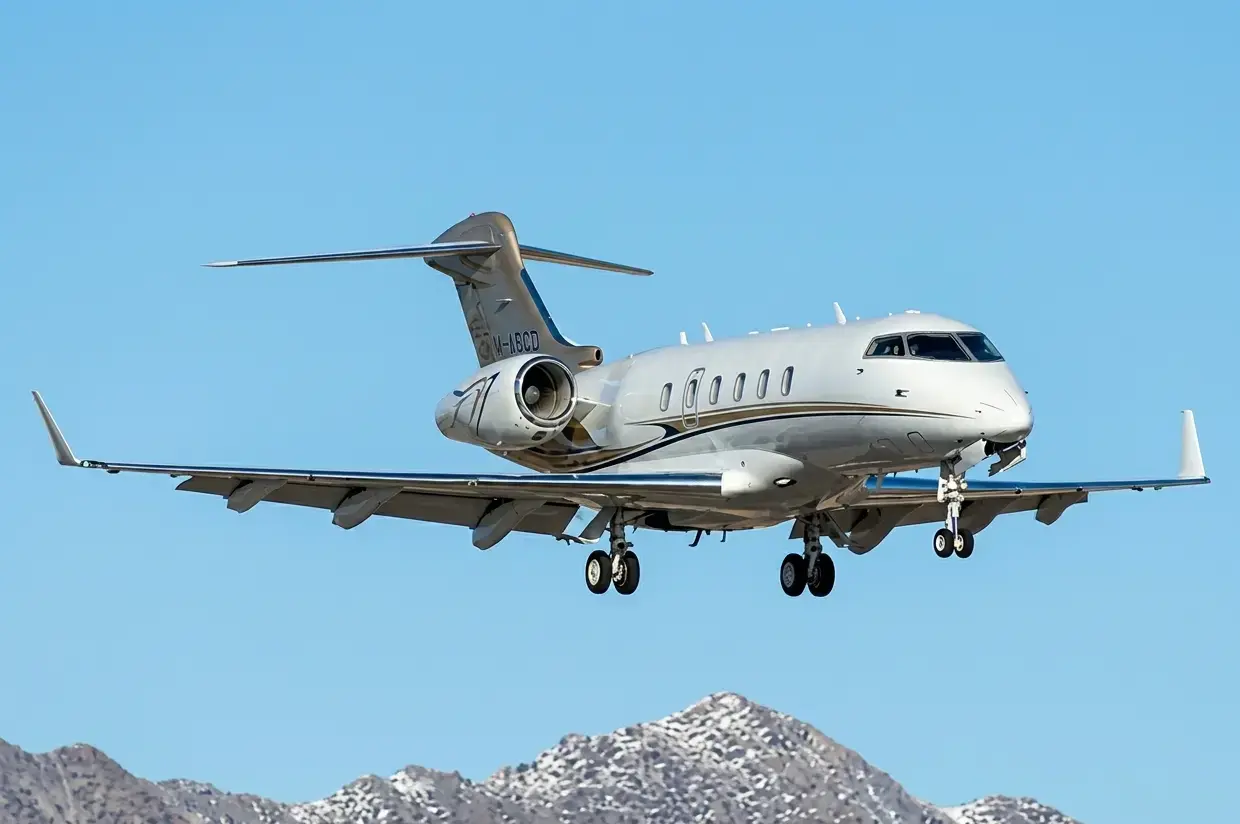
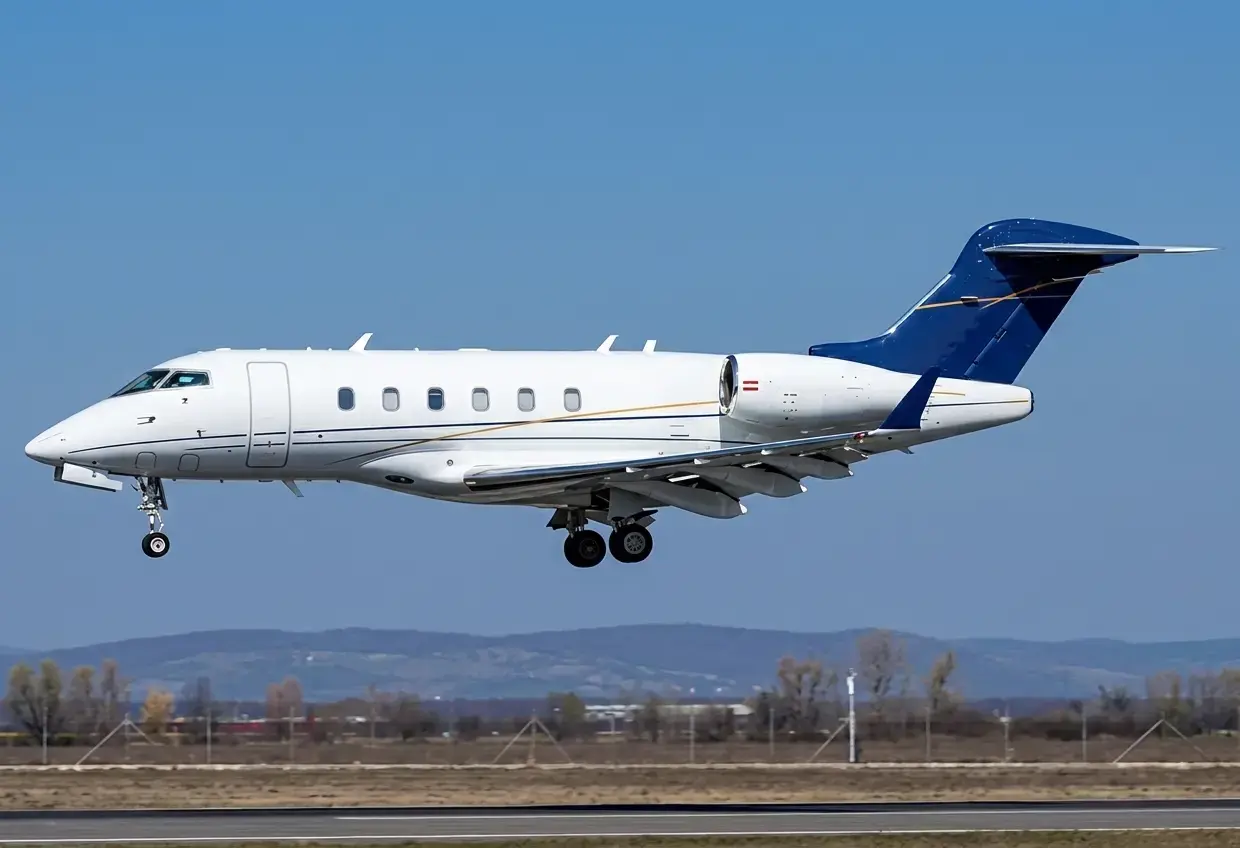
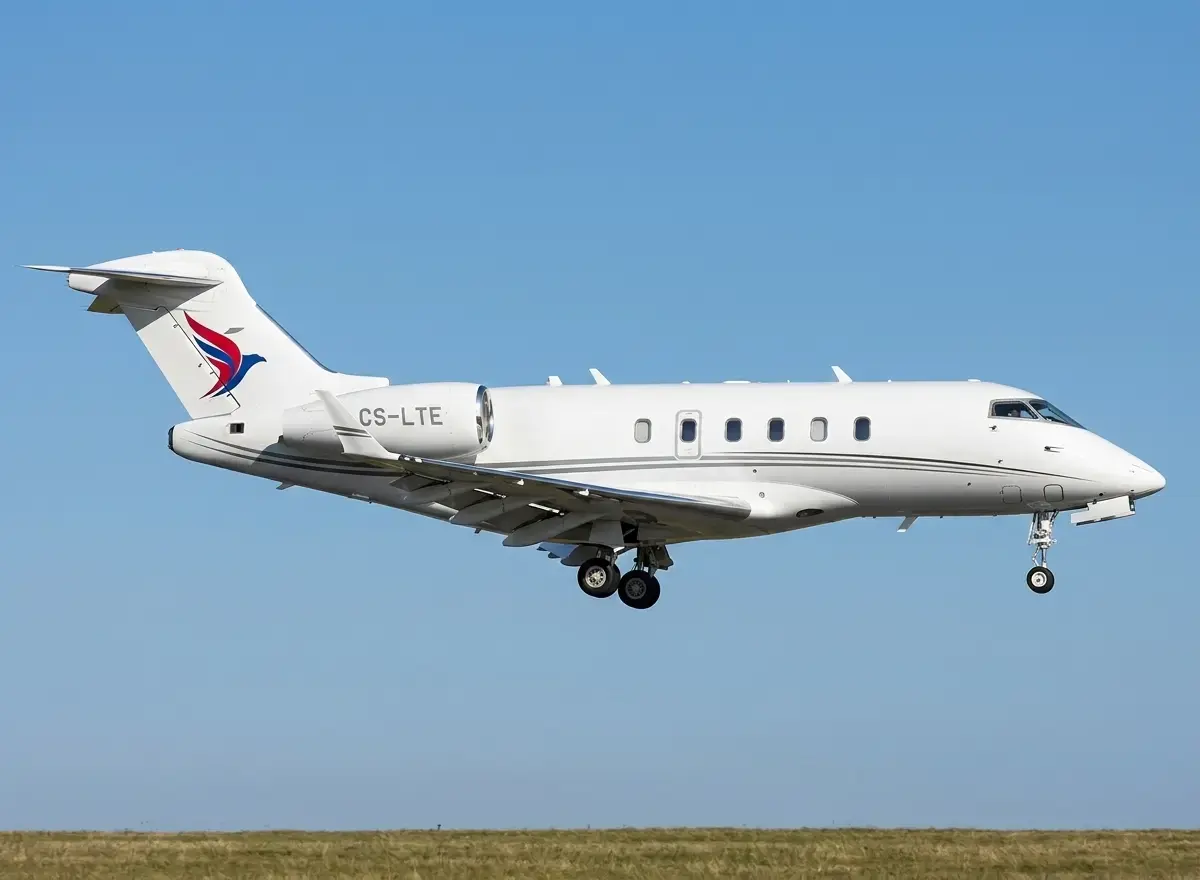
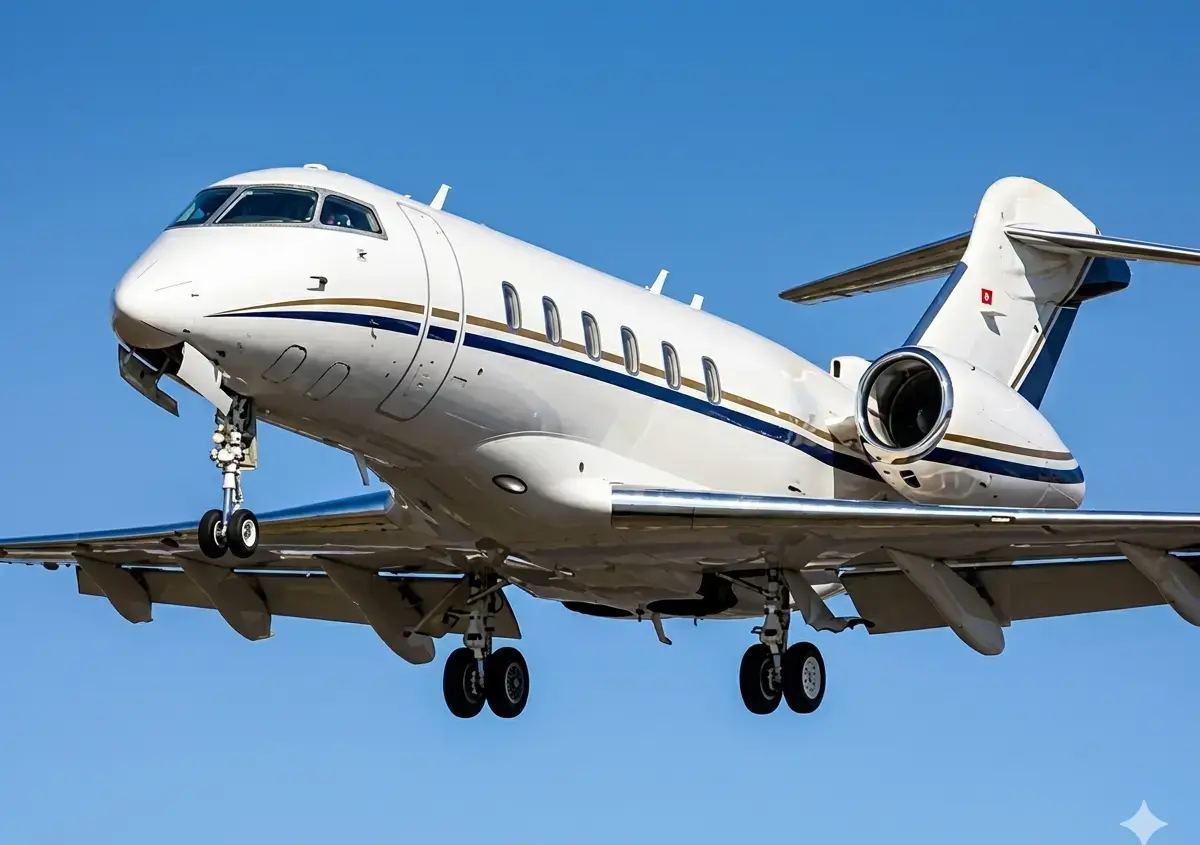
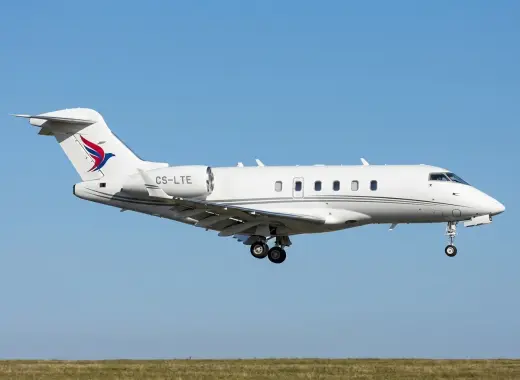
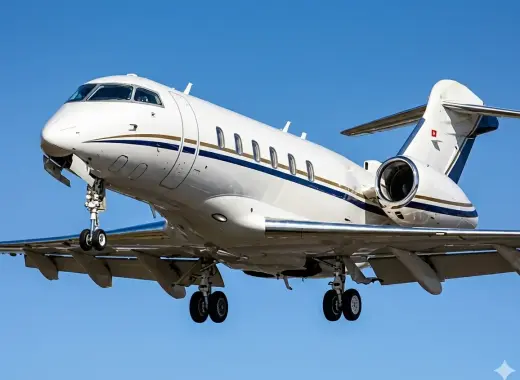
This business jet's structure is intelligently designed to enhance speed and stability over long journeys. Unlike older planes that were merely stretched versions of previous models, it boasts a supercritical wing with a 27-degree sweep. This advanced design includes sleek, factory-installed winglets that significantly reduce transonic drag during cruising by about 17%. For operators, this refined design lowers fuel consumption throughout all stages of flight and provides passengers with a smooth, vibration-free experience, even in turbulent weather.
Powerful Propulsion and Rapid Climb
This jet’s impressive power and quick ascents are fueled by a state-of-the-art engine setup mounted at the back of the fuselage. It features two Honeywell HTF7000 turbofan engines, each producing a solid 6,826 pounds of thrust. This robust system utilizes dual-channel digital engine control to manage fuel consumption efficiently, averaging around 266 gallons per hour. With this level of power, the Challenger 300 can take off and reach an altitude of 41,000 feet in just 18 minutes, allowing the crew to bypass lower weather disturbances and commercial traffic safely.
Spacious Flat-Floor Executive Cabin
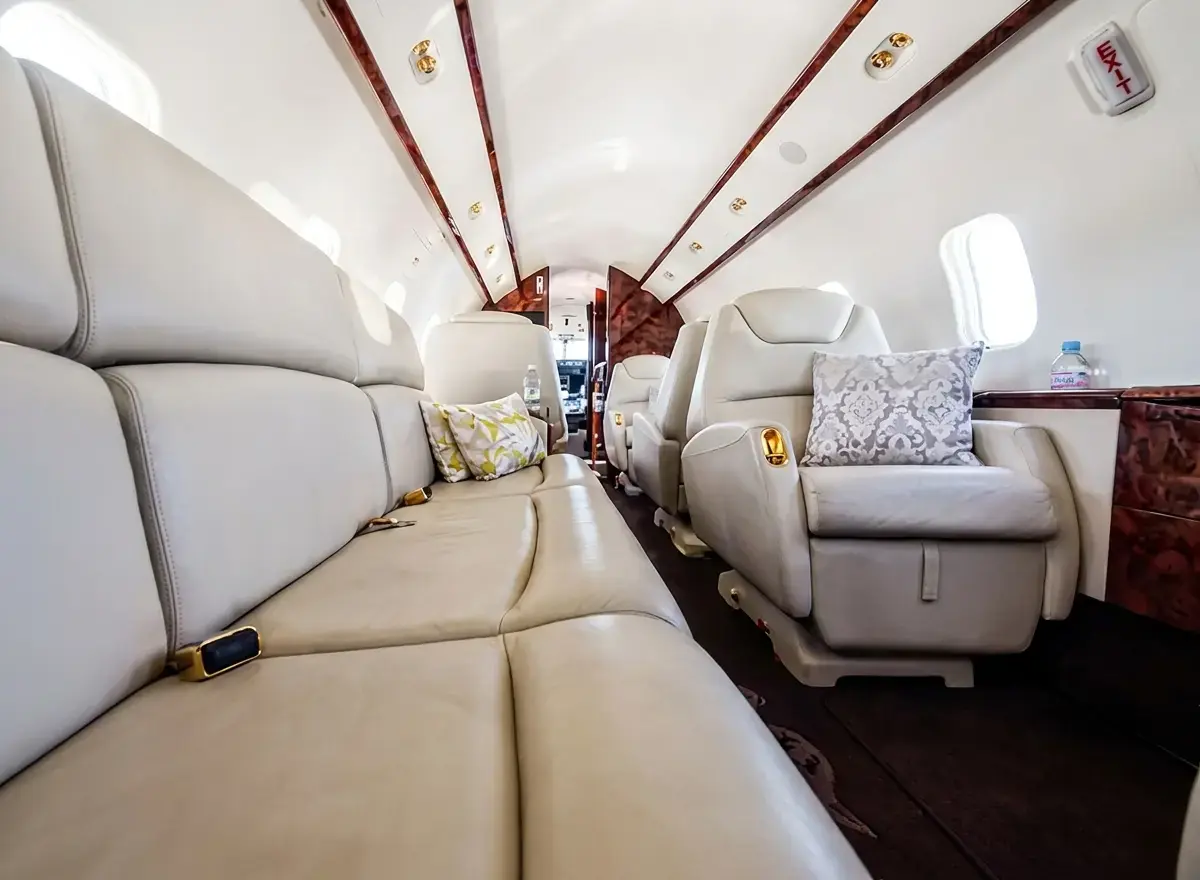
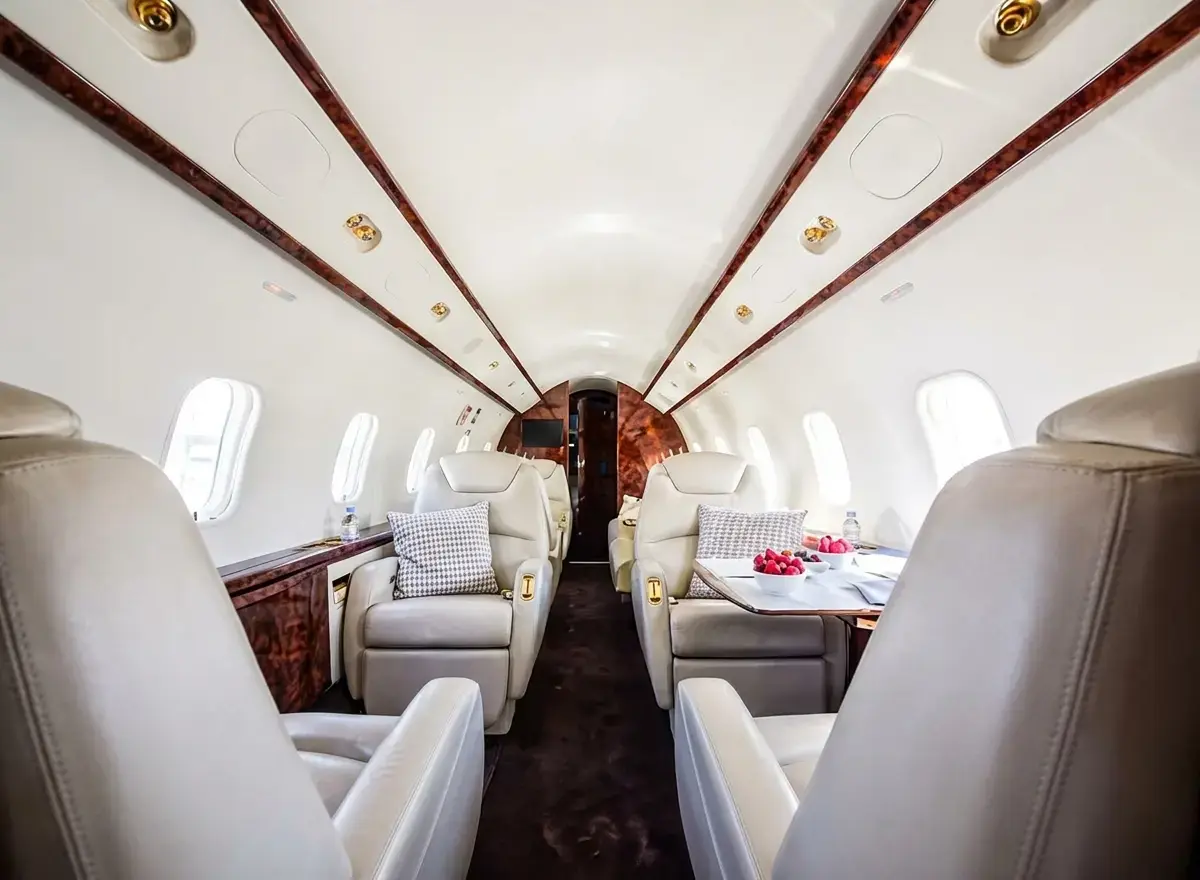
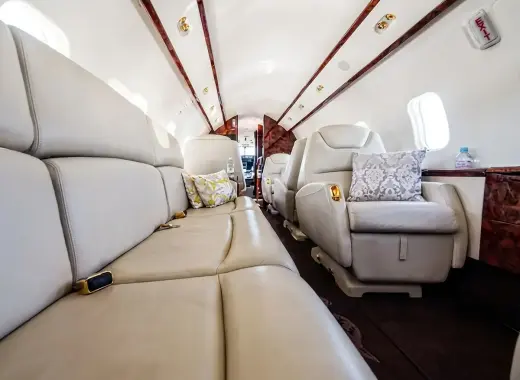
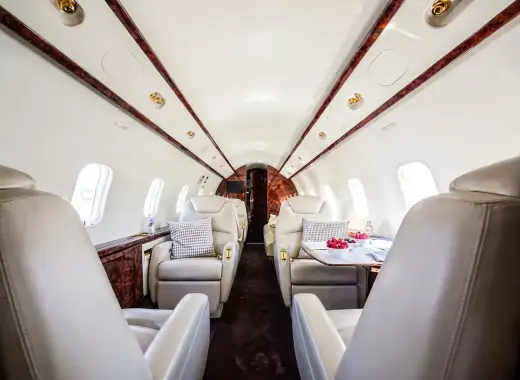
The interior is designed to maximize passenger comfort and productivity within a quiet, wide-oval space that sets a high bar for the category. It features a completely flat floor, providing a stand-up cabin height of 6 feet 1 inch and a width of 7 feet 2 inches — eliminating the cramped aisles found in smaller jets. The standard executive configuration comfortably seats eight to nine passengers, with luxury adjustable leather club seats that can recline into flat beds. Plus, a private rear lavatory gives direct access to a generous 106-cubic-foot pressurized baggage area during flight.
Advanced Cockpit with Rockwell Collins Pro Line 21 Avionics
The cockpit is meticulously crafted for optimal crew situational awareness, safety, and minimal fatigue during long flights. Pilots operate the jet using the highly automated Rockwell Collins Pro Line 21 avionics system, which displays essential navigation information across four large screens. This integrated flight deck includes dual flight management systems, automated weather radar, ground proximity warnings, and collision avoidance technology. These systems work together to ease pilot workload, ensuring precise navigation during challenging instrument approaches.
Conclusion
The Bombardier Challenger 300 series remains a remarkable achievement in corporate aviation, striking the perfect balance between spacious comfort and mid-size operational efficiency. By merging advanced aerodynamics with high-efficiency turbofans, Bombardier has created a versatile and robust executive travel solution. Its signature flat-floored cabin, remarkable short-field takeoff capabilities, and predictable maintenance make it an invaluable asset for corporate flight departments and charter services around the world.
FAQs
What’s the maximum range of the Bombardier Challenger 300?
This jet can achieve a maximum NBAA IFR range of about 3,100 to 3,220 nautical miles with four passengers and a standard crew. This transcontinental capacity allows for non-stop flights of up to six hours, easily connecting cities like New York and London or Los Angeles and Miami.
How does the Challenger 300 cabin compare to competitors?
The cabin’s defining features include a completely flat floor and a stand-up height of 6 feet 1 inch, along with a width of 7 feet 2 inches. This design provides significantly more room than similar models like the Cessna Citation X or Gulfstream G200.
What are the takeoff and landing distance requirements?
At maximum takeoff weight and under standard conditions, the Challenger 300 needs a relatively short takeoff length of about 4,810 feet. When landing at typical weights, it can safely stop within approximately 2,290 to 2,600 feet.
Can passengers access their luggage mid-flight?
Yes! The spacious 106-cubic-foot baggage compartment is fully accessible throughout the flight and conveniently located across from the enclosed rear lavatory, allowing travelers to easily retrieve their belongings while in the air.
What engines power the jet, and what’s their fuel efficiency?
The Challenger 300 is equipped with two rear-mounted Honeywell HTF7000 turbofans, producing 6,826 pounds of thrust each. They average a fuel burn of about 266 gallons per hour during long-range cruise, making it one of the most cost-effective super-midsize jets available.