






When it comes to the high-speed world of executive and regional logistics, it is important to evaluate flight efficiency and runway versatility. The Bombardier Learjet 35/35A series is a rugged and reliable workhorse that minimizes travel times for medium-haul regional distances. This twin-turbofan was originally developed as an evolutionary upgrade to earlier turbojet models. Cessna Citation Encore / Encore+
It is still highly praised for the sports car-like climbing ability and robust metal construction of its airframe. This legendary aircraft line is a great option for fleet owners who are looking for an aerial tool with a high level of speed.
Engineering Evolution of the Bombardier Learjet Base Model
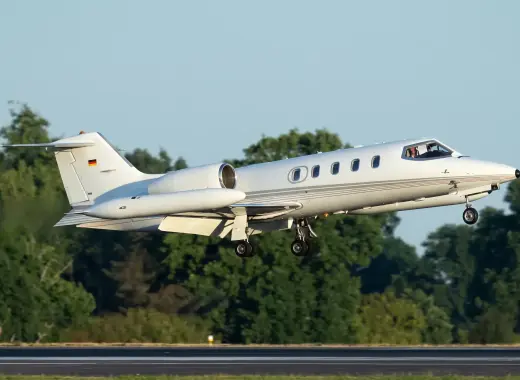
This twin-engined private jet's initial release marked a permanent turn in the history of business aviation by moving away from noisy, fuel-hungry turbojets to modern fan-driven engines. This corporate jet is built with a low-wing, aluminum airframe that's highly durable and designed to increase structural strength.
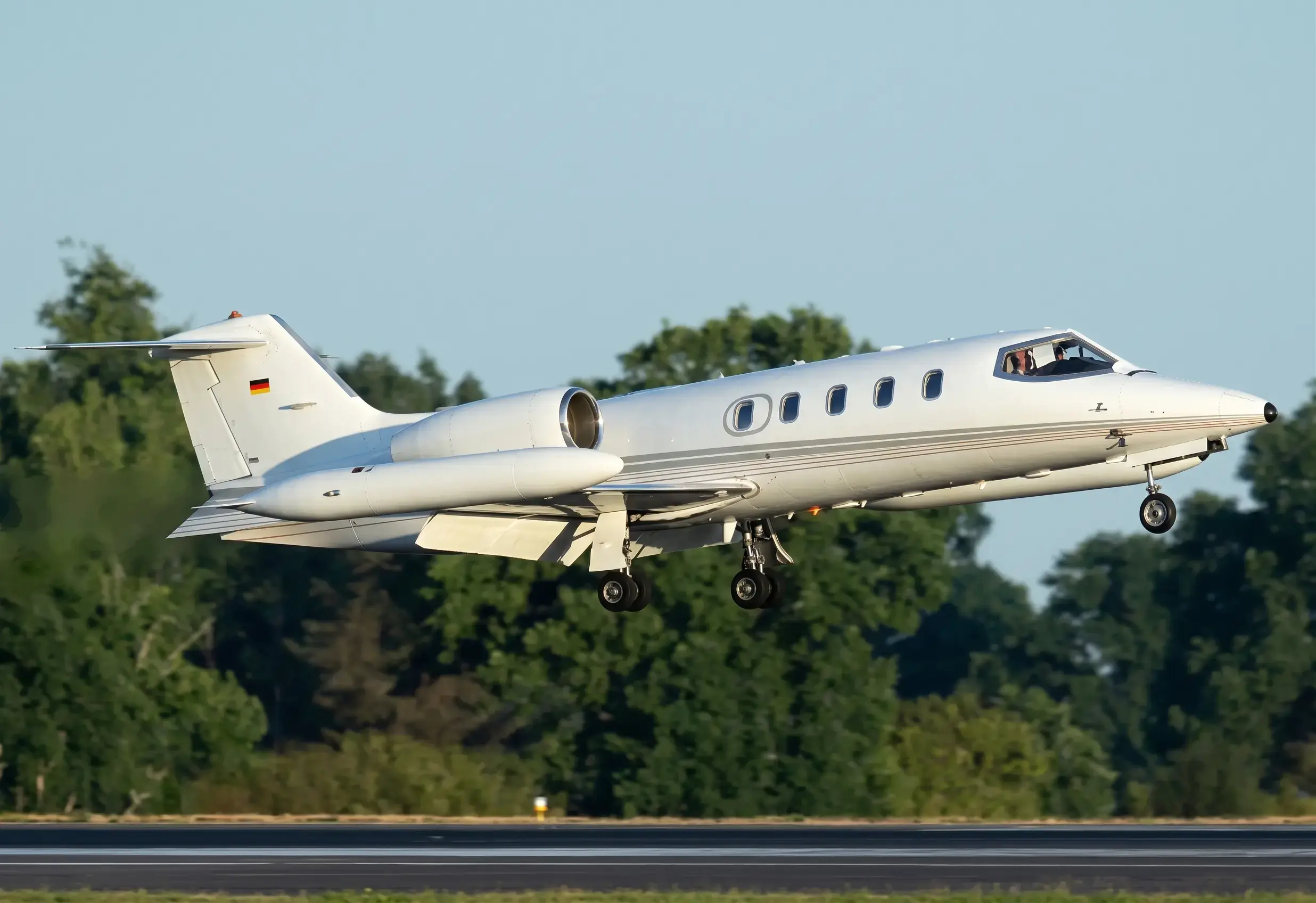
It also has a stretched fuselage design, which increases weight capacity over previous generations. Two Garrett TFE731-2 Turbofan engines, mounted to the fuselage aft and delivering 2550 pounds of thrust each side, are used in the base model. The structural framework was praised for its stability at high altitudes and predictability, which is similar to that of heavy equipment.
This baseline platform showed that a compact executive aircraft could deliver transcontinental flight capability without requiring complex and cost-prohibitive maintenance routines.
Bombardier Learjet 35A: Milestones in Performance and Engine Thrust
The manufacturer responded to corporate flight departments' requests for greater operational range, and improved hot-and high airfield efficiency by launching a heavily-modernized variant. This model quickly became the most popular in the line. The upgraded generation is powered by Honeywell TFE731-2-2B Turbofan Engines that generate 3550 pounds of thrust per side and consume a competitive 179 gallons per hour.
It can reach its maximum flight ceiling of 45000 feet in record time. The new high-speed cruise speed of 451 knots allows operators to finish long regional business trips faster than their competitors.
Structural aerodynamics and unique wingtip fuel tanks
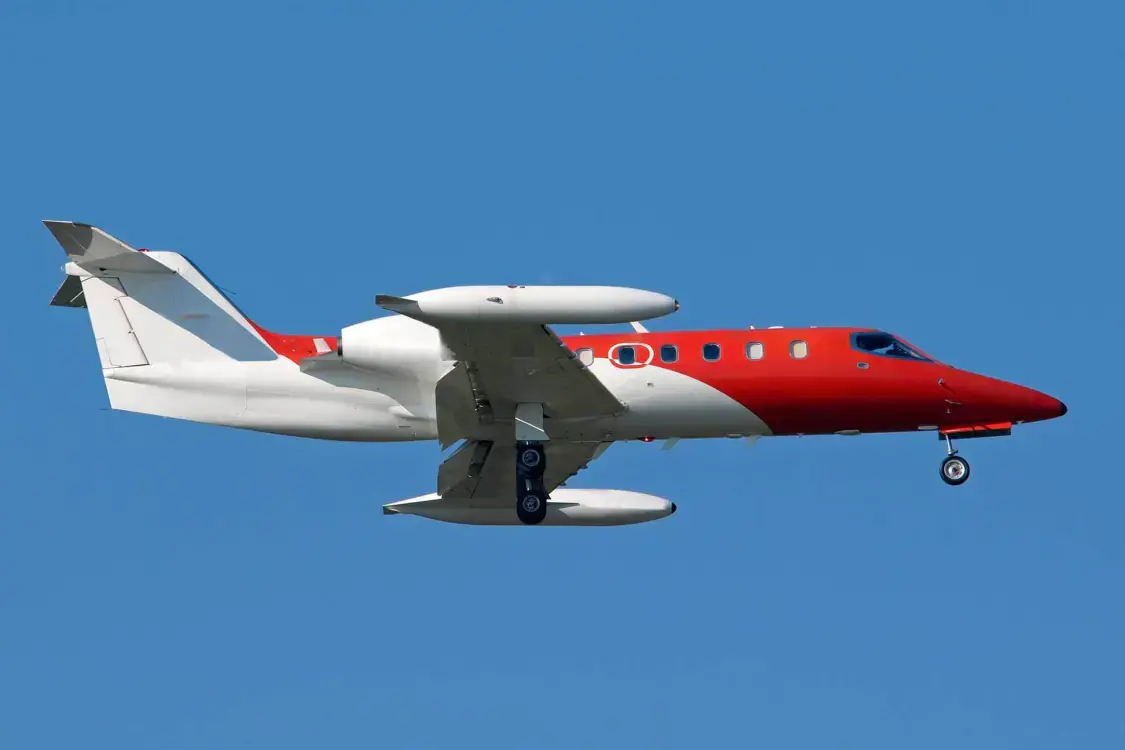
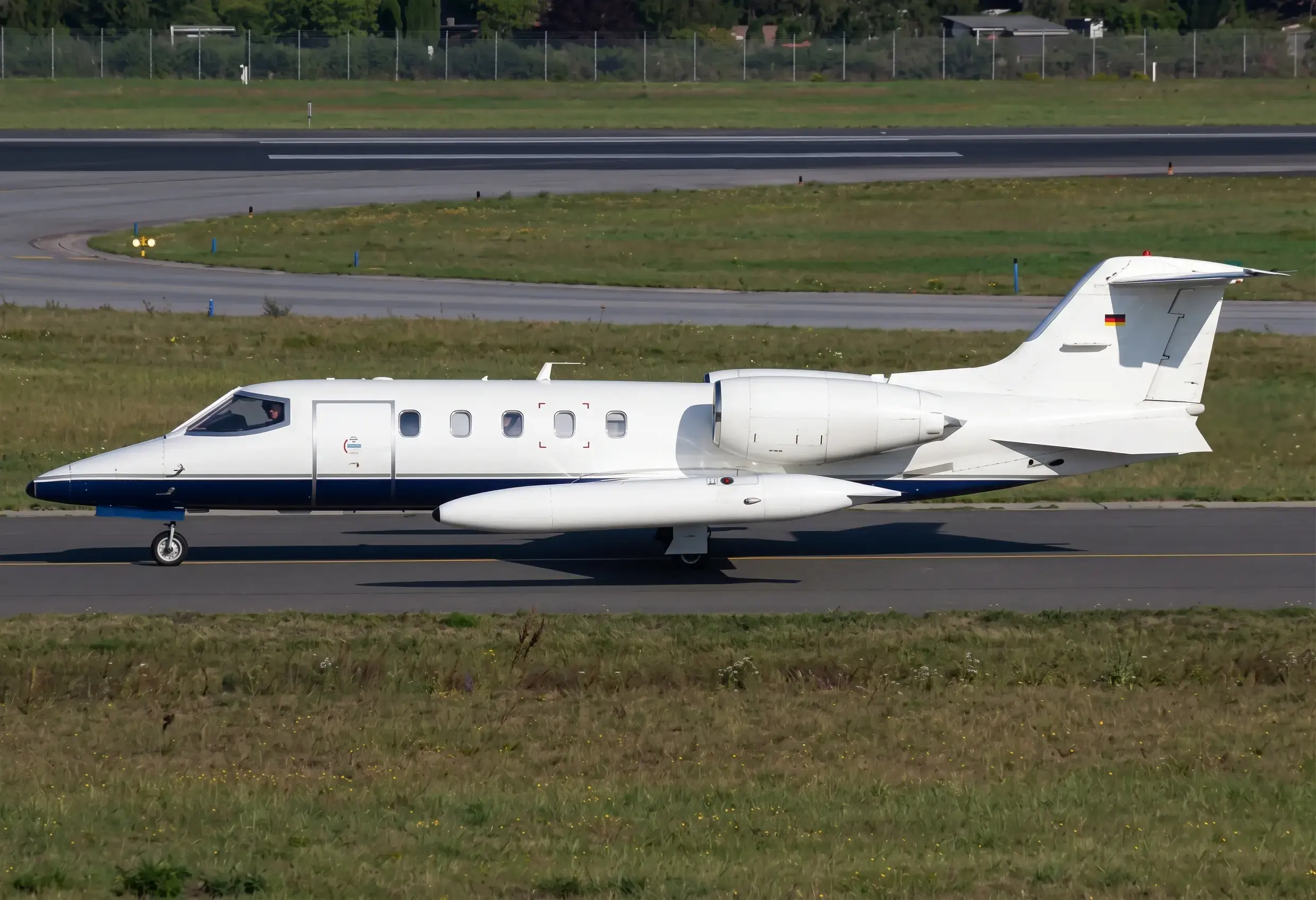
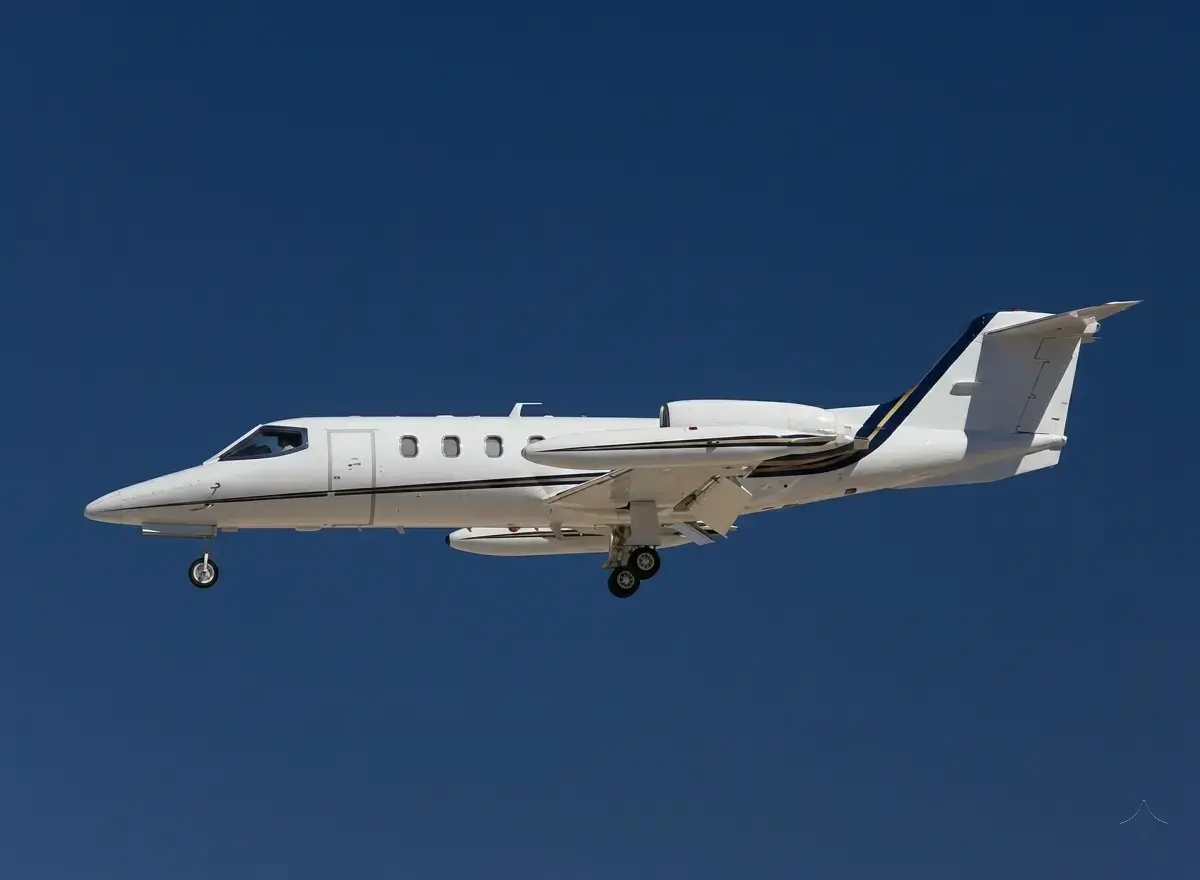
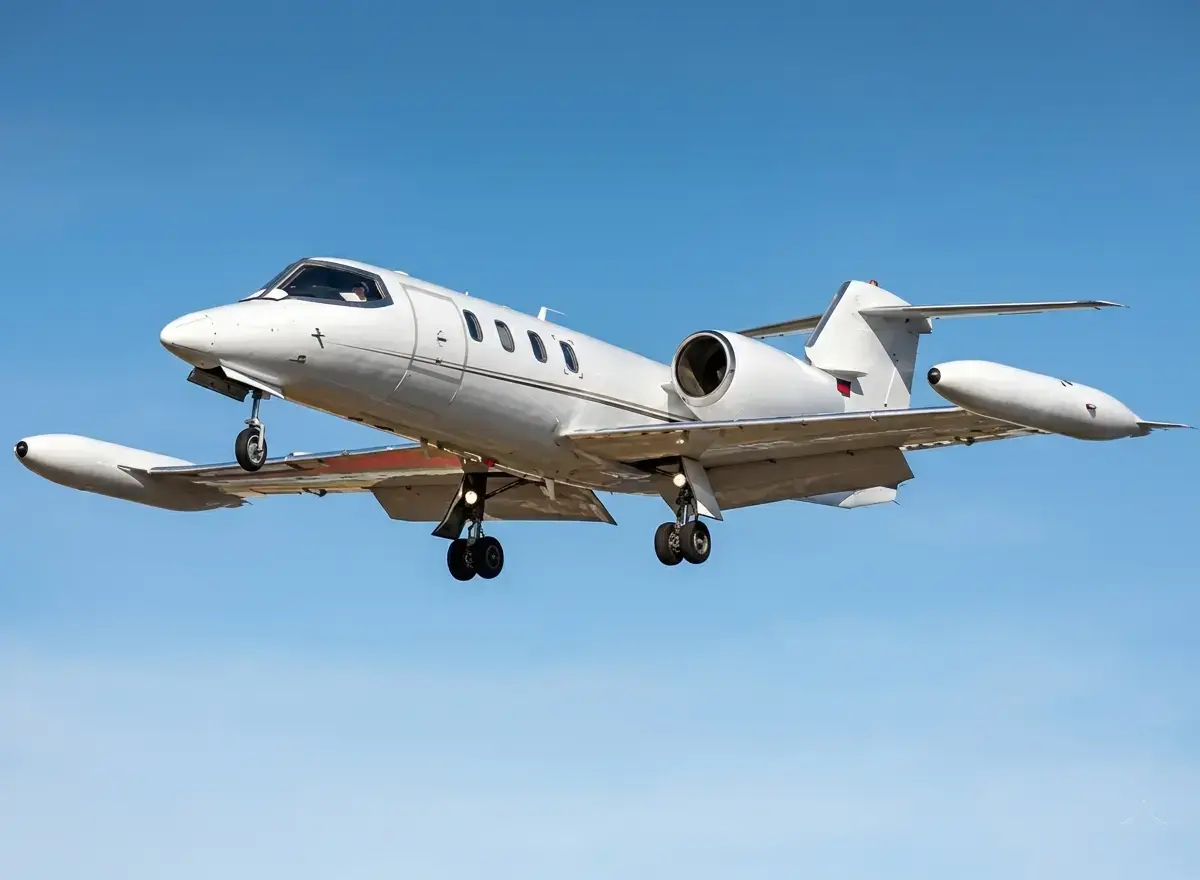
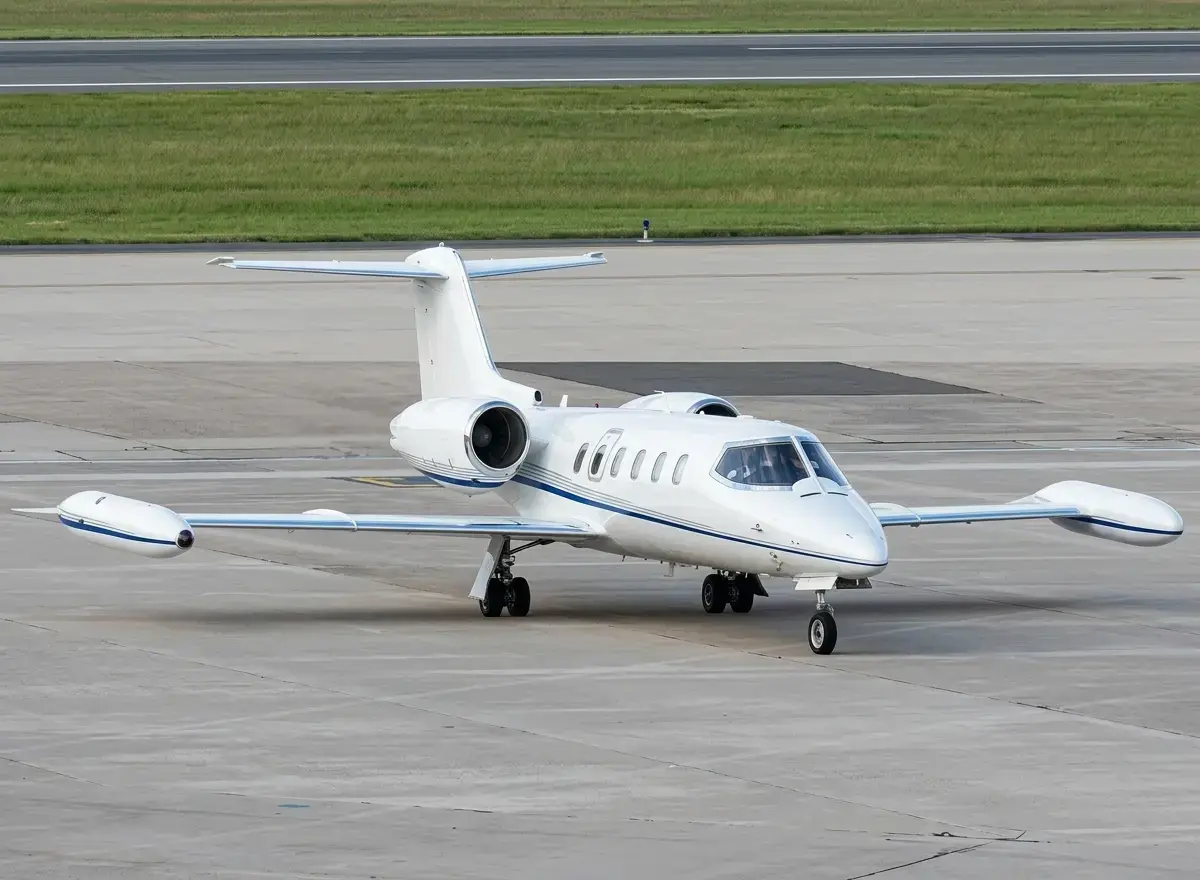
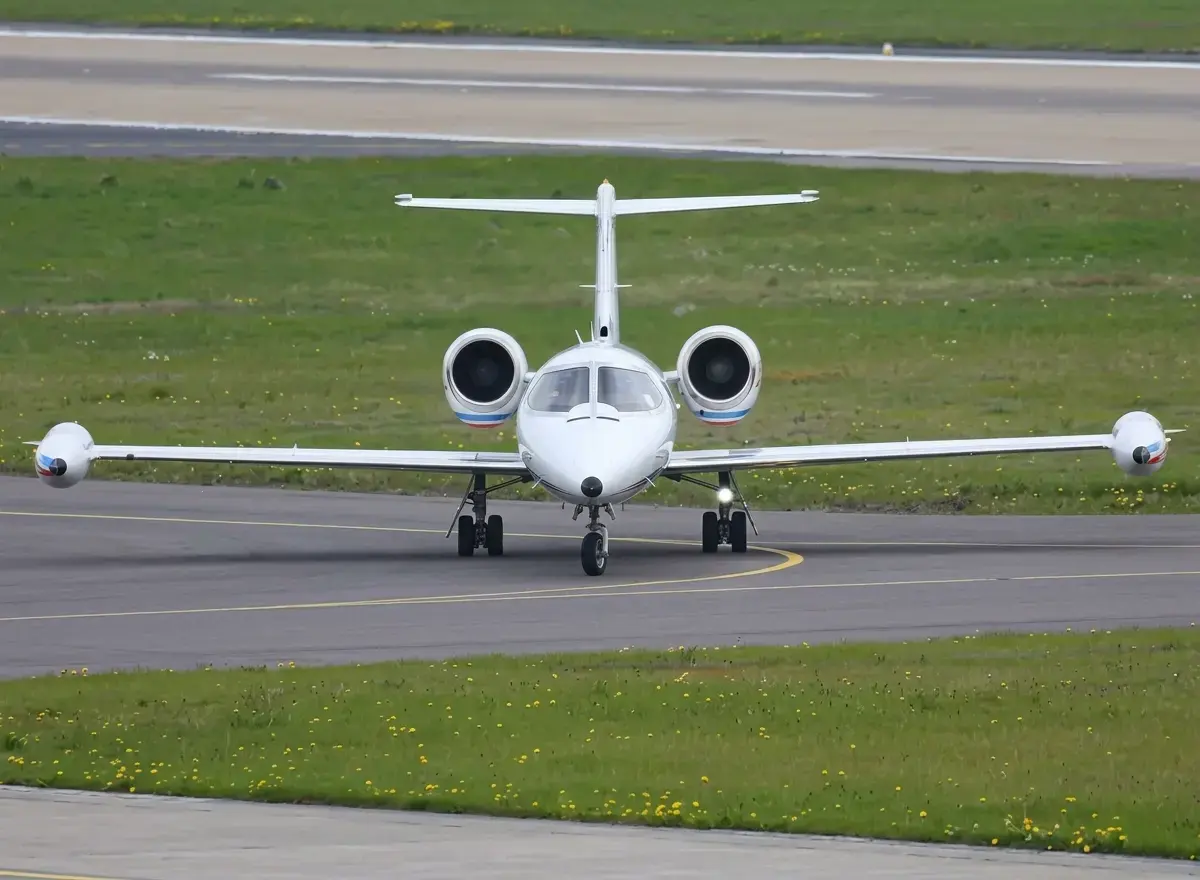
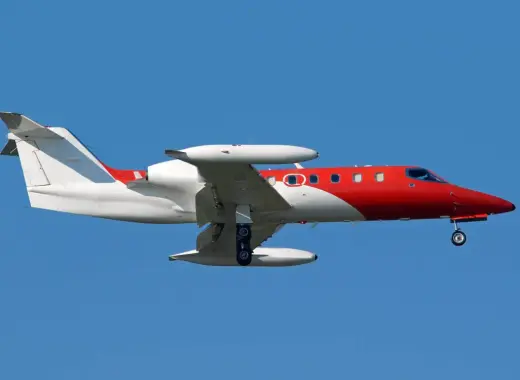
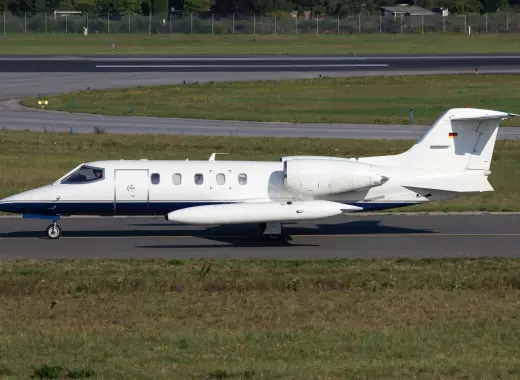
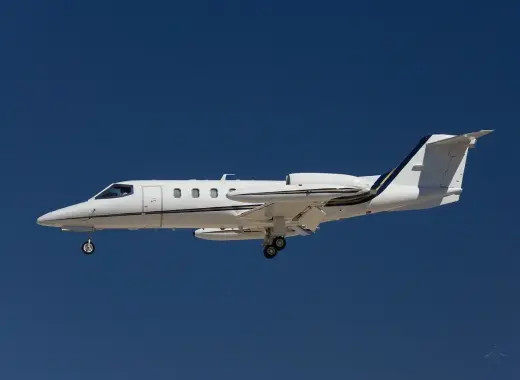
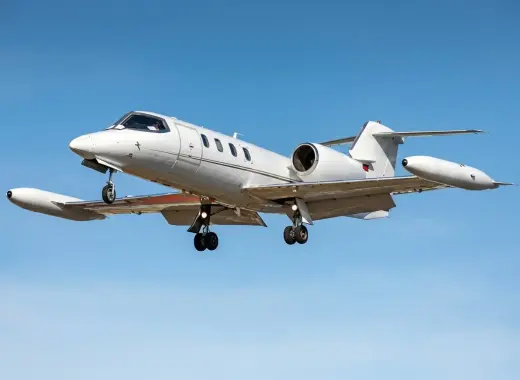
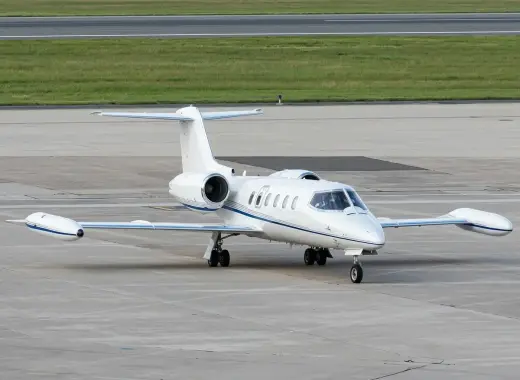
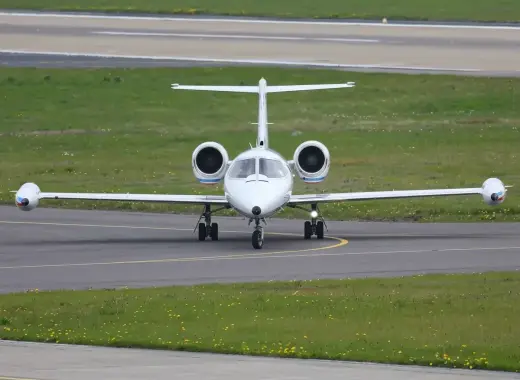
Its highly specialized straight-wing design is a recognizable feature, as are the permanent fuel pods attached to the wingtips. They act as aerodynamic endplates, reducing the wingtip vortex during long-range cruises. This choice of engineering stabilizes the aircraft, allowing passengers a low-fatigue, smooth flight experience while navigating through regional weather fronts.
Refueling can also be done at ground level, directly through the wingtip tanks. This greatly simplifies and speeds turnaround operations on smaller, remote airstrips. The aerodynamic design generates incredible lift at low speeds, allowing the jet to safely operate from regional runways as short as five thousand feet.
Take a look at the compact and productive executive cabin layout
The cabin measures nearly 13 feet in length and can accommodate up to eight passengers. It is equipped with plush leather executive chairs that are able to rotate and recline for personalized passenger relaxation. The cabin is nearly 13 feet long and can accommodate up to 8 passengers.
It features plush leather executive seats that can be rotated and reclined for individualized passenger comfort. This compact interior is equipped with 40 cubic feet of luggage storage, which can be accessed in flight under certain conditions. It also includes side ledges and a mini bar station.
Final Words
The Bombardier Learjet 35/35A aircraft family is a classic example of aviation engineering at its best. It has a global reputation that cannot be shaken for its structural durability, speed and airfield flexibility. These private jets offer a high-value proposition to modern commercial fleets by combining a short-field access runway with extending transcontinental flight distance.
These low-maintenance, highly reliable aircraft provide fast-moving businesses with an aerial asset that maximizes employee transit time while maintaining a peaceful and productive environment in clouds. This legendary corporate jet line remains a standard for business entities that require robust metal construction and high-altitude climbing capabilities.
FAQs
What is the main difference between the base version and the upgraded variants?
The upgraded version introduces computer-refined, advanced turbofan engines, which deliver more takeoff thrust and a greater maximum takeoff capacity. It also has a longer operational flight range, of over 24 hundred nautical miles.
How many passengers can this corporate jet comfortably accommodate?
The executive cabin is designed for six to eight passengers in a luxurious club seating arrangement. Seats can be swiveled and reclined, along with built-in side shelves that serve as workspaces.
Why is the private jet series a great asset for regional airports with shorter runways?
The aircraft's aerodynamic straight-wing design and turbofan propulsion provide exceptional low-speed lift. This allows the aircraft to take off safely and land on regional runways of up to five thousand feet.
What is the unique purpose of the wingtip tank on this aircraft?
Permanent wingtip fuel tanks can be used to increase flight range and reduce drag. They also act as aerodynamic endplates during high-altitude cruises.
What is the exact interior dimension of the passenger cabin on this aircraft?
The cabin is compact and highly productive. It measures 12 feet 9 inches long, 4 feet 9 inches wide, and 4 feet 3 inches high.