






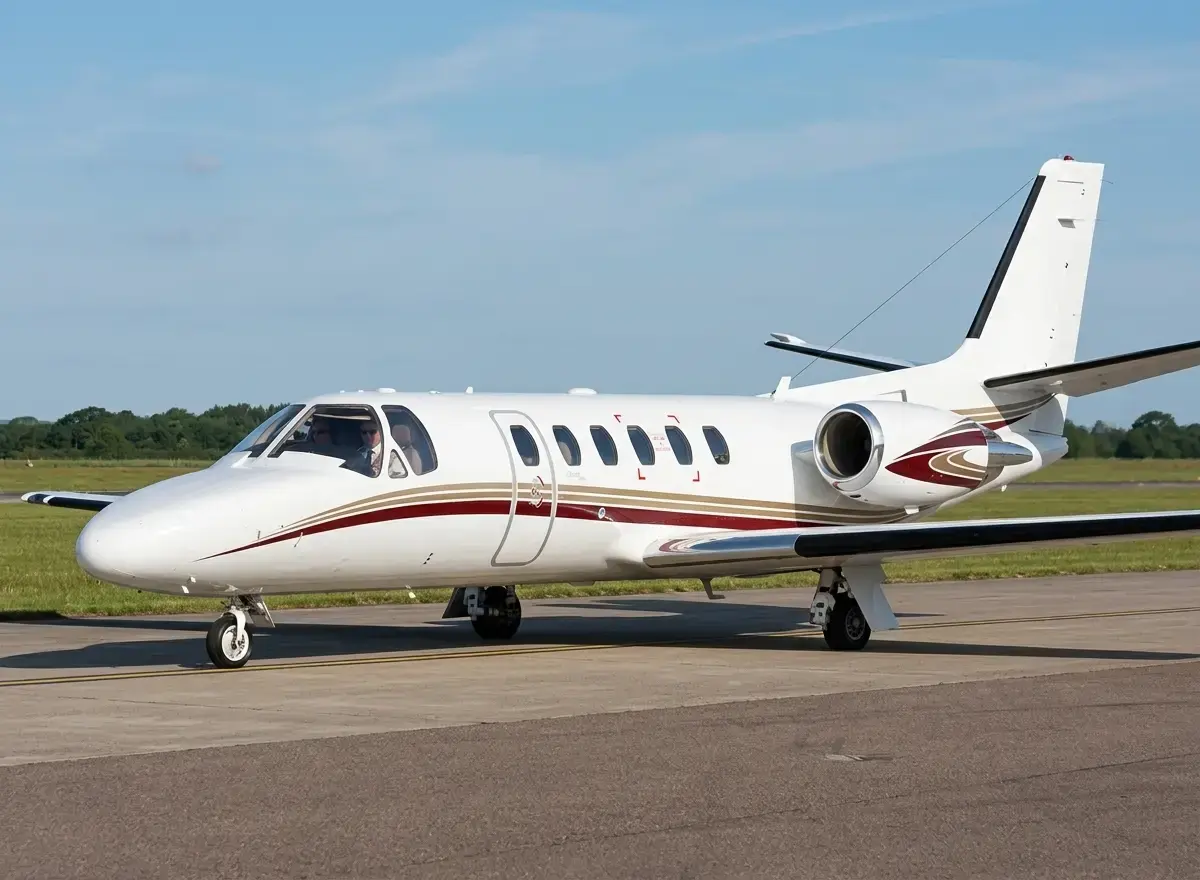
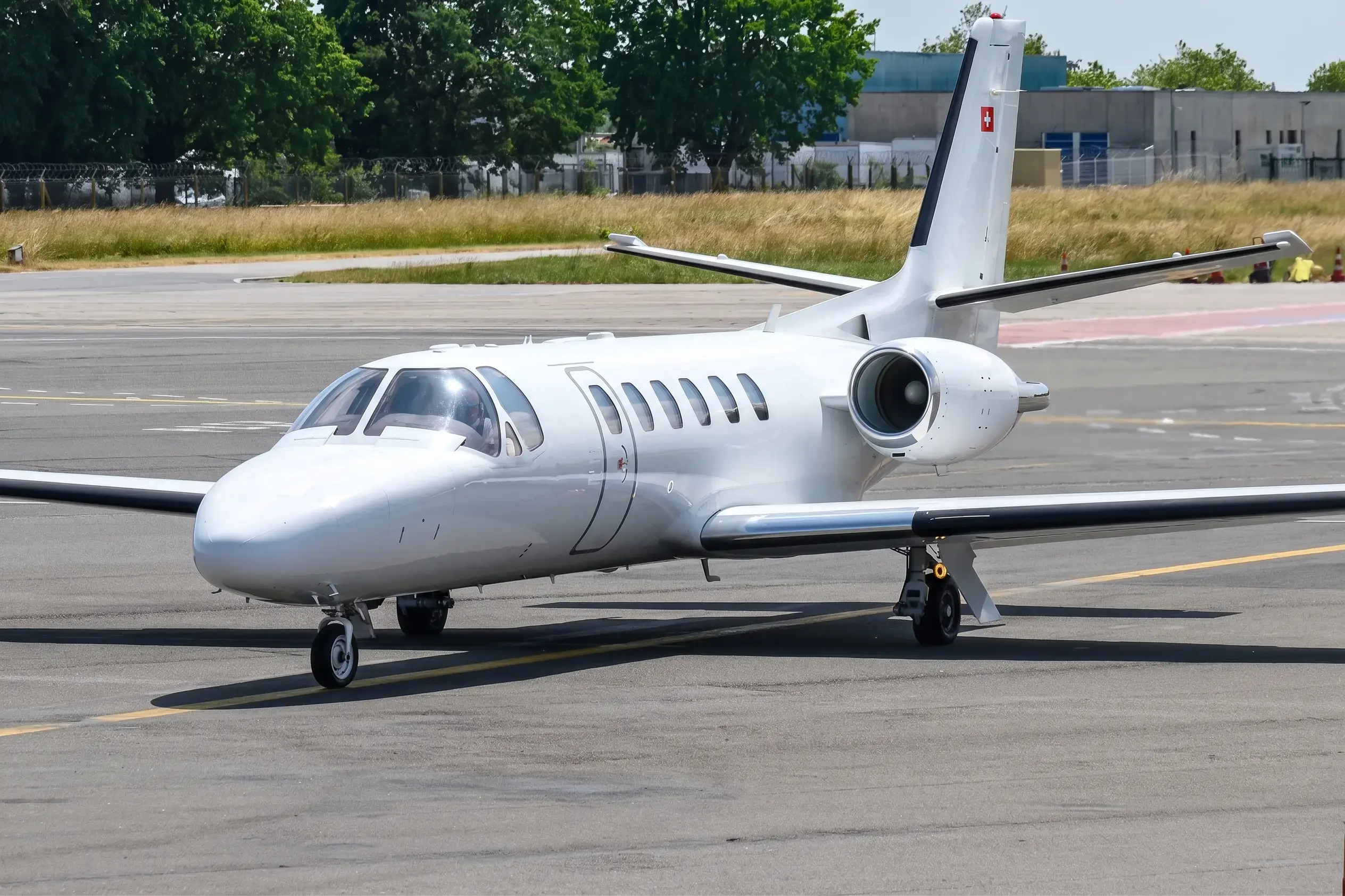
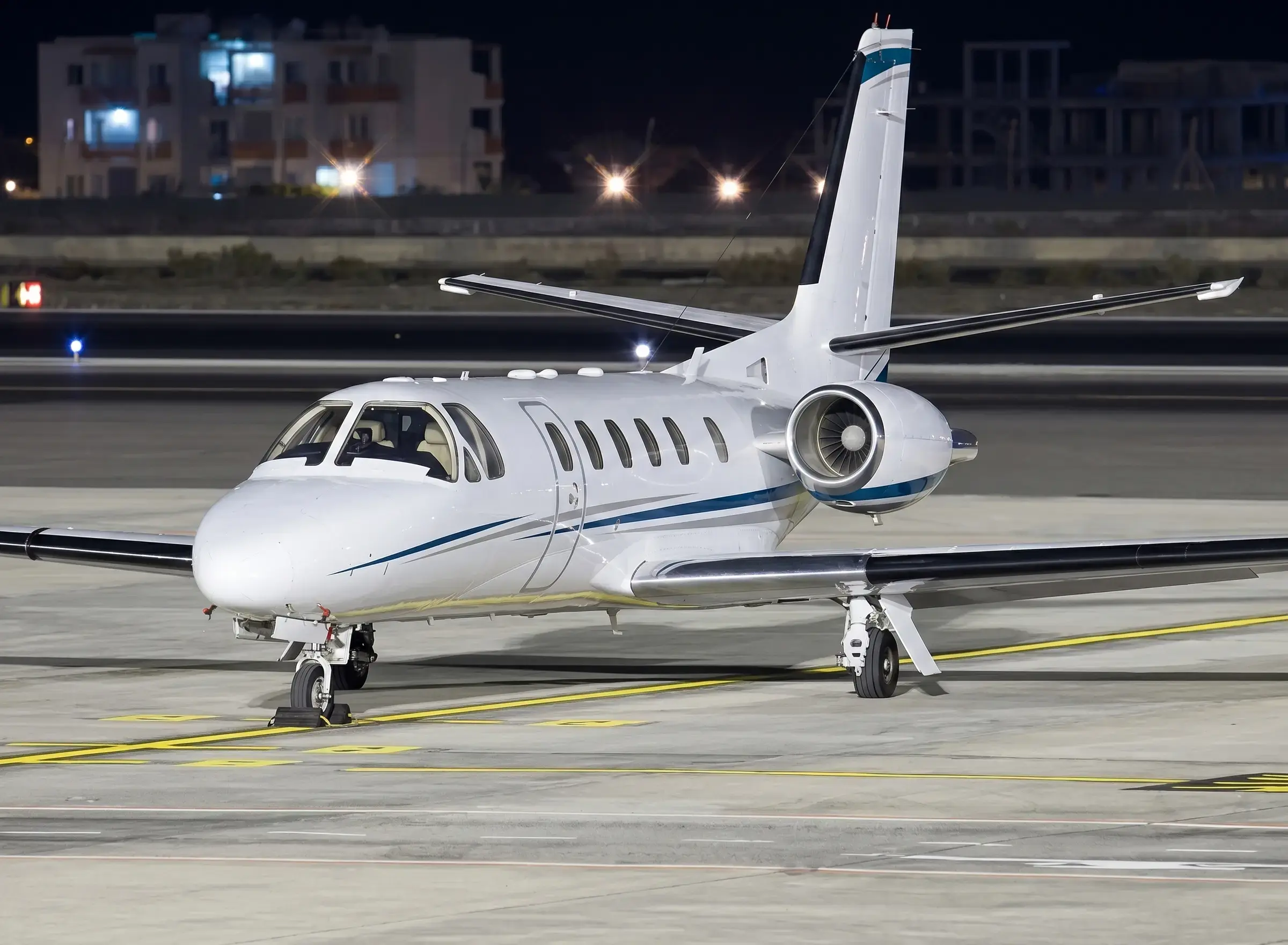
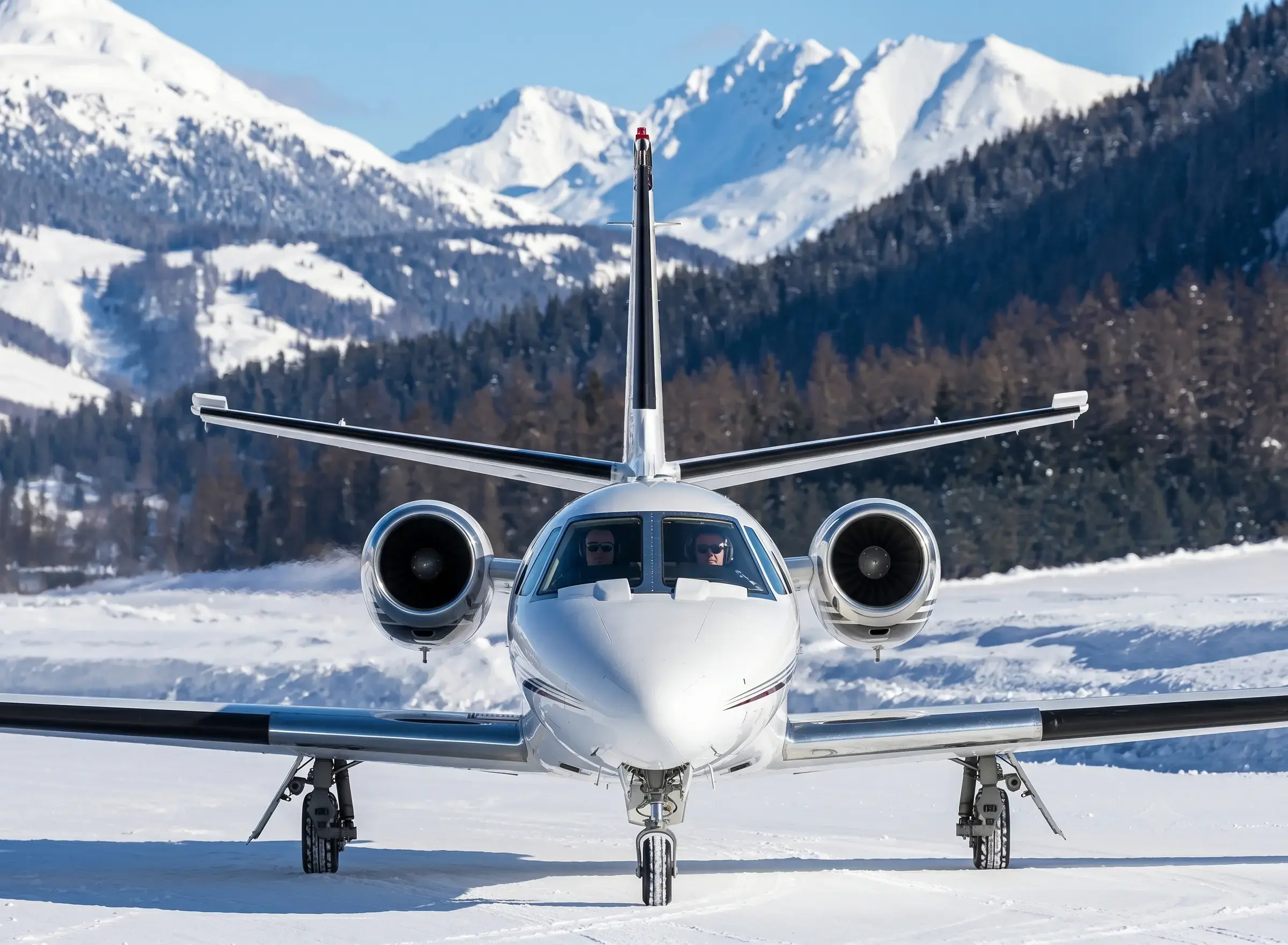
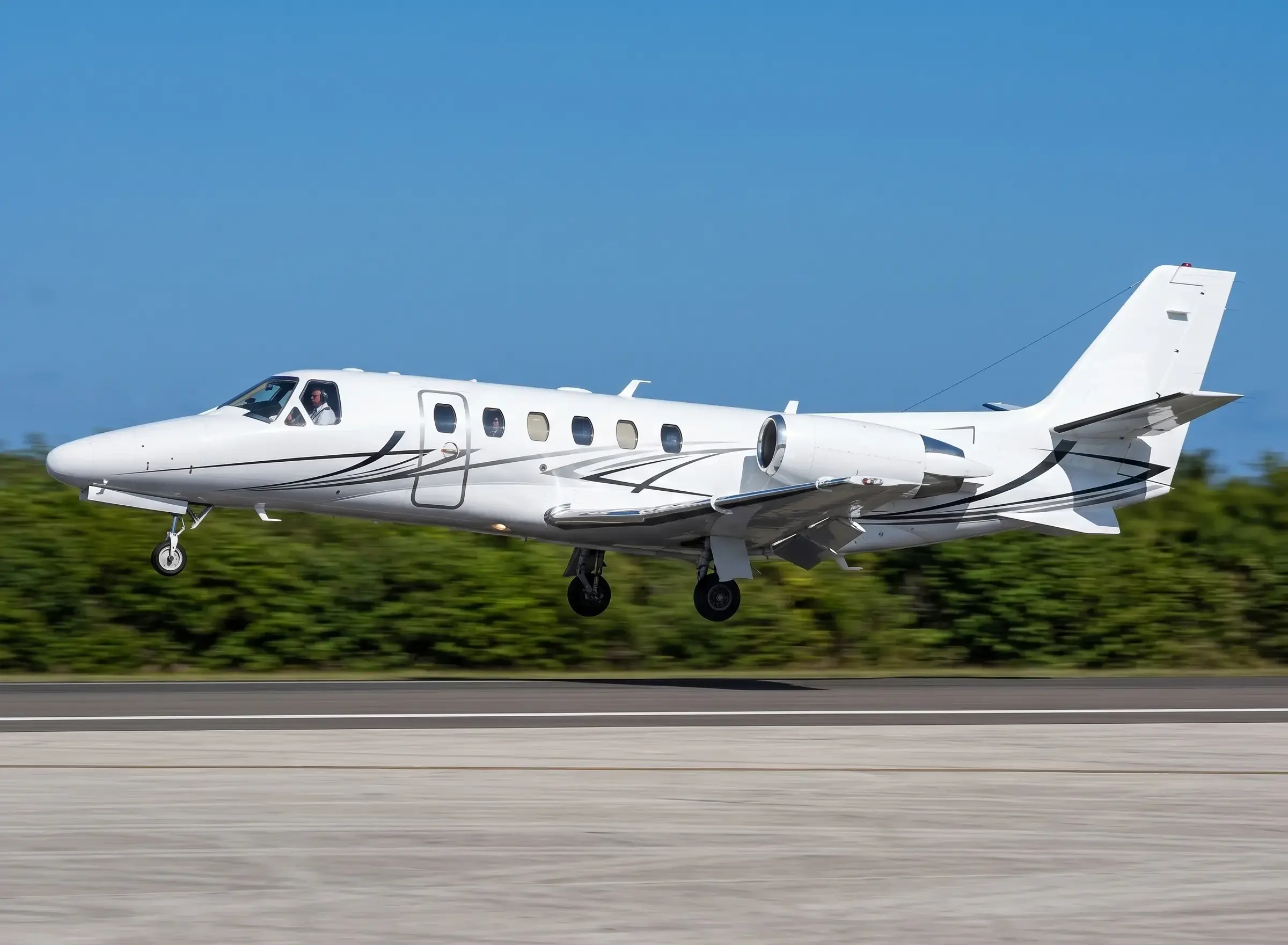

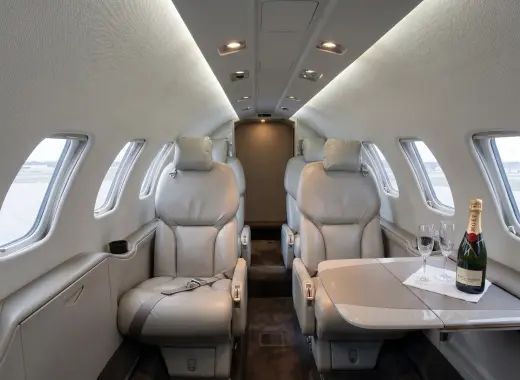
Few aircraft families in corporate aviation have made as much of a lasting impression as the legendary Cessna Light Jet lineup. Private corporate fleets need high-performing assets with low operating overhead and reliable multi-city transportation capability. Cessna's C550 Citation II/IISP/SII/Bravo Series is a versatile and successful workhorse that can be used for regional business travel.
The Cessna C550 Citation II and its impact on corporate fleets
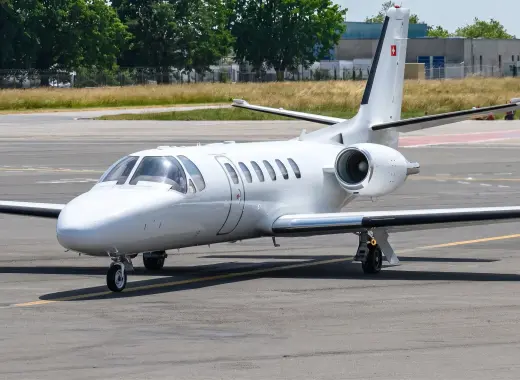
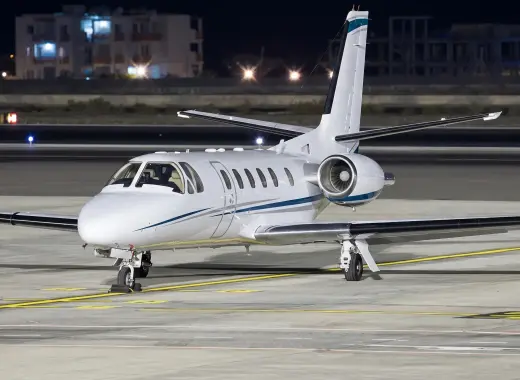
This variant's straight-wing design gives it incredibly low-speed handling and allows for safe landings on shorter regional runways. Beechcraft Premier I/ I A
Evaluation of Single Pilot Flexibility within the Core Design Variations
The unique single-pilot variant was developed under distinct certification rules, allowing an owner-operator or single captain to pilot the jet without a copilot, legally, provided they completed specialized training. Single-pilot variants were developed according to distinct certification rules. They allow an owner-operator, or a single captain, to legally fly the jet without a second pilot, as long as they have completed specialized training.
Swept Wing Super Variant Introduces Advanced Engineering Changes
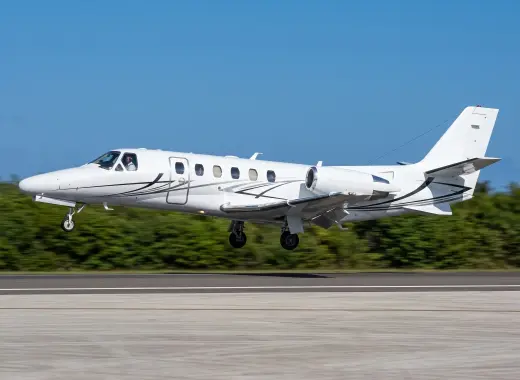
In the mid-eighties, the aircraft family went through a major technological evolution to break the 400-knot barrier without compromising on fuel consumption. In the mid-eighties, an upgrade was made to the aircraft family that included a supercritical wing with swept roots and computer-refined wing aerodynamics.
This model also replaced the old rubber deicing boots with a fluid deicing system. The result was a significant reduction in drag at the leading edge of the wings. The combined effects of these changes increased the maximum cruise speed from a rapid four hundred three knots to nearly two thousand miles non-stop.
Bravo Generation features modern cockpit systems and power upgrades
This legendary light jet family reached its absolute peak with the introduction of a new generation, which replaced older analog systems with digital ones. The final version is powered by two Pratt and Whitney PW530A Turbofan engines that deliver 15% more takeoff power and 23% more power at high altitude, while using less fuel.
This system also features an integrated glass panel avionics, which maps navigation, terrain and radar on clear digital flight displays. This generation also benefits passengers, who will enjoy a quieter cabin due to improved acoustic isolation, as well as smoother landings and taxiing thanks to a completely redesigned landing gear assembly.
Summary
Cessna C550 Citation is a family of aircraft that has evolved over the years to meet corporate travel requirements. These Jet Transport jets are a true example of operational reliability, from the rugged simplicity and efficiency of the original airframes to the digital cockpits with highly polished screens and efficient engines in the last generation.
These aircraft provide business owners and regional logistic teams with a reliable aerial asset which minimizes runway requirements while maximising interior comfort. This is a smart and economical choice for corporate flight departments that value flexibility and low-stress short-field performance.
FAQs
What is the main operational difference between the standard version and the single-pilot variant?
The single-pilot model is certified to structural weight limits, allowing a qualified pilot to operate the jet with no co-pilot. This reduces direct flight crew costs for regional business trips.
How many passengers are able to ride in a typical layout of a cabin?
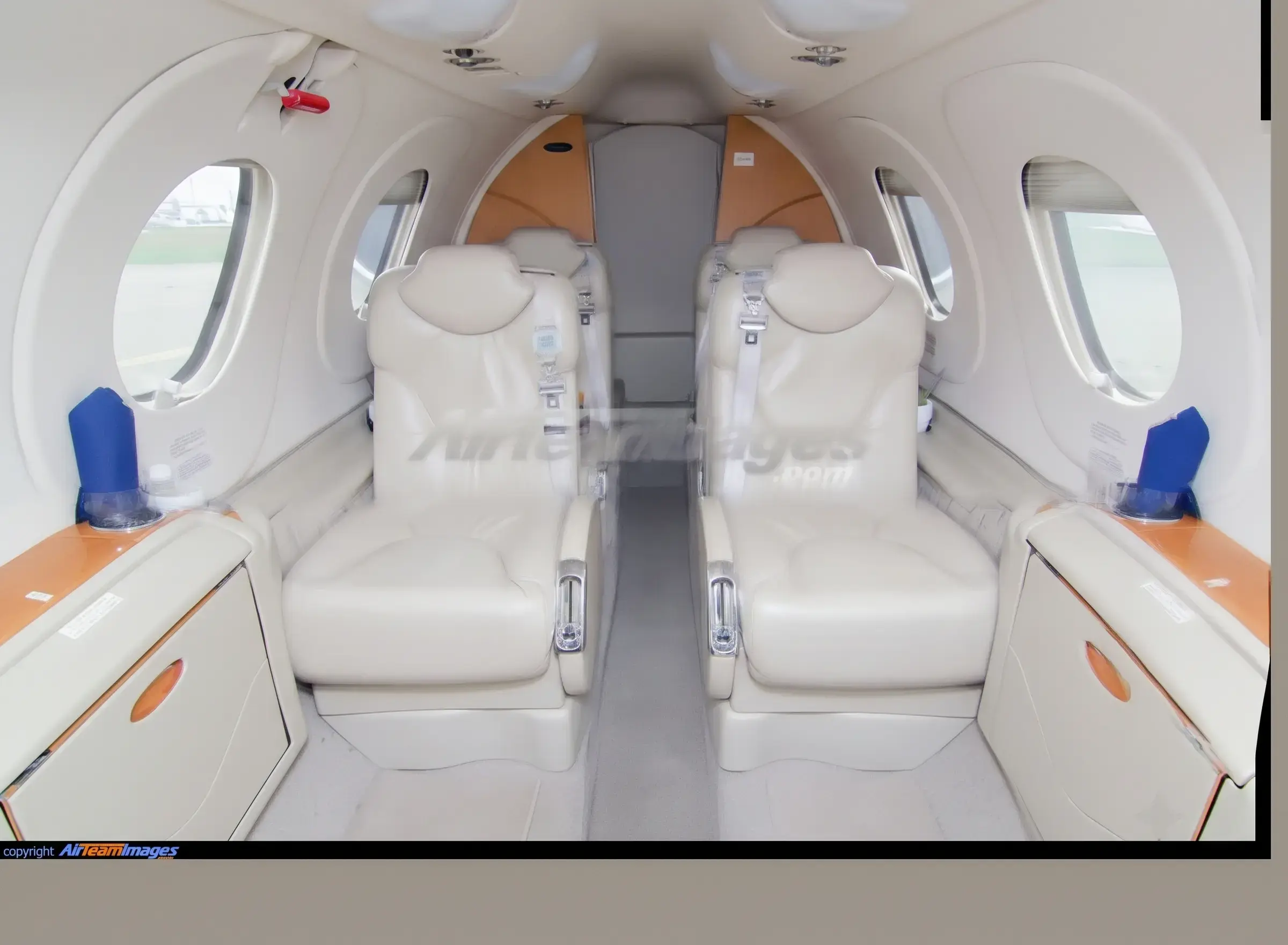
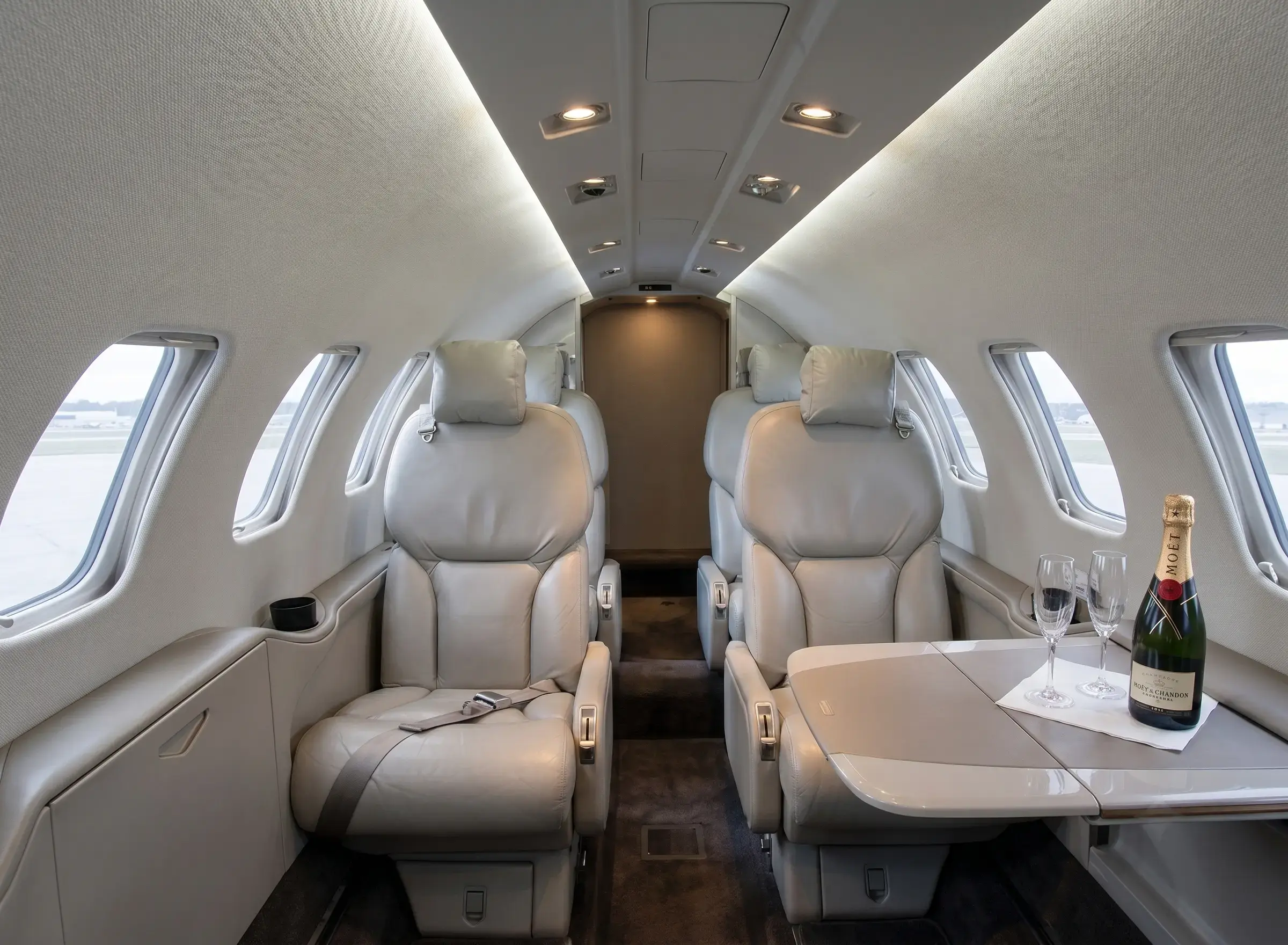
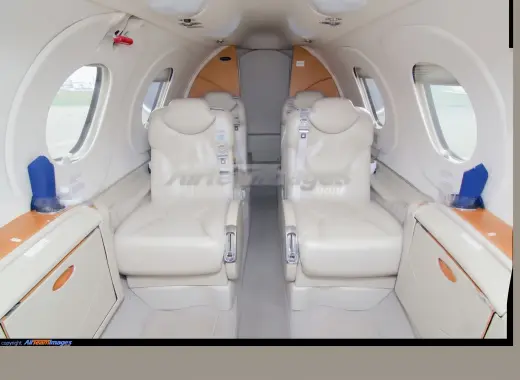
The majority of configurations can comfortably seat seven to eight passengers on plush leather executive seats. There is also a private enclosed lavatory located at the back and a small refreshment galley close to the main boarding gate.
Why is the performance of this jet family on short runways so highly praised?
Straight-wing aerodynamics creates a lot of lift, even at low airspeeds. This allows the aircraft to land and takeoff safely on smaller regional runways, which are inaccessible for larger private jets with swept wings.
What technological advancements has the upgraded variant brought to the aircraft family?
This variant featured a supercritical wing with swept roots that minimized drag. It also had upgraded engines, which allowed it to cruise at speeds above 400 knots for the very first time.
What improvements did you notice in the passenger and pilot experience with the last generation?
The final generation has been upgraded with highly efficient engines to increase range and avionics integrated into a glass panel cockpit for easier pilot operation. It also features an improved trailing link landing gear that allows for smoother landings.