






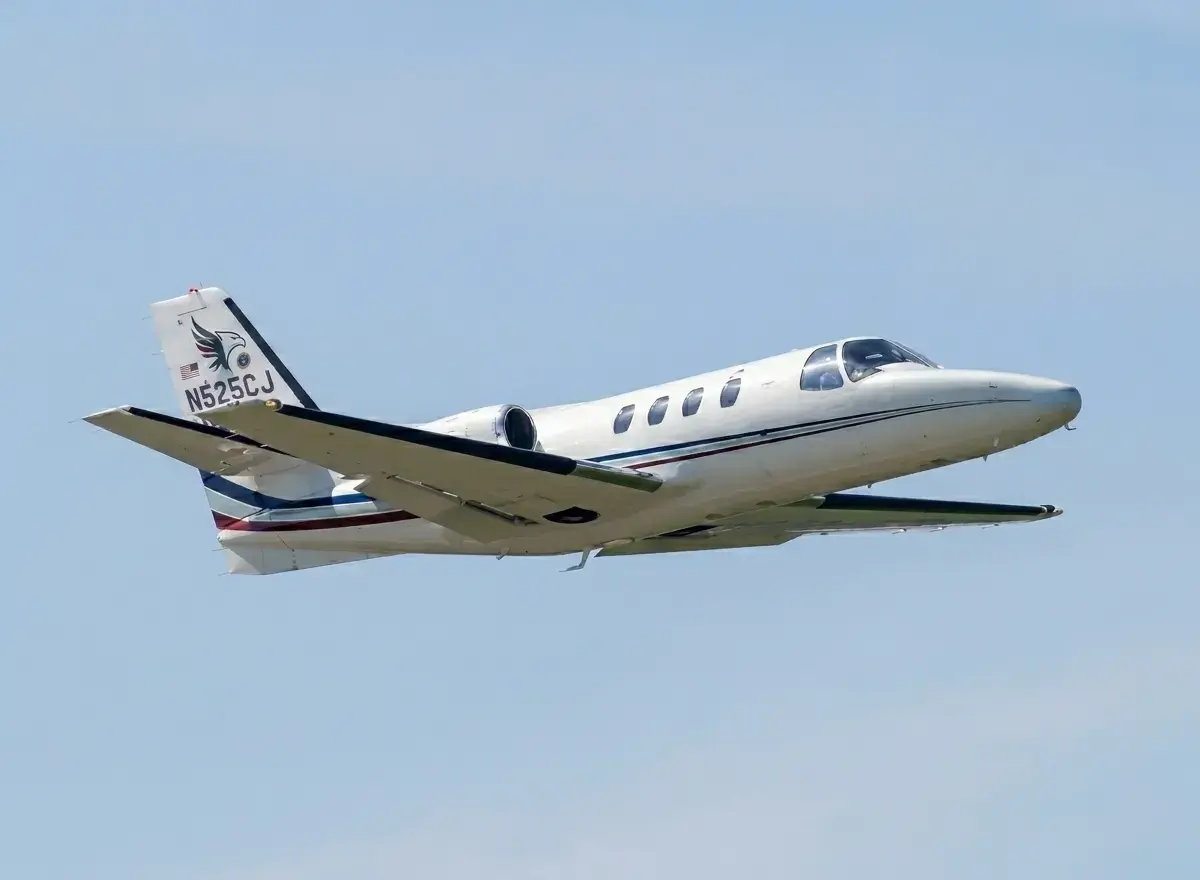
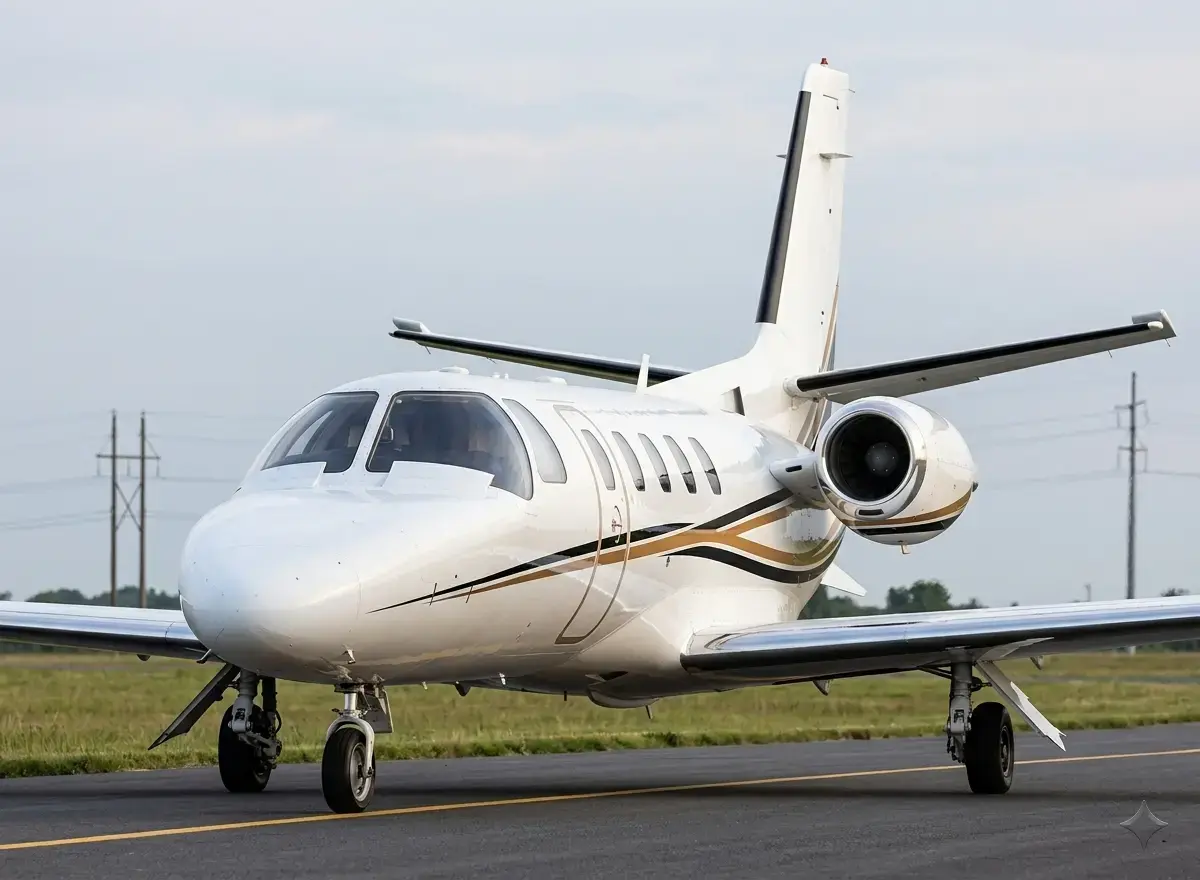
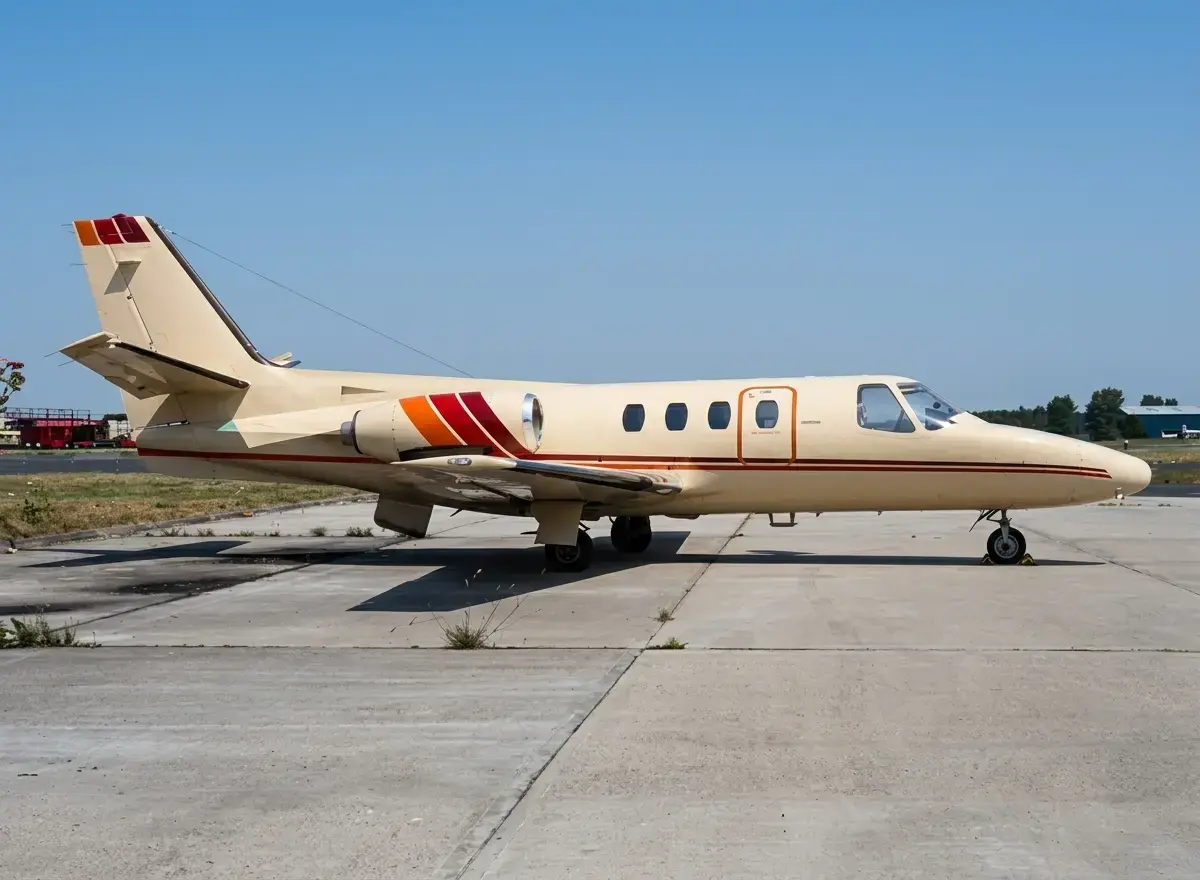
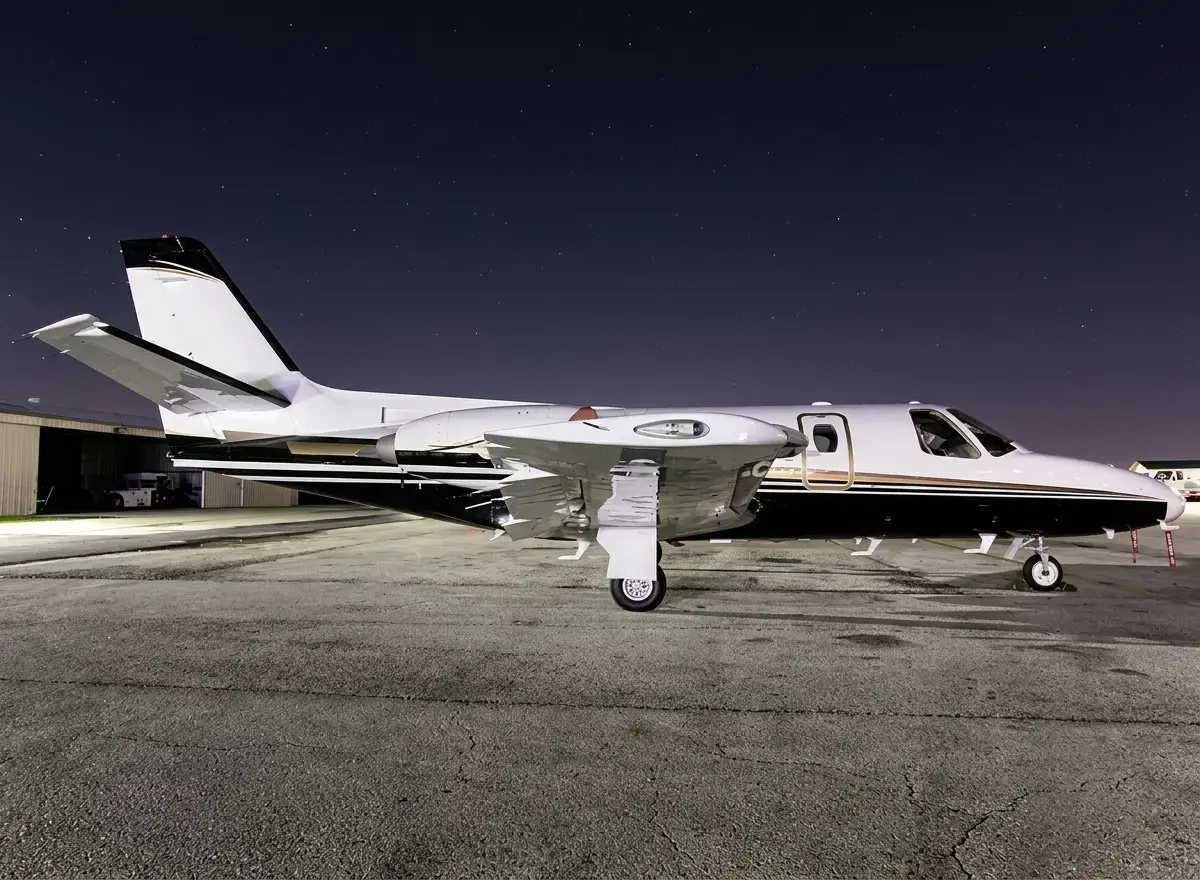
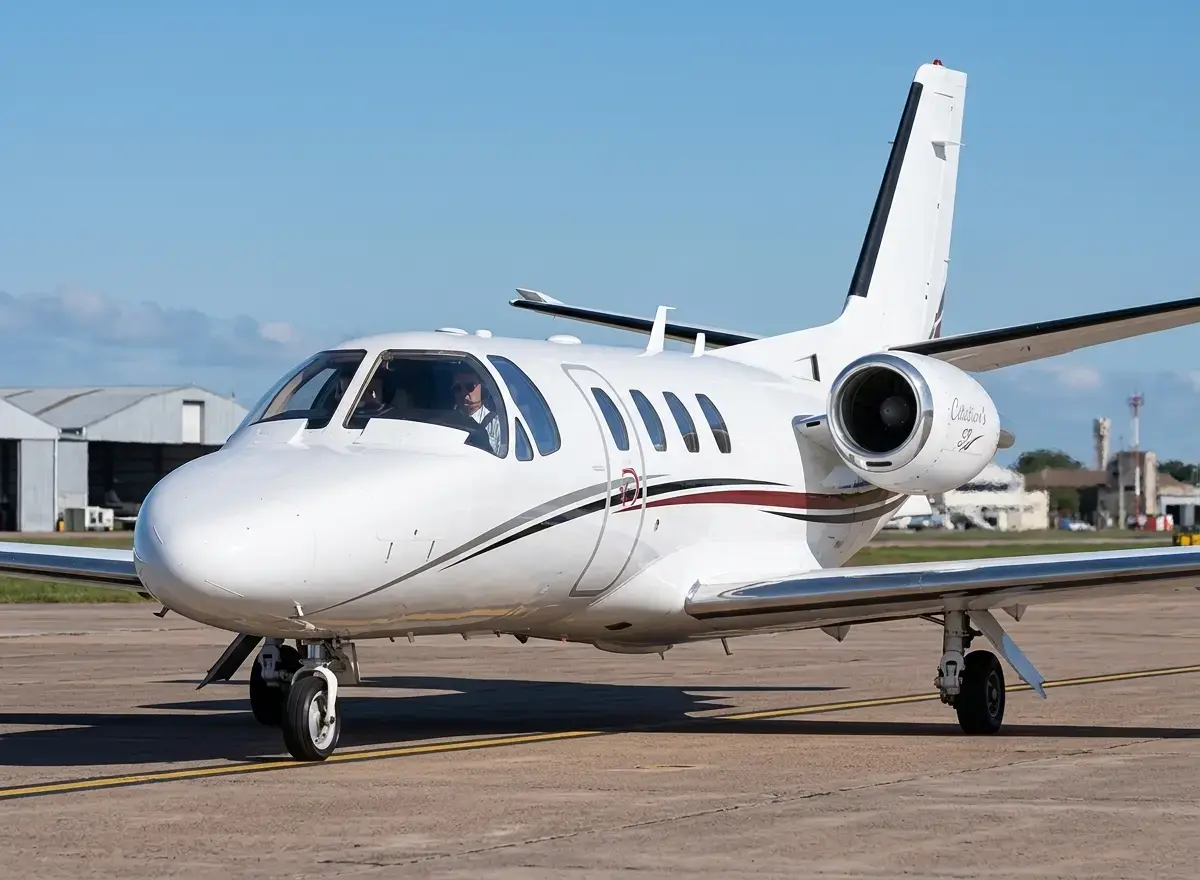
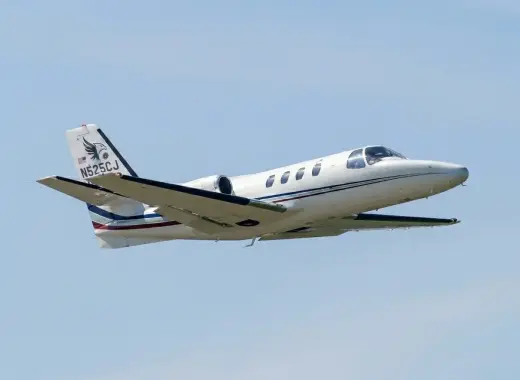
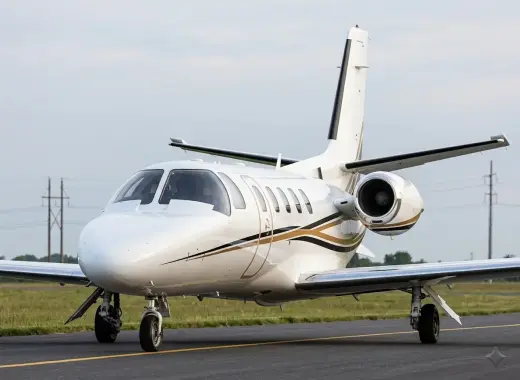
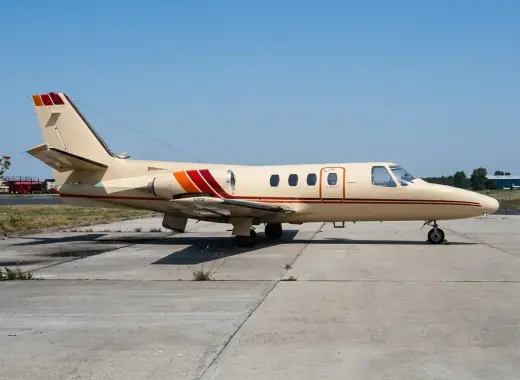
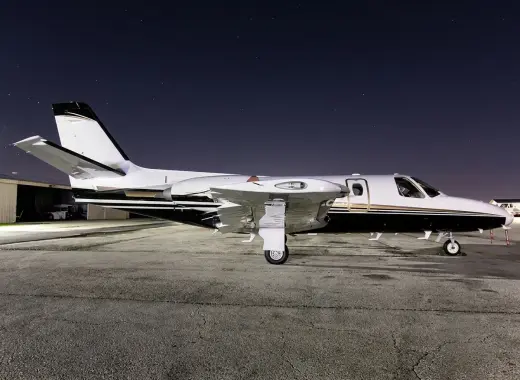
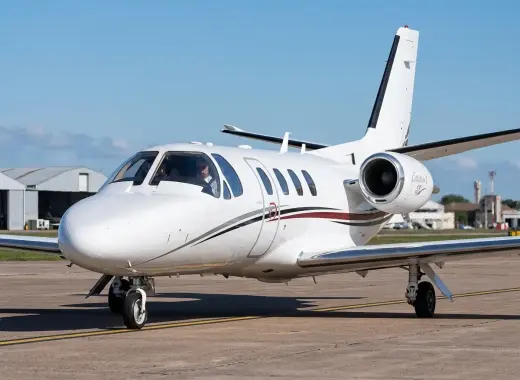
The Cessna Citation Jet 1+ and 1 series perfectly meet the standard of investing in transportation assets that are efficient and reliable. The demand for executive transport that is fast and available on demand continues to grow as modern companies continue to expand into multiple regional locations. Embraer Phenom 100
These Jet Transport business jets are vital machinery for companies, bridging the distances between geographical locations and tight deadlines. This aircraft family is a popular choice for business travelers who need to travel regionally. Its low maintenance costs, sturdy airframe, and flexibility make it a great option.
The Cessna Citation Jet 1, 1+ and 2 engines are a mechanical marvel
Dual Williams International FJ44 turbofan engines power the Cessna Jet 1 and 1+. These engines provide a high level of reliability and can cruise at speeds up to 389 mph. They also optimize fuel consumption.
The Flight Range and Performance of Short Field Runways is Unmatched
The ability to operate outside of restricted environments is a significant financial advantage when analyzing the logistical utility for business machinery. This aircraft is praised for its outstanding short-field agility. It requires a takeoff range of only 3,250 feet and an average landing distance of 2,590 feet in standard operating conditions. This runway performance allows access to thousands of small municipal runways and avoids the traffic congestion and security issues of major international hubs. The jet's practical cruise radius is up to 1,300 nautical miles, allowing executive teams to make non-stop round-trips in the region.
Advanced Cockpit Automation with Single Pilot Flight Controls
Flight automation is taken to the next level with the plus variant, which incorporates Rockwell Collins Pro Line 21 avionics suite. This advanced suite consolidates navigation data, weather radar tracking and primary flight information. The plus version takes flight automation to the next level by incorporating Rockwell Collins Pro Line 21 Avionics Suite, which consolidates weather radar tracking and primary flight data.
Ergonomic Cabin Space and Passenger Transportation Utility
The layout of the jet's interior maximizes the space available in the fuselage. The main cabin can comfortably accommodate five to six passengers. It is typically configured in a four-seat club configuration, with an enclosed rear toilet and a refreshment center forward. The cabin is adorned with large windows that let in plenty of light. A high-differential-pressure system maintains a low cabin altitude, allowing for comfort even when the cruise threshold is high. The aircraft has a dedicated 45 cubic foot baggage space, which is ideal for tools, personal luggage, and presentation gear.
The conclusion of the article is:
Cessna Citation Jet 1+ and 1 stand out as a benchmark for the light business aircraft sector. It is a testament to how robust engineering and simplicity lead to long-lasting operational success. The combination of its 389-knot speed, one-pilot integration and short-field capability makes it an ideal business tool for immediate deployment in regional markets. Textron Aviation has created a corporate asset with a highly trusted airframe and cost-effective turbofan efficiency by combining a heavily relied upon design with cost-effective turbofan efficiency.
FAQs
What is the maximum range of flight for the Cessna Citation Jet 1, 1+ and 2?
With full fuel reserves, the aircraft can fly up to 1,300 nautical miles in optimal conditions. Corporate operators can easily travel non-stop over long distances within a region without having to stop for refueling.
Wikipedia
Can this particular light jet be flown safely by one pilot?
Both models are certified for solo operation.
What are the differences between the original version and the Plus Version?
The plus variant features a more fuel-efficient Williams FJ44-1AP engine for higher cruise speeds and faster climb rates. It also replaces older flight deck instruments with a Rockwell Collins Pro Line 21 Digital Avionics Suite.
What is the shortest runway that an aircraft can safely take off?
The jet has a fantastic airport performance. It only needs a takeoff and landing distance at sea level of 3,250 feet. The short-field agility allows operators to use smaller regional airports nearer their final destination.
What is the average fuel usage rate of this light jet family?
During normal cruise speeds, the aircraft consumes approximately 134-141 gallons per hour. The aircraft's high efficiency makes it a more economical alternative than larger and heavierJet Transport jets for regional routes.