






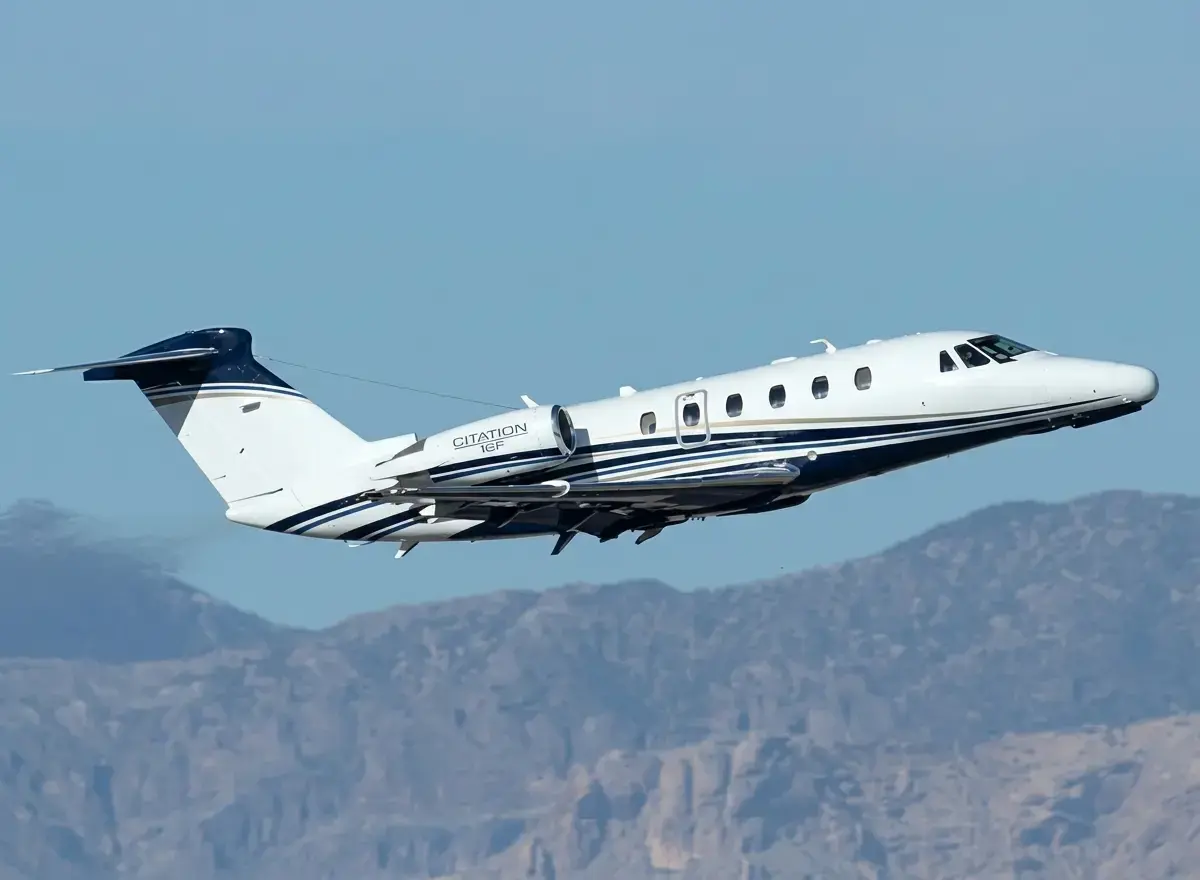
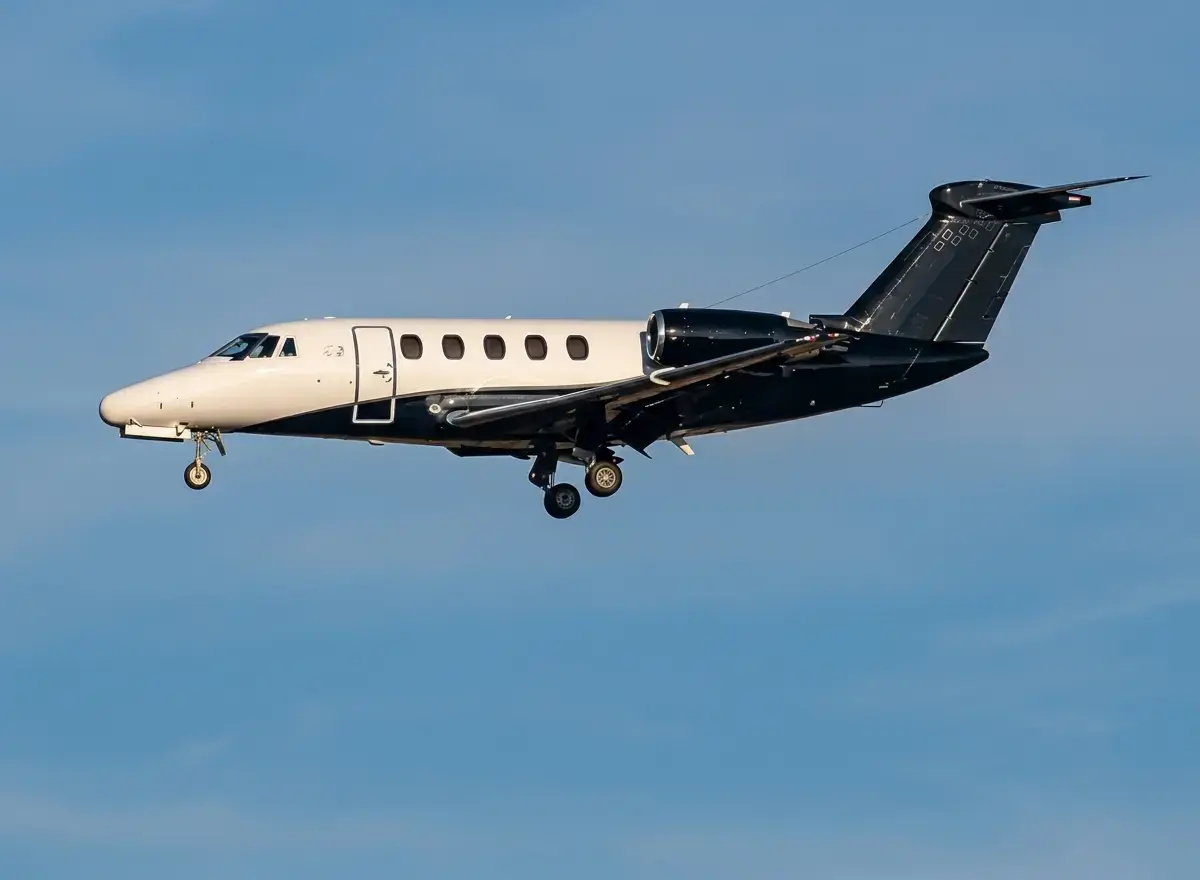
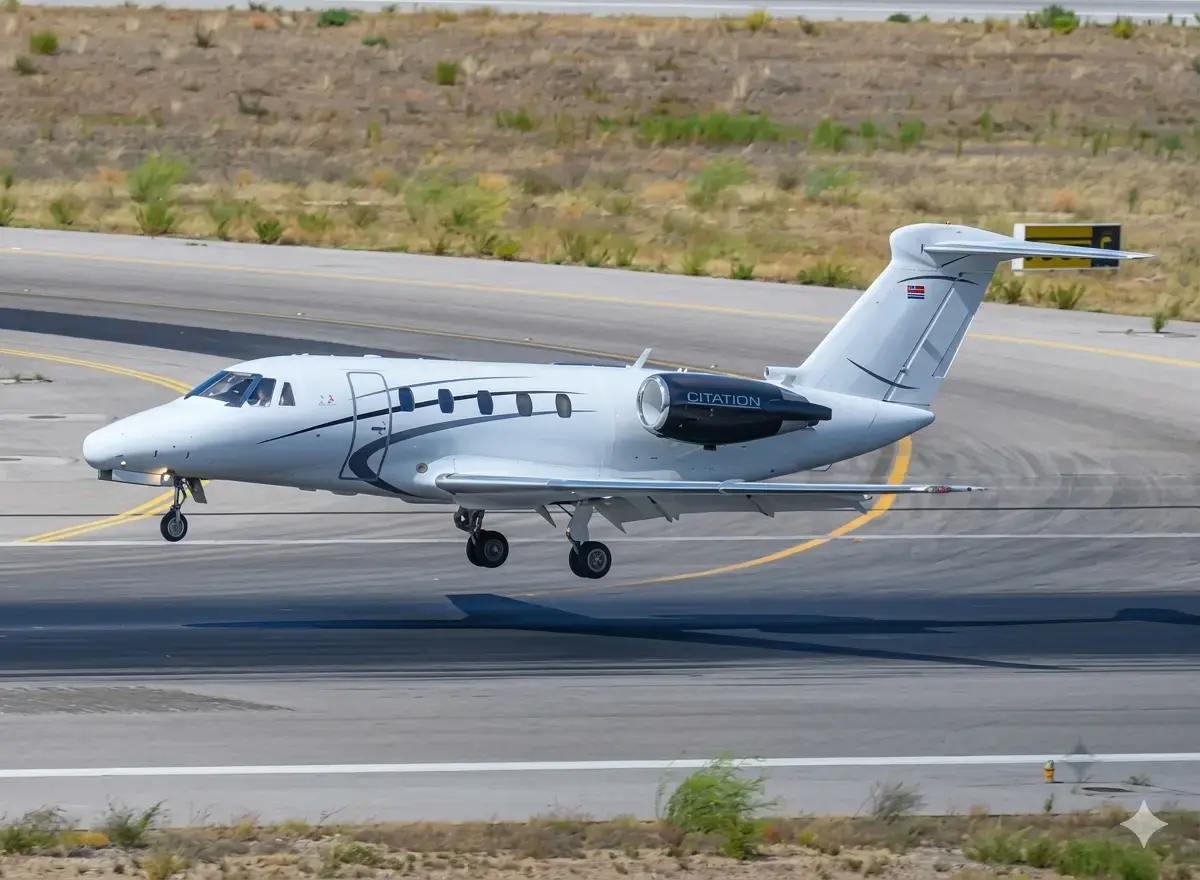
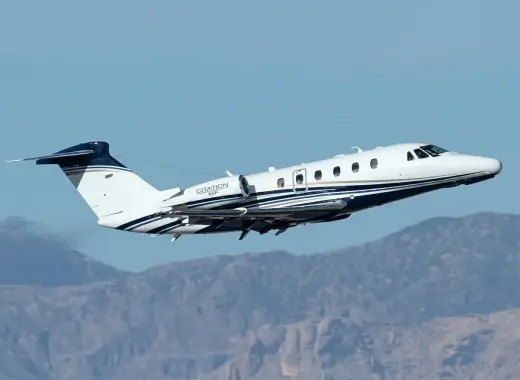
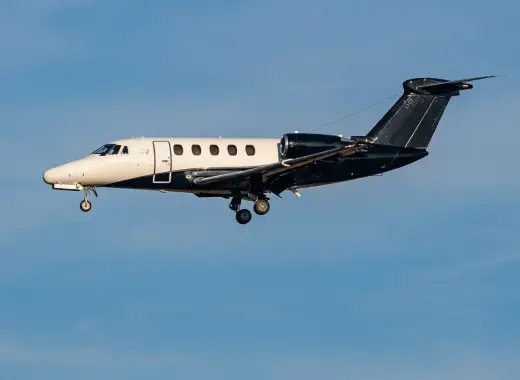
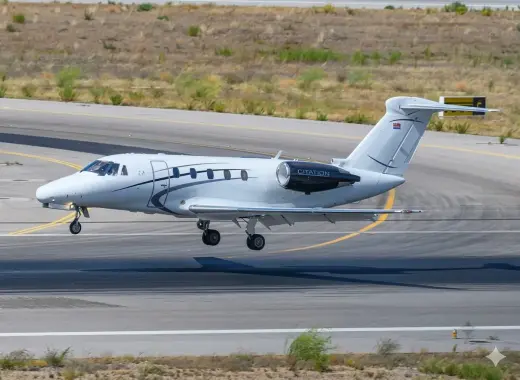
The Cessna Citation Jet 3 is a high-performance, reliable aircraft that can maximize the efficiency of corporate transportation networks. It's a benchmark in the industry. To maintain productivity, executives must carefully control travel time when their business expands across several regional offices.
This private jet is a valuable asset for flight departments. It allows them to connect distant locations without the delay of commercial flights. This aircraft is the pinnacle of corporate fleet flexibility, offering a perfect balance between low operating costs, high cabin comfort and impressive speeds at altitude.
Cessna Citation Jet 3 Engines: Superior Propulsion Technology
This advanced digital control system optimizes fuel consumption dynamically at every phase of flight. The aircraft can reach its operating ceiling of 45,000 ft in just 27 minutes. The exceptional climb ability allows operators to fly above regional weather patterns, standard commercial airline traffic and even turbulent regional weather patterns.
Aerodynamic Design Metrics and Extended Regional Range
Its structural engineering is a major factor in the aircraft's operational efficiency. The aircraft has a natural laminar-flow wing that reduces drag and increases lift. The jet's maximum range is 2,040 nautical miles, allowing it to handle non-stop missions across the continent.
Single-pilot flight management and streamlined avionics integration
This upgraded version introduces a fully integrated Garmin G3000 touch screen flight deck with advanced autothrottle for enhanced situational awareness. These digital environments are cutting-edge and automate complex diagnostics, weather radar tracking and vertical navigation planning. The extensive technology support reduces fatigue for pilots during difficult approaches and ensures maximum safety along the flight path.
Ergonomic Cabin Design and Passenger Carriage Expanded Utility
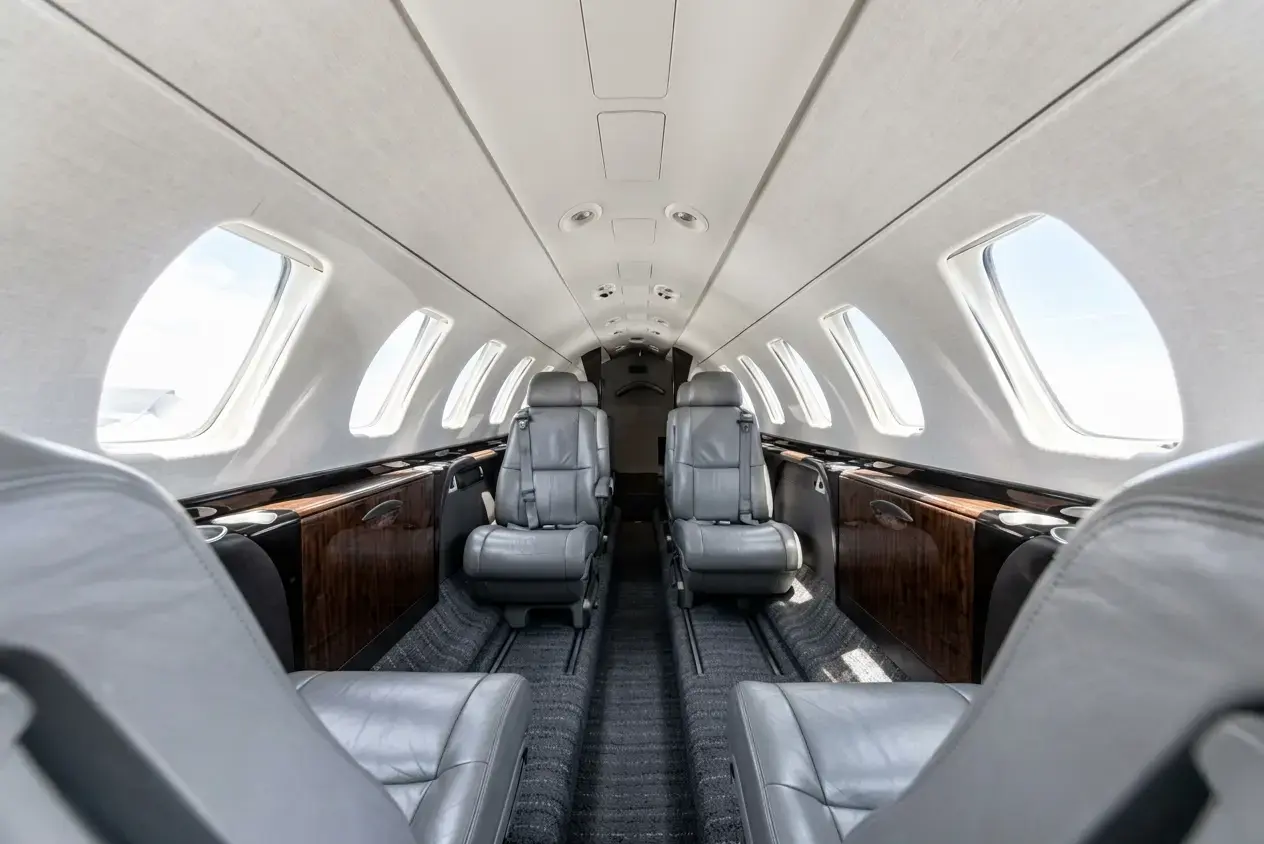
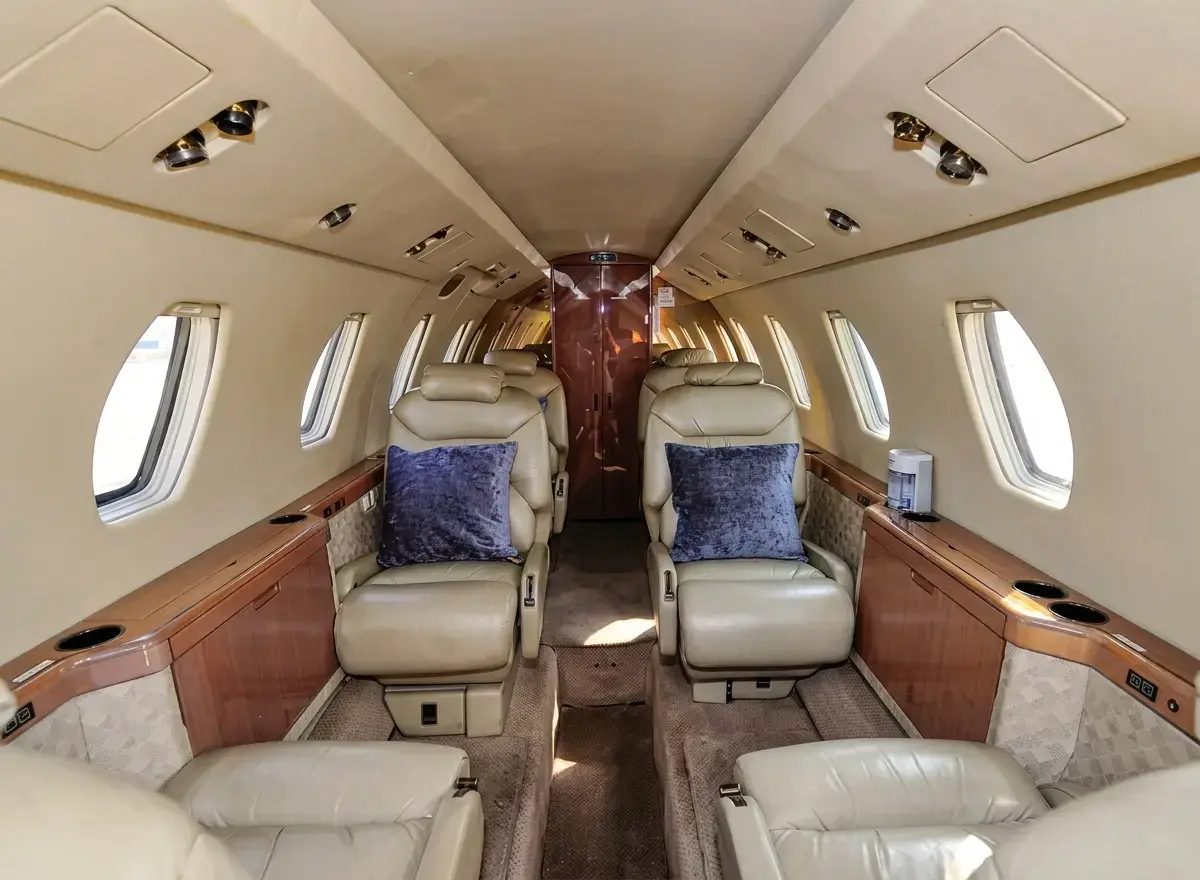
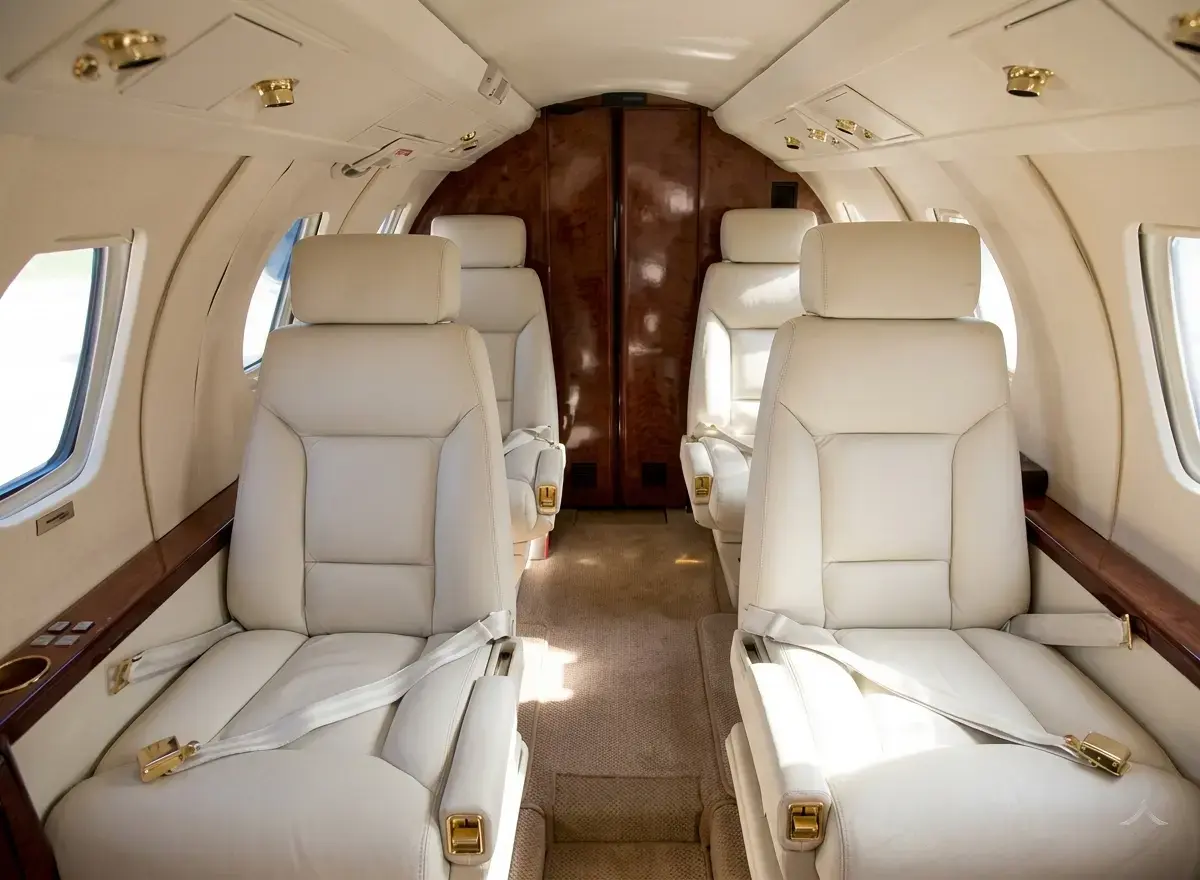
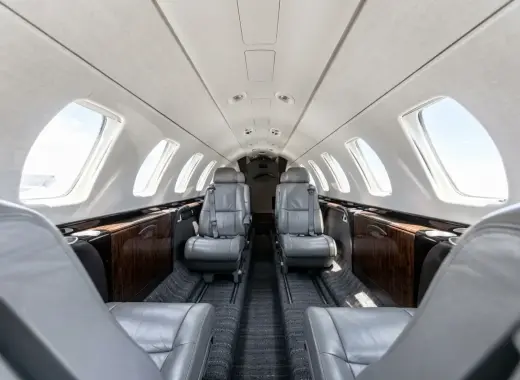
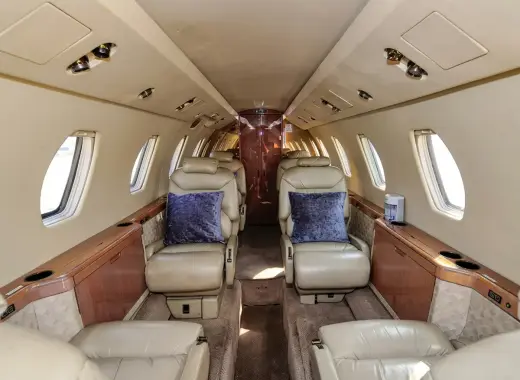
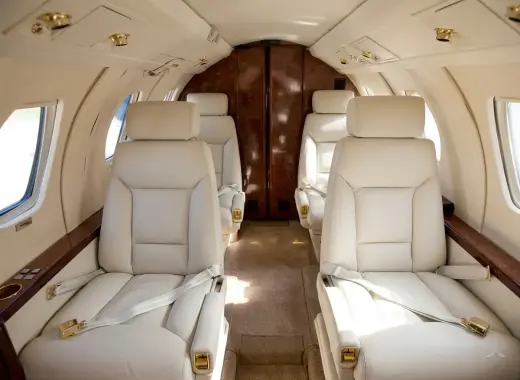
The cabin is over 15 feet long, providing ample space to comfortably host up to seven or eight passengers in a premium double-club arrangement. The cabin is over 15 feet long, and can comfortably accommodate up to eight passengers in premium double-club seating. Deep-cushioned seats on pedestals that glide smoothly along the floor maximize shoulder space and legroom for busy executives. The large windows in the cabin flood it with light. A rear lavatory is enclosed, and there's a refreshment center at the front. The jet has 65 cubic feet of luggage space that can safely hold up to 1,000 pounds of cargo or business gear.
The conclusion of the article is:
Its combination of a 416-knot cruise speed, single-pilot digital flight automation and superior short-field runway access makes it a highly practical corporate tool for immediate deployment. The combination of its 416-knot speed cruise, digital flight automation for single pilots, and short-field runway accessibility makes it an ideal corporate tool.
FAQs
What is the maximum range of flight for the Cessna Citation Jet 3 aircraft?
With four passengers aboard, the aircraft can achieve a maximum range of 2,040 nautical miles under ideal conditions.
Can one pilot fly this particular light jet?
The entire aircraft series has been certified for single-pilot operation. The touchscreen flight instruments and flight deck controls are ergonomically designed to allow one captain to safely manage all navigational, engine parameter, and communication tasks.
What are the differences between the standard version and the Plus Version?
The classic version uses a Rockwell Collins Pro Line 21 suite of avionics, while the plus variant features a touchscreen Garmin G3000 flight deck. It also includes advanced engine autothrottles as well as modernized cabin amenities.
What is the shortest runway that an aircraft can safely operate?
The Jet has excellent airport performance. It only requires a take-off field of 3,180 feet and a landing of 2,770 feet.
What are the engines that power the aircraft, and what is their average fuel consumption?
The Williams International FJ44-3A engines are powerful and efficient, generating 2,820 lbs of thrust per engine. They consume approximately 166 gallons of aviation fuel an hour in the standard cruise phase.