






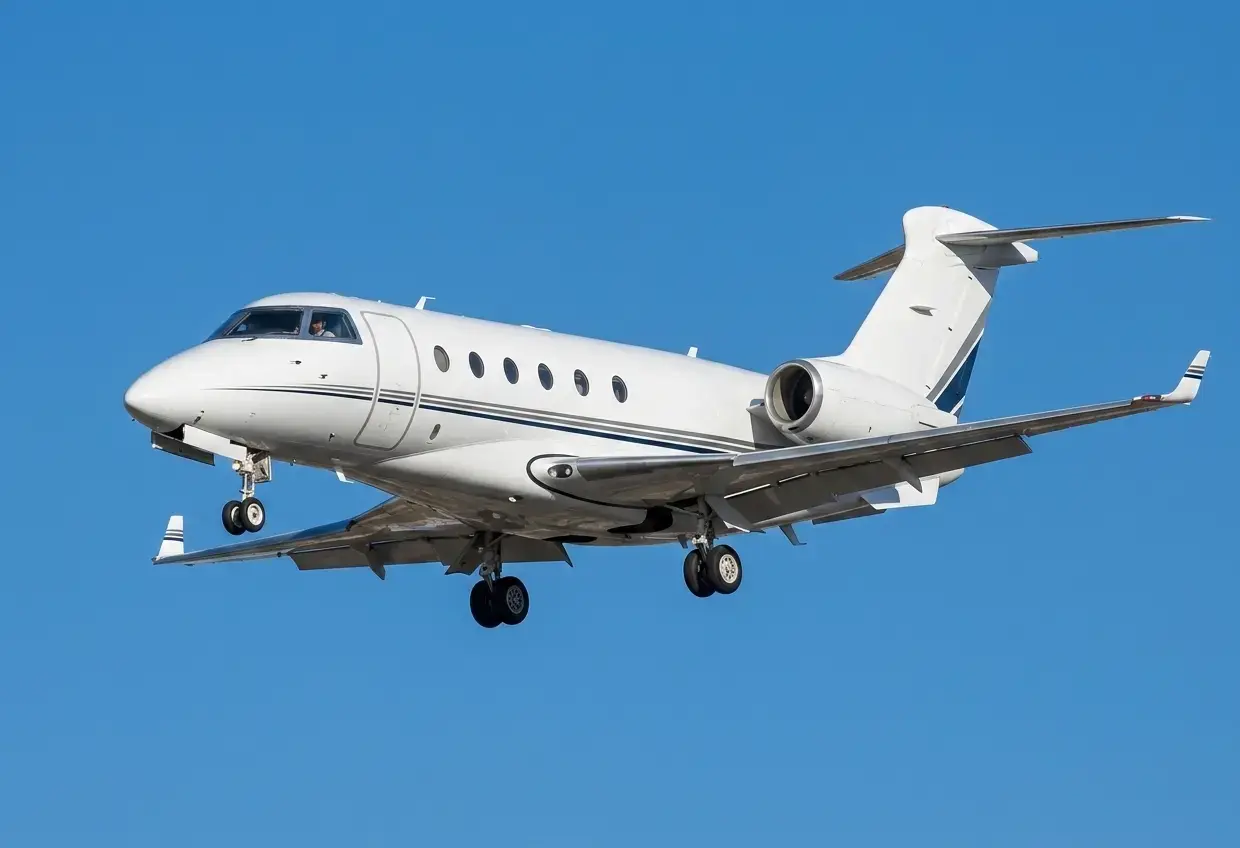
The growth of regional corporate travel necessitates a private aircraft that exceeds the limitations of older midsize jets. While traditional business jets often face challenges with slow ascent and diminished performance during warm conditions, a few select models have been purposefully designed to provide rapid performance and dependable short-field operation. Gulfstream G150
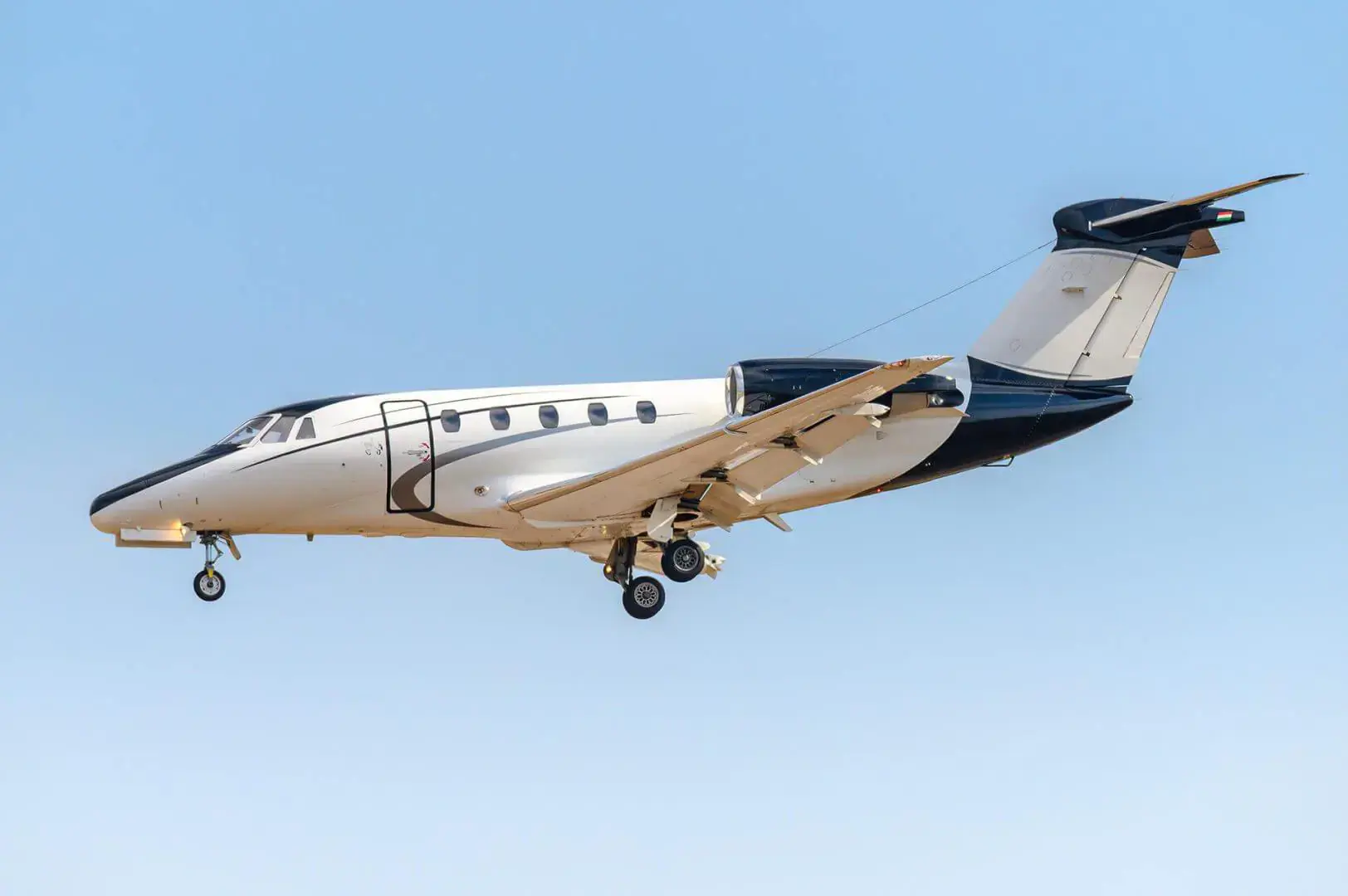
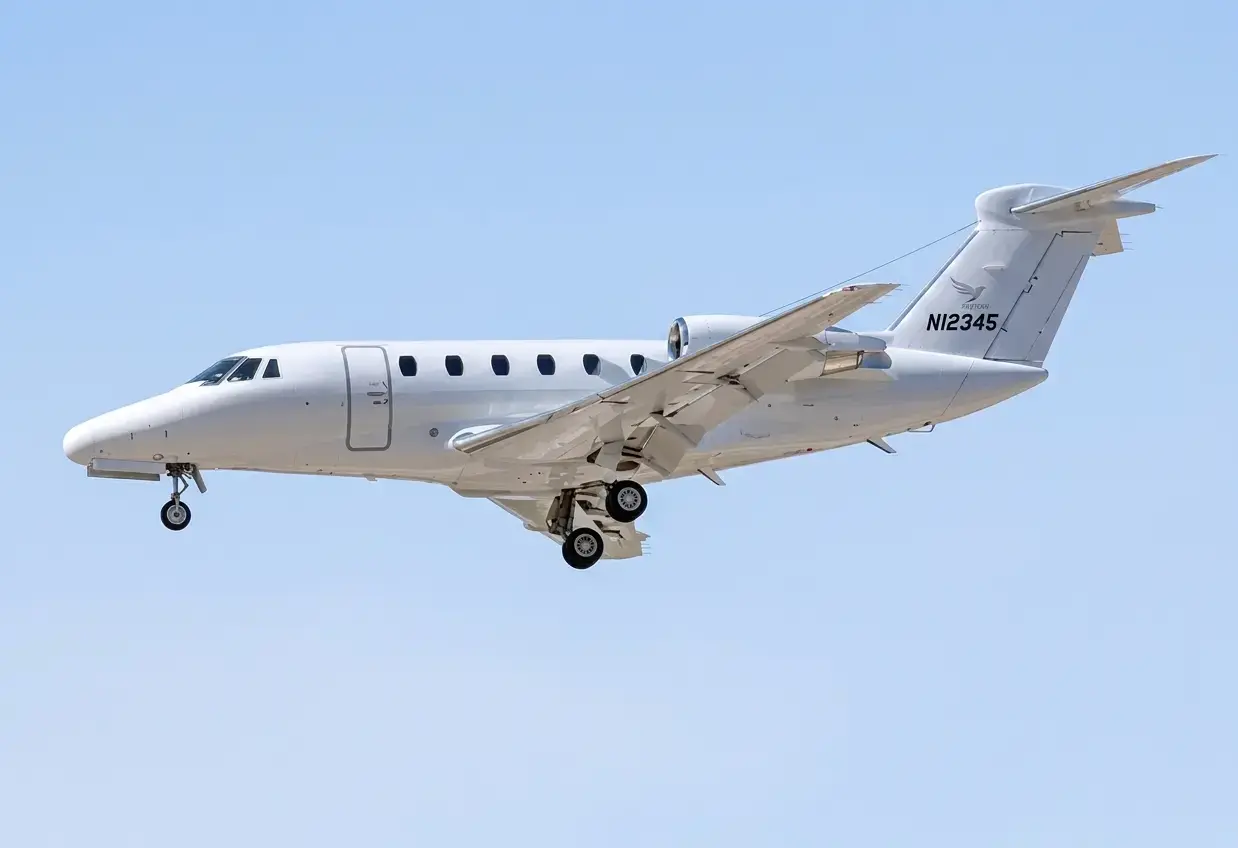
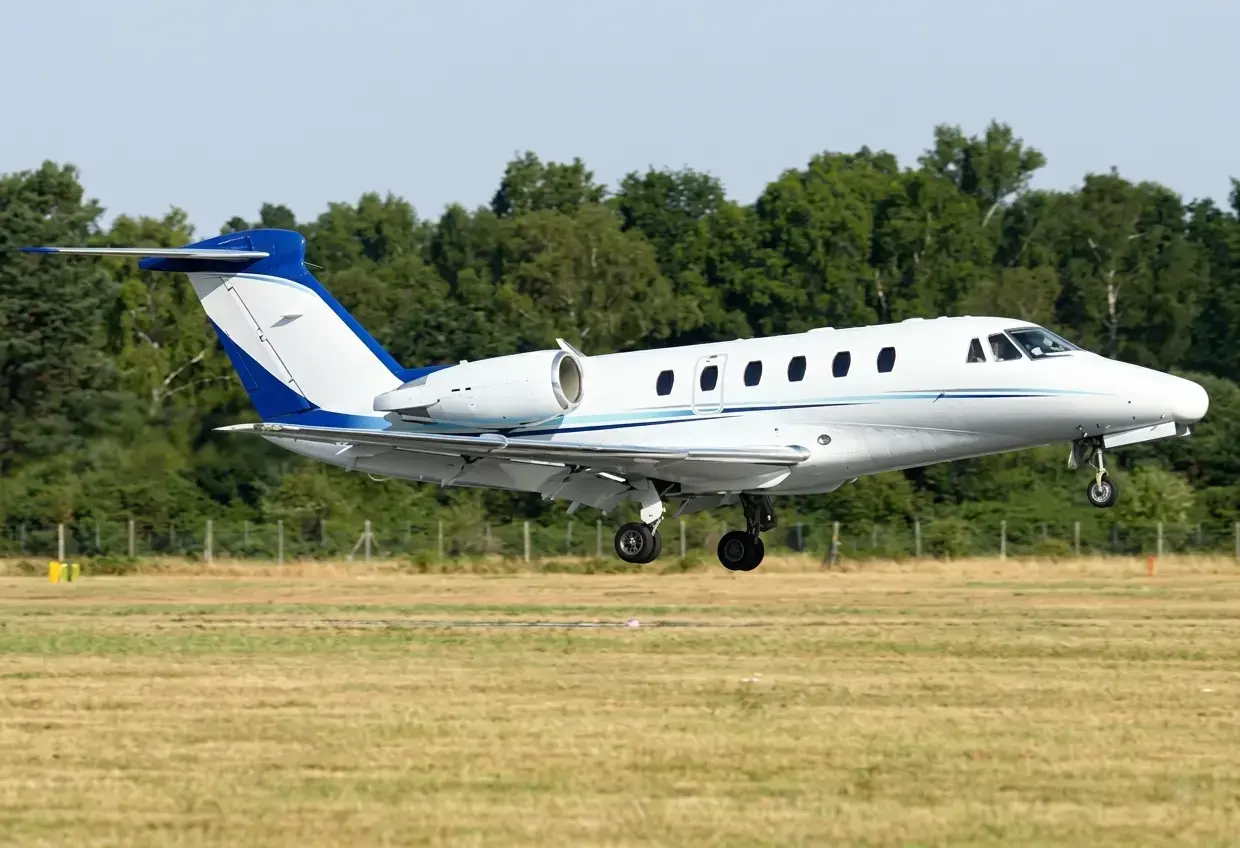
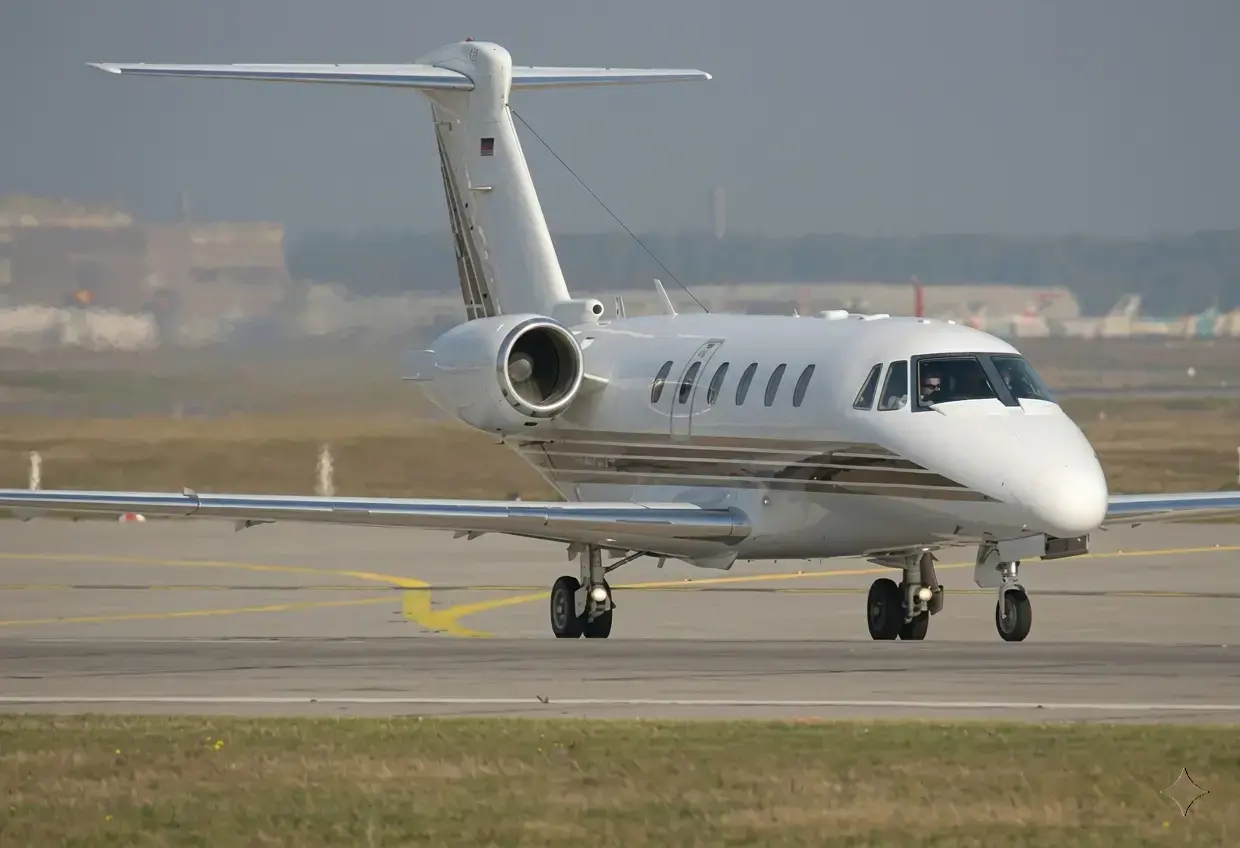
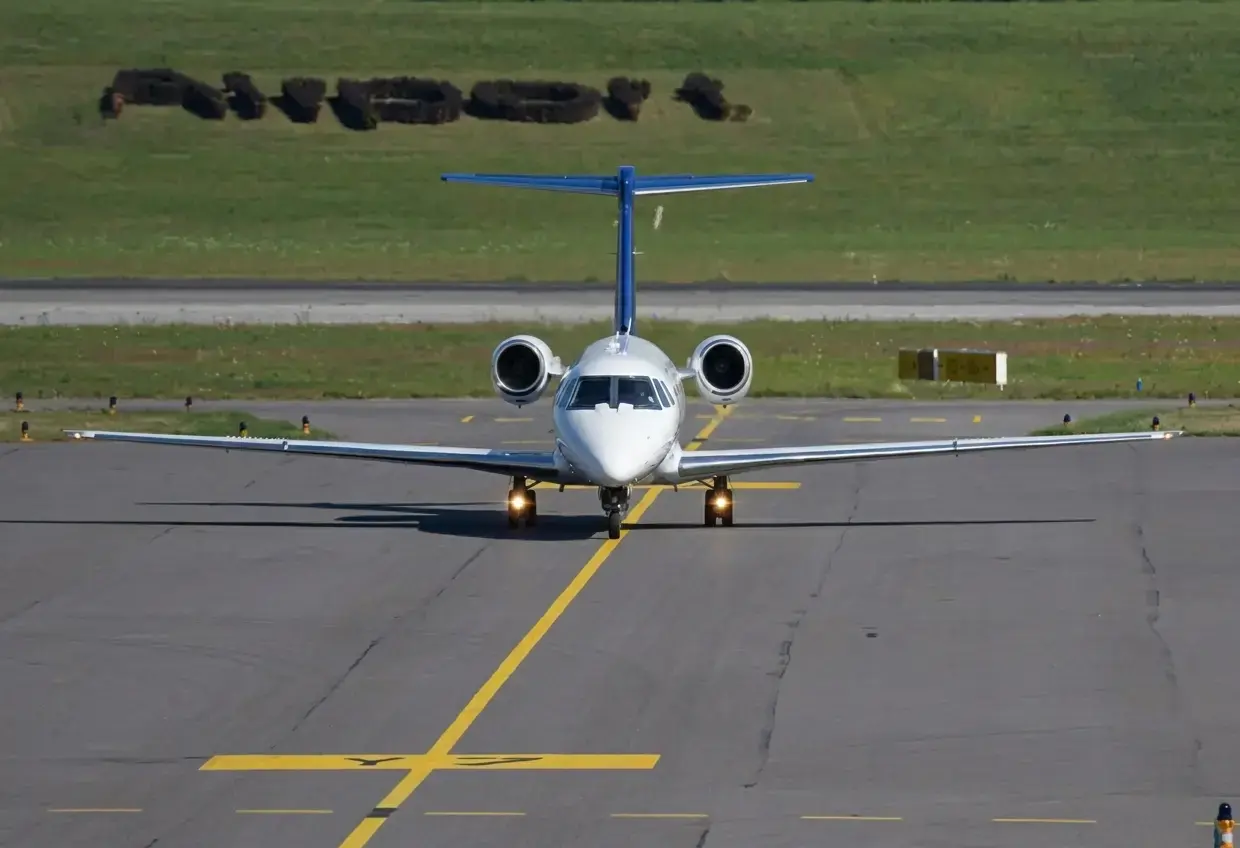
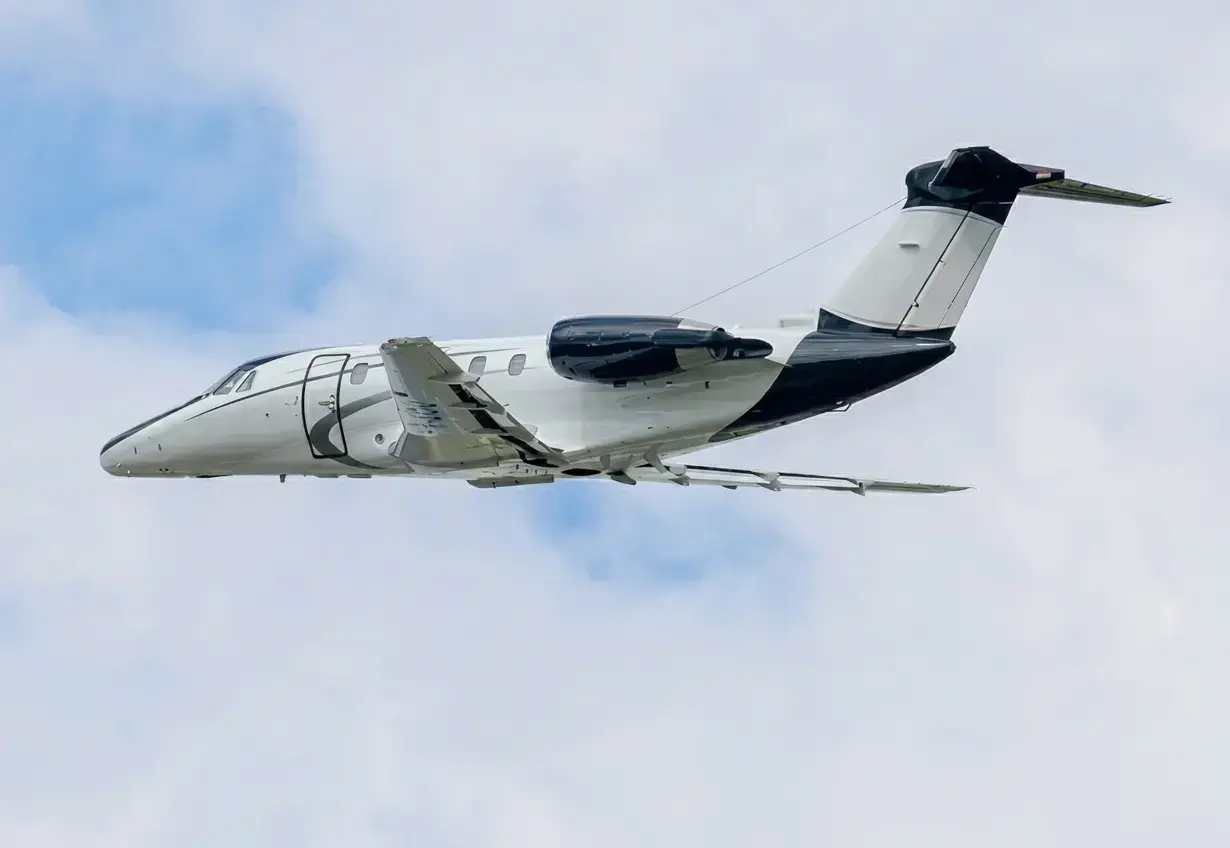
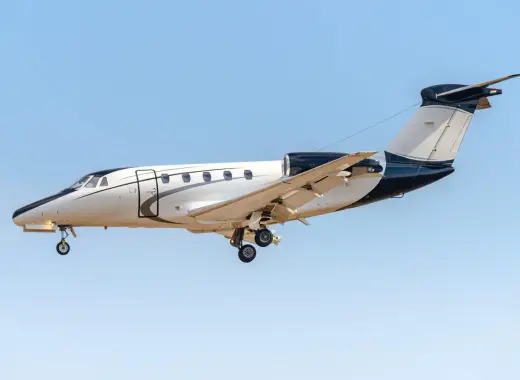
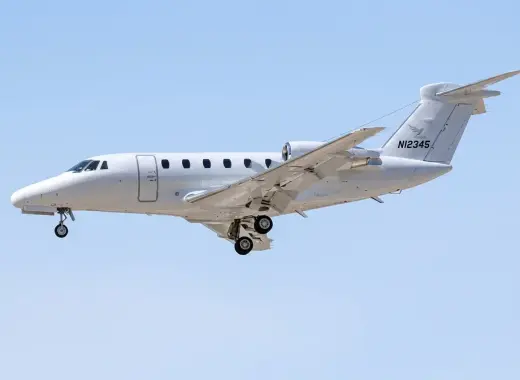
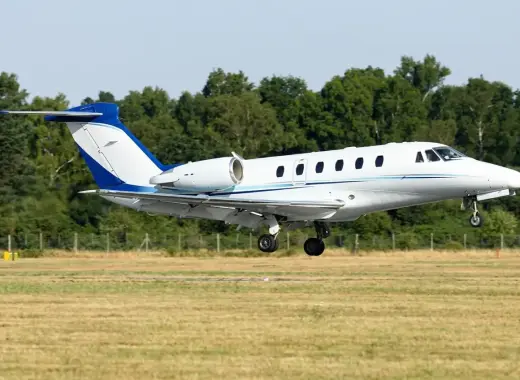
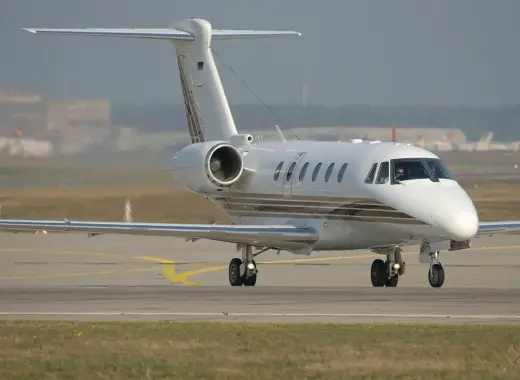
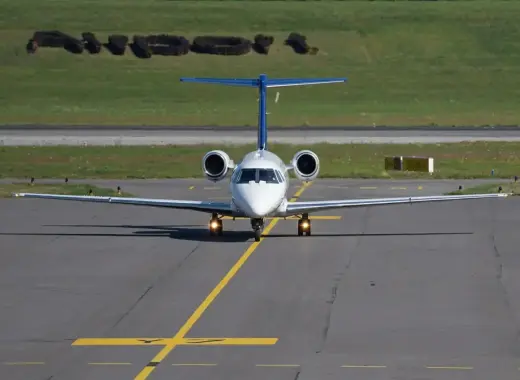
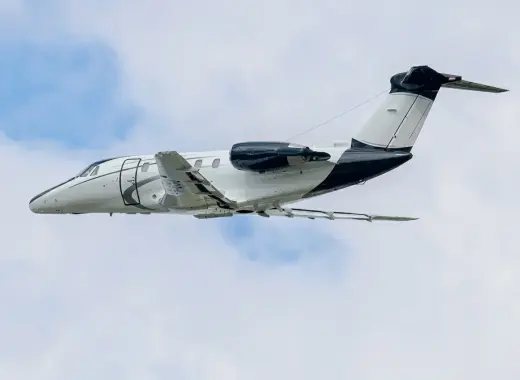
The Cessna Citation VII stands as the pinnacle of the renowned Model 650 series. By incorporating a refined, swept supercritical wing and significantly improved engines, this midsize jet offers private operators a swift, quiet, and reliable executive flying experience that facilitates seamless medium-range travel.
Unmatched Power and Engine Enhancements of the Cessna Citation VII
The technical excellence of this aircraft stems from its high-thrust propulsion and advanced engine management systems. It is powered by two Honeywell TFE731-4R-2S turbofan engines, each delivering a robust 4,080 pounds of thrust.
These engines utilize digital electronic controls that precede modern FADEC systems, guarding against overspeed and overheating during critical takeoff moments. For operators, this enhanced power translates into improved takeoff capability, enabling the jet to operate safely from shorter airstrips and reach 37,000 feet in just eighteen minutes.
Aerodynamic Advancements and High-Altitude Performance
The airframe of this aircraft is specifically constructed to achieve nearly supersonic speeds while ensuring maximum stability in flight. Equipped with a specialized supercritical wing, it navigates high-speed cruising much more effectively than typical straight-wing models.
This sophisticated aerodynamic design allows the business jet to reach a cruising speed of 459 knots, erasing the slow perception associated with older midsize jets. Furthermore, its robust trailing-link landing gear system provides excellent ground handling, ensuring smooth taxiing, stable approaches, and effective braking across various regional runways.
Inside the Opulent Stand-Up Cabin and Dressing Area
The interior of the Citation VII seamlessly combines passenger comfort with productive executive workspaces. With a flat floor that offers a stand-up height of 5 feet 8 inches and a width of 5 feet 6 inches, travelers can navigate the center aisle with ease.
The standard layout comfortably accommodates seven to eight passengers, often featuring a forward-facing two-seat divan and a versatile mid-cabin club arrangement of adjustable leather seats. Additionally, the fully enclosed rear lavatory has been expanded to function as a private dressing area, accompanied by 51 cubic feet of heated luggage capacity located externally.
Cutting-Edge Electronics and Honeywell SPZ-8000 Avionics Suite
The cockpit is meticulously designed around advanced automated systems aimed at enhancing pilot situational awareness while reducing crew workload. At the heart of the flight deck is the reliable Honeywell SPZ-8000 digital flight control system, supported by a five-tube electronic flight display.
This integrated setup provides automated pilot assistance, sophisticated flight management features, and intuitive safety subsystems to allow the crew to monitor critical aircraft data at the touch of a button. Together, these tools adhere to strict commercial aviation safety regulations, ensuring accurate navigation even in turbulent conditions and congested airspace.
Conclusion
The Cessna Citation VII is a practical and esteemed option for private operators focused on rapid climb rates, impressive cruise speeds, and versatile airfield operation. By fusing a spacious stand-up cabin with powerful Honeywell turbofans, this manufacturer has developed a highly flexible and robust business jet ideal for transcontinental flights. Its signature trailing-link landing gear, straightforward mechanical systems, and elegant interior design solidify its enduring reputation as an effective and economical asset for corporate transportation.
Frequently Asked Questions
What is the maximum non-stop range of the Cessna Citation VII?
The aircraft boasts an NBAA IFR flight range of approximately 1,700 to 1,833 nautical miles with four passengers onboard, allowing non-stop flights for about three and a half hours, easily connecting cities like Chicago to Phoenix or London to Rome.
In what ways does the Citation VII differ from the older Citation III model?
The Citation VII features more powerful Honeywell engines that provide an additional 780 pounds of thrust per engine compared to the Citation III. It also sports a redesigned interior with enhanced soundproofing, simplified flap systems for improved reliability, and a digital flight control system.
What are the standard runway requirements for takeoff and landing?
Under standard sea-level conditions and maximum takeoff weight, the jet requires approximately 5,170 feet of balanced field length for takeoff and can safely land within about 2,910 feet.
Can passengers access the baggage compartment during the flight?
No, the 51 cubic feet of baggage space is located in an external compartment that, while heated for cold-weather protection, is not pressurized and cannot be accessed from within the cabin during flight.
What is the maximum certified altitude for this midsize business jet?
The aircraft is certified to reach a maximum operating altitude of 51,000 feet. However, to optimize fuel efficiency and performance, pilots typically cruise between 37,000 and 43,000 feet, safely above commercial traffic.