






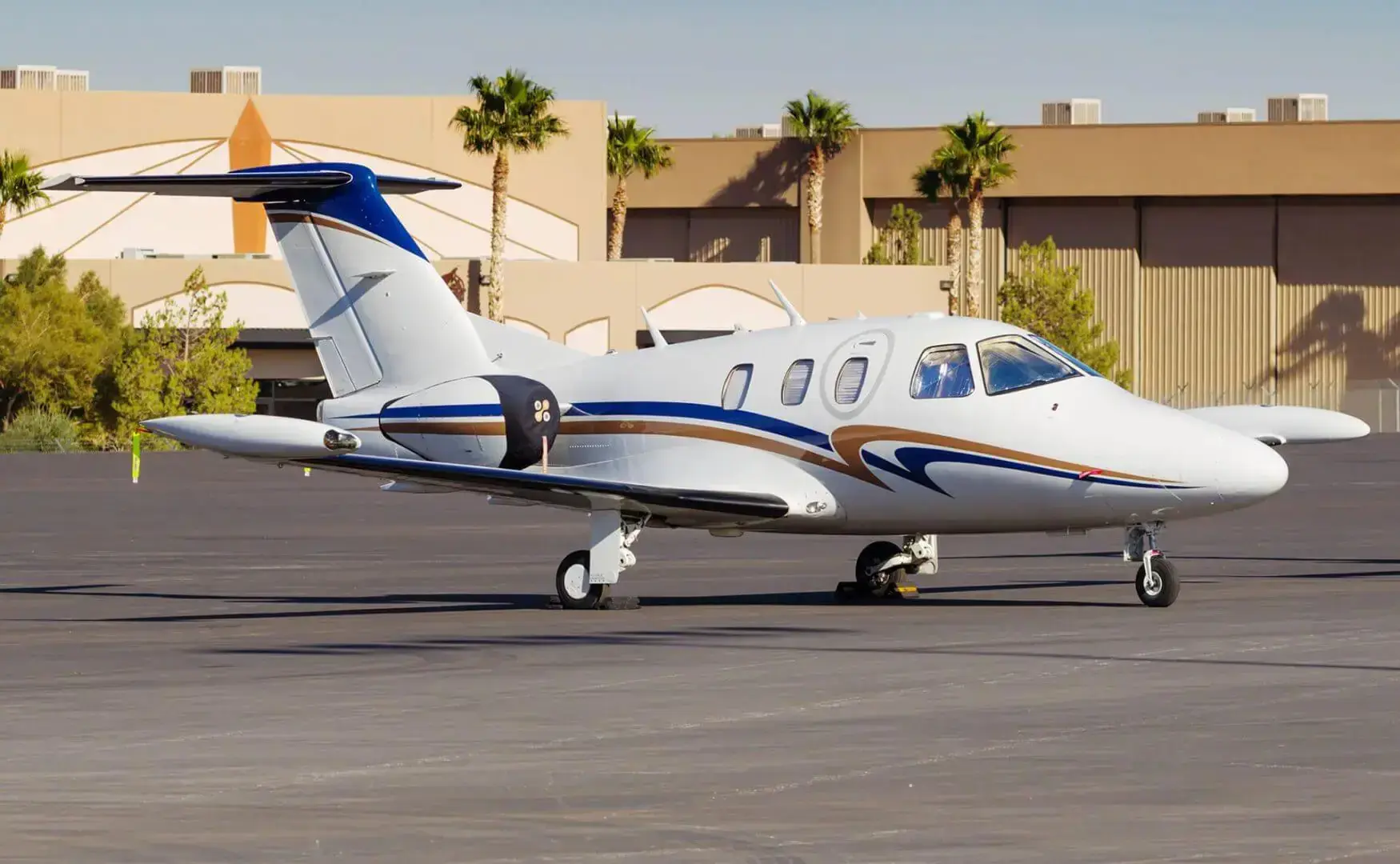
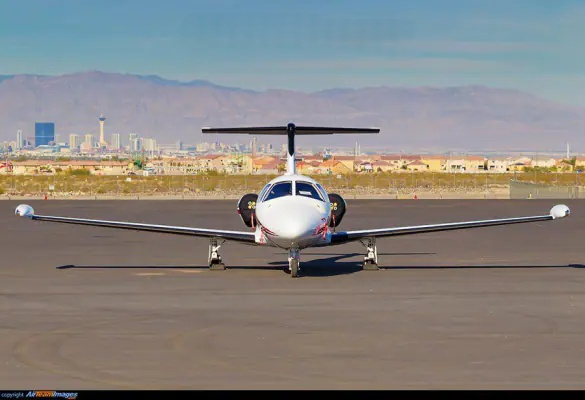
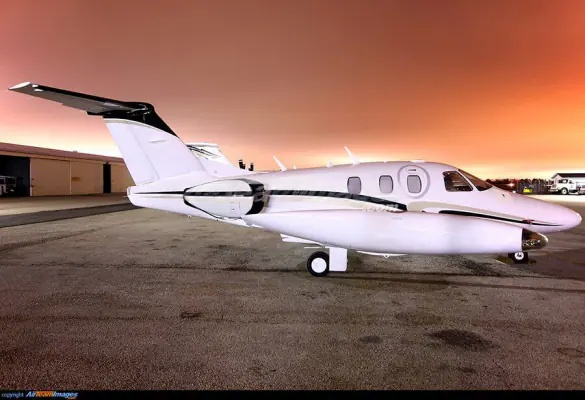
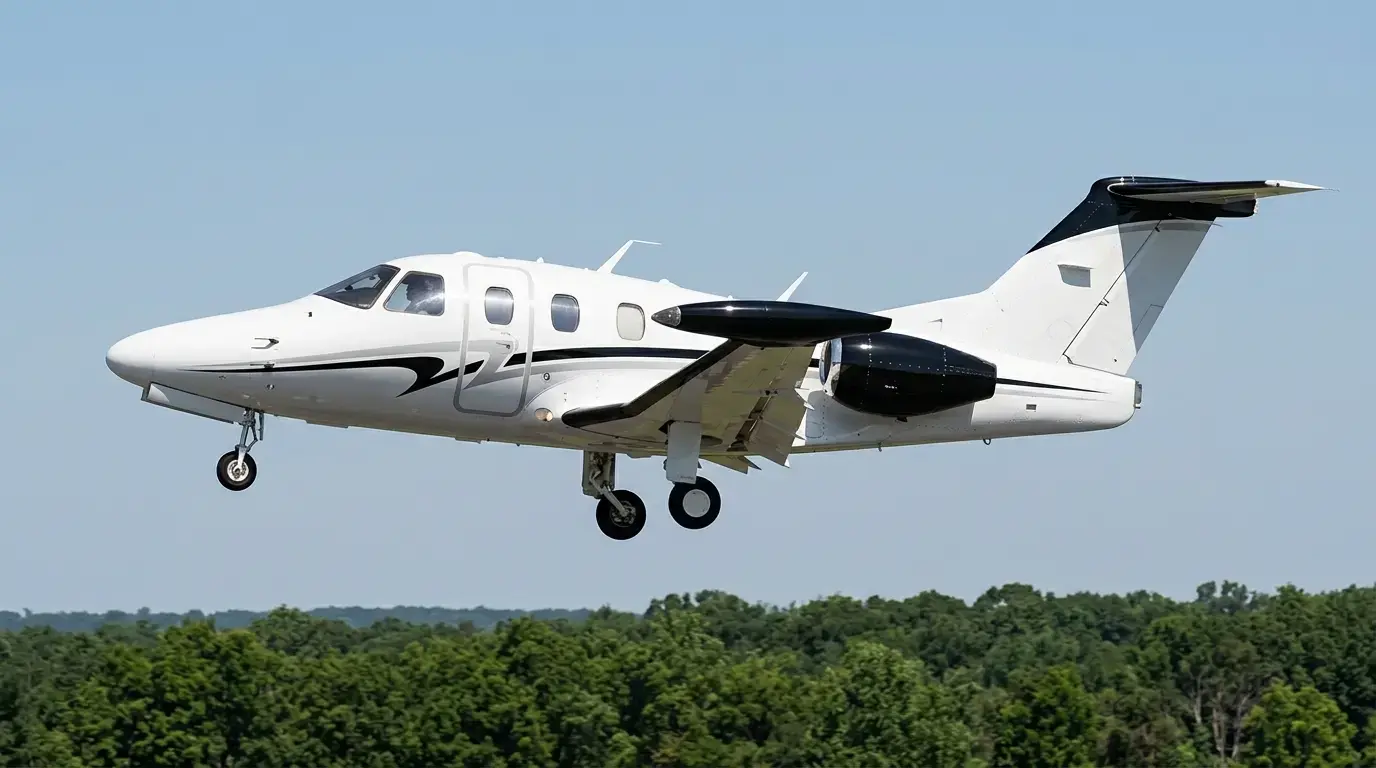
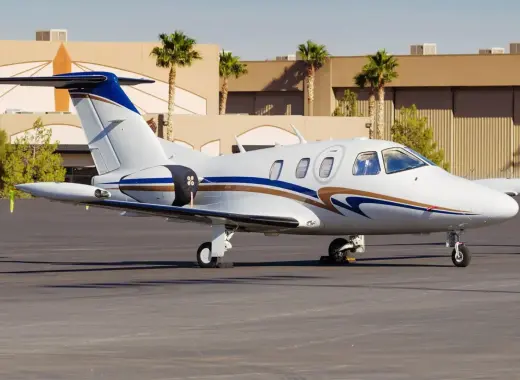
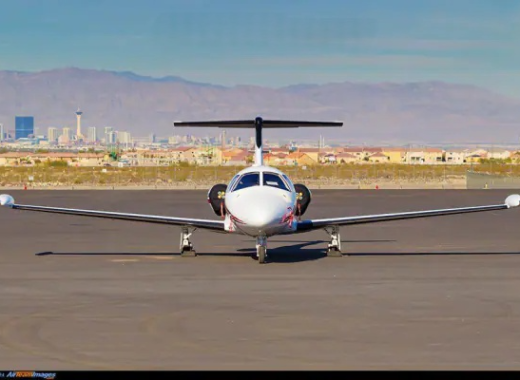
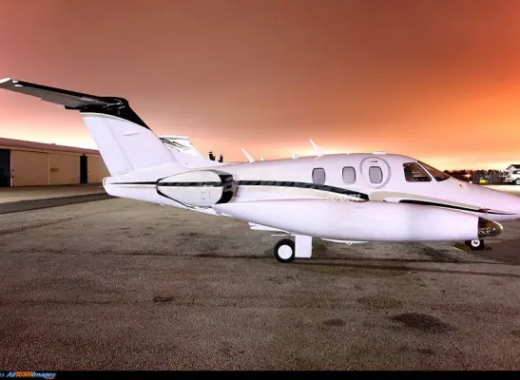
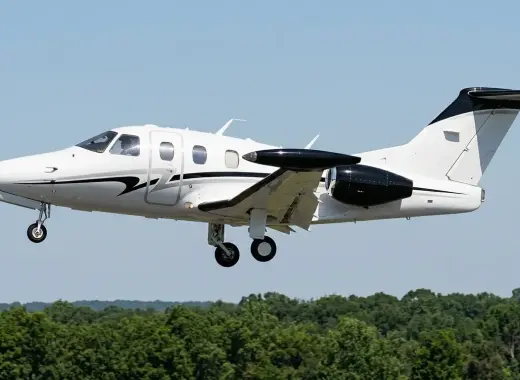
The ultimate goal in the fast-paced business world and the heavy corporate transport infrastructure is to maximize time while minimizing overhead. Eclipse 500/550 has revolutionized private aviation by introducing the world to the true power of Very Light Jets (VLJs). HondaJet
This compact powerhouse was designed as a business tool, not just a luxury product. It balances high-speed performances with an operating cost footprint that challenges turboprops.
Eclipse 500/550: Economical Advantage
Fuel efficiency is the most compelling reason to integrate this aircraft into corporate logistics. This twin-engine jet burns less fuel than traditional business jets at cruise speeds. The highly optimized fuel consumption dramatically reduces hourly operating costs. This makes point-to-point travel by jet accessible to regional business operations that previously relied on turboprops or slower ground solutions.
The structural philosophy of the airframe is based on the use of high-grade aluminum joined by friction stir welding. This advanced manufacturing method creates strong, seamless joints while reducing structural weight. This lightweight airframe gives the jet impressive runway performance. It can land on shorter runways, where larger business aircraft cannot.
Amazing Jet Performance and Mission Capabilities
The aircraft's performance metrics maximize time management in busy corporate teams. The jet is powered by two compact Pratt and Whitney Canada Turbofan engines that achieve a maximum speed of 375 knots or approximately 430 miles per hour. This allows for regional management teams and corporate teams to travel between distant corporate locations and return on the same day.
The aircraft has a maximum operating height of 41,000 feet. It can fly above commercial airline traffic and turbulent weather systems.
Advanced Cockpit Integration and Flight Systems
The new flight deck is a technological advance, designed to ensure safe and seamless operations by a single pilot. The integrated avionics system, which is located in the cockpit, combines primary flight displays with multi-function screens to create a highly organized interface. This interface provides real-time monitoring of aircraft health, navigation data and weather tracking. This system is intuitive and allows pilots to access critical telemetry at a glance.
The refined newer versions have safety systems that elevate the level of pilot assistance. The newer versions of the platform have advanced digital anti-skid brake technology and autothrottle systems that bring the aircraft to an immediate stop upon landing.
Interior Space Utilization and Cabin Logistics
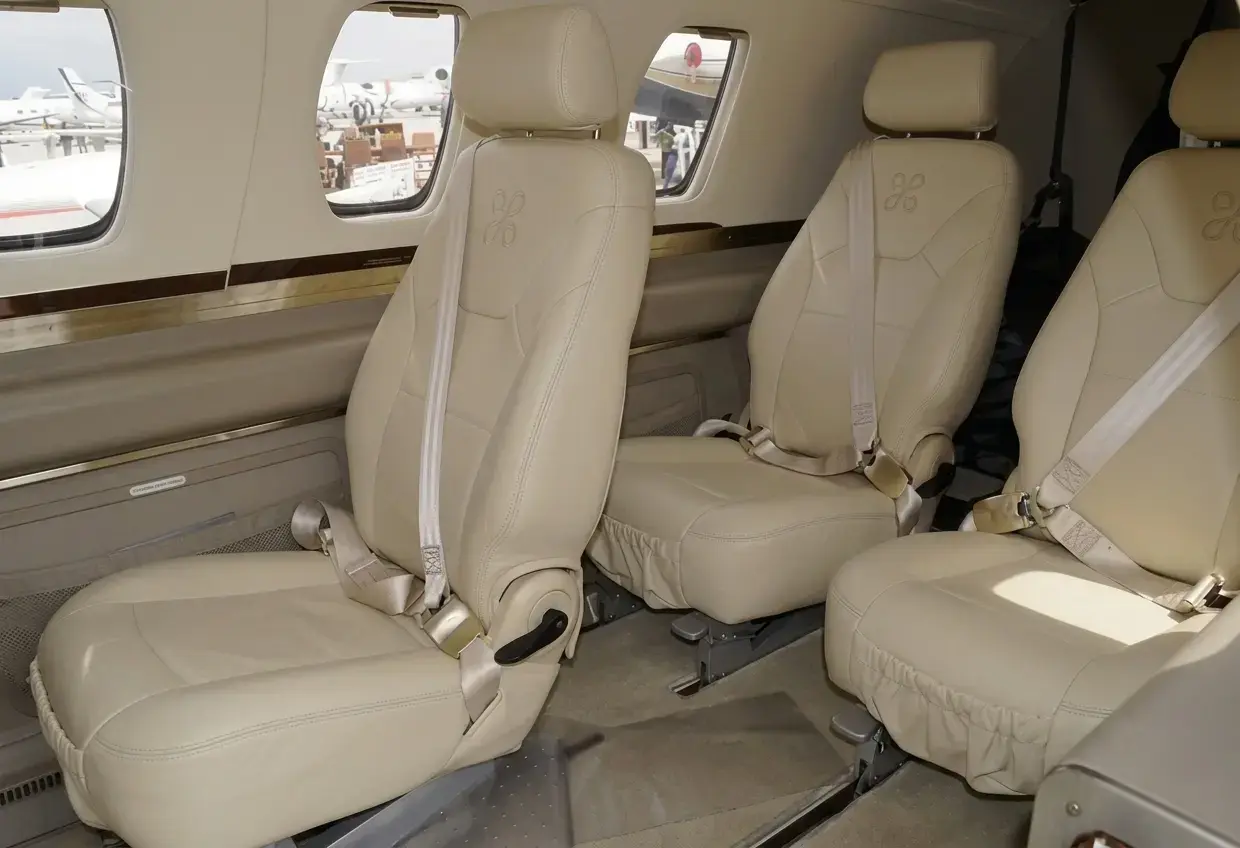
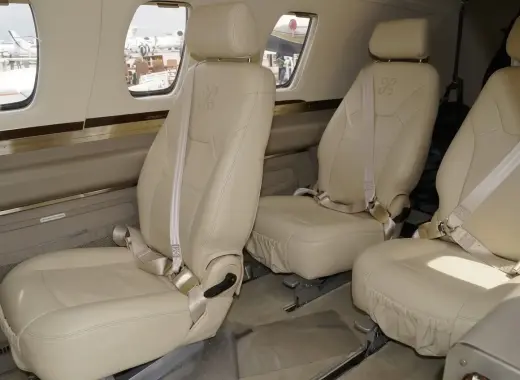
Interior layouts are a masterclass of spatial efficiency. Functional comfort is prioritized for short- to medium-range regional missions. The pressurized interior is usually arranged with leather executive seating that can be easily adjusted or removed in order to accommodate different cargo and passenger loads. The cabin was designed for rapid regional transport, so it does not have an onboard toilet. This allows all space to be dedicated to legroom and cargo storage.
This aircraft has a dedicated 16 cubic feet for internal luggage. It can easily hold standard luggage and corporate display materials. Precision testing equipment and other items are also accommodated. The result is that business professionals leave the aircraft feeling energized and focused.
Summary
The Eclipse 500/550 proves that business jets can be both fast and reliable while also being incredibly affordable. This aircraft provides an elegant solution to modern corporate transit requirements by combining tiny, efficient turbofans with a highly optimized, lightweight frame. This aircraft is a great choice for companies looking to increase their reach, avoid commercial airport delays and keep a tight grip on transportation budgets.
FAQs
What makes the fuel economy of the Eclipse 500/550 unique?
This aircraft is widely recognized for being one of the most fuel-efficient twin-engine jets on the market, using only 48-59 gallons per hour of fuel at cruise altitude. The low fuel consumption lowers carbon emissions and reduces hourly operating costs to a fraction compared to standard light jet rates.
Can a single pilot safely operate this jet?
A single pilot can operate the aircraft. It has a cockpit with highly integrated avionics, automated systems management and advanced pilot assistance such as autothrottles. This reduces workload for the single operator and increases safety.
What is the maximum cruise and range speed of the aircraft?
The aircraft can fly at a maximum altitude of 41,000 ft and a maximum speed of 375 knots.
Is there a lavatory in the cabin?
The cabin is designed to maximize space and reduce the weight of the aircraft. The jet was designed as a regional corporate shuttle and air-taxi for short, quick flights.
What is the performance of the aircraft on the runway?
The jet's excellent performance on short fields is due to its lightweight design and aerodynamic profile. The jet requires less than 2,500 ft of runway for maximum weight to takeoff, which allows it to use smaller local airports closer to its final destination.