






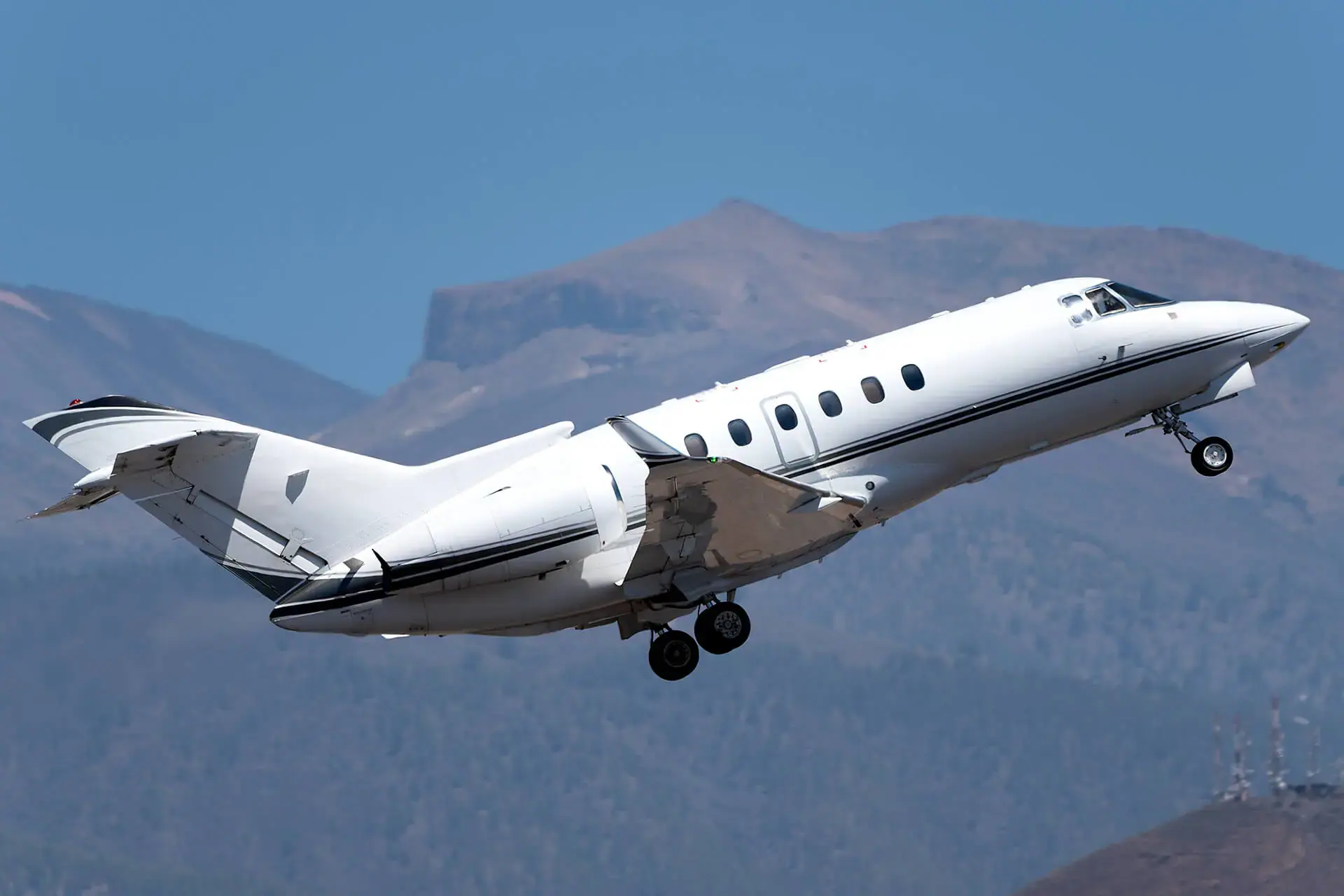
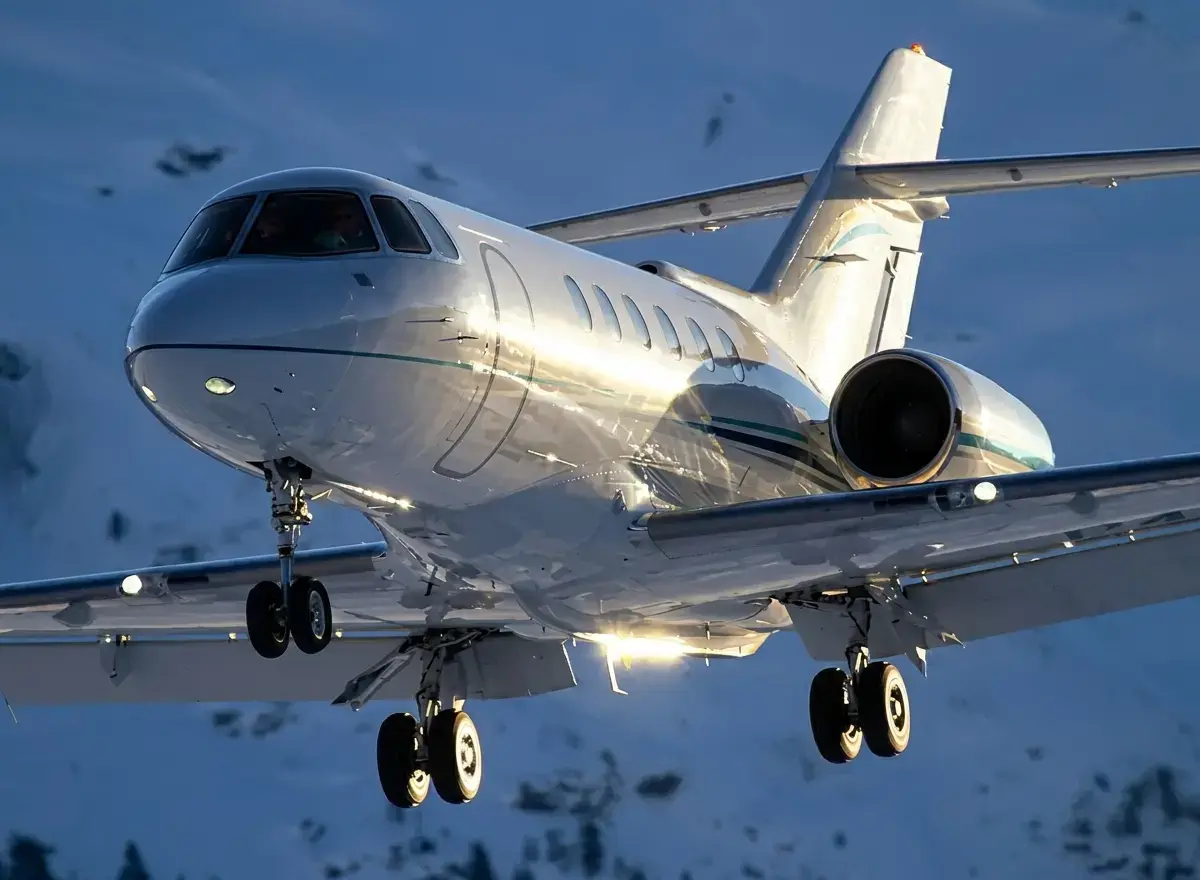
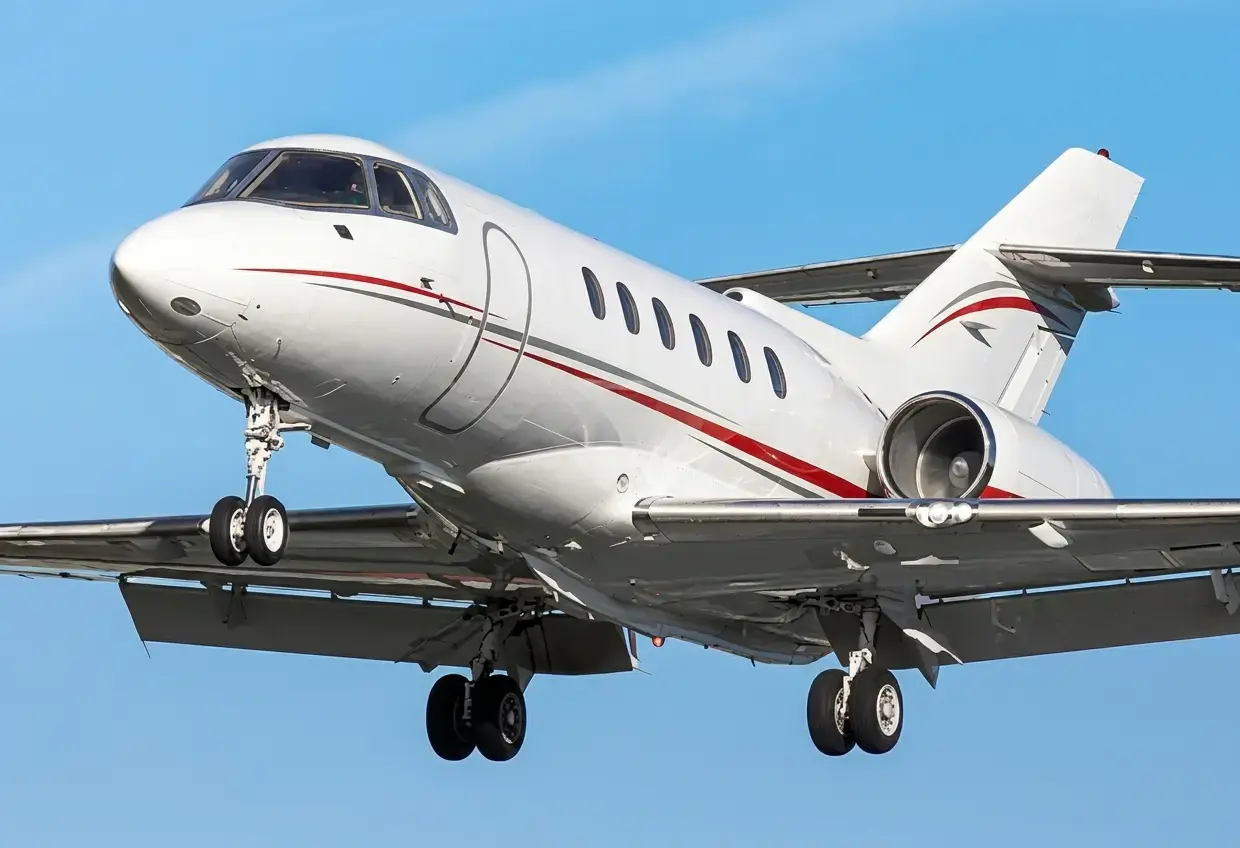
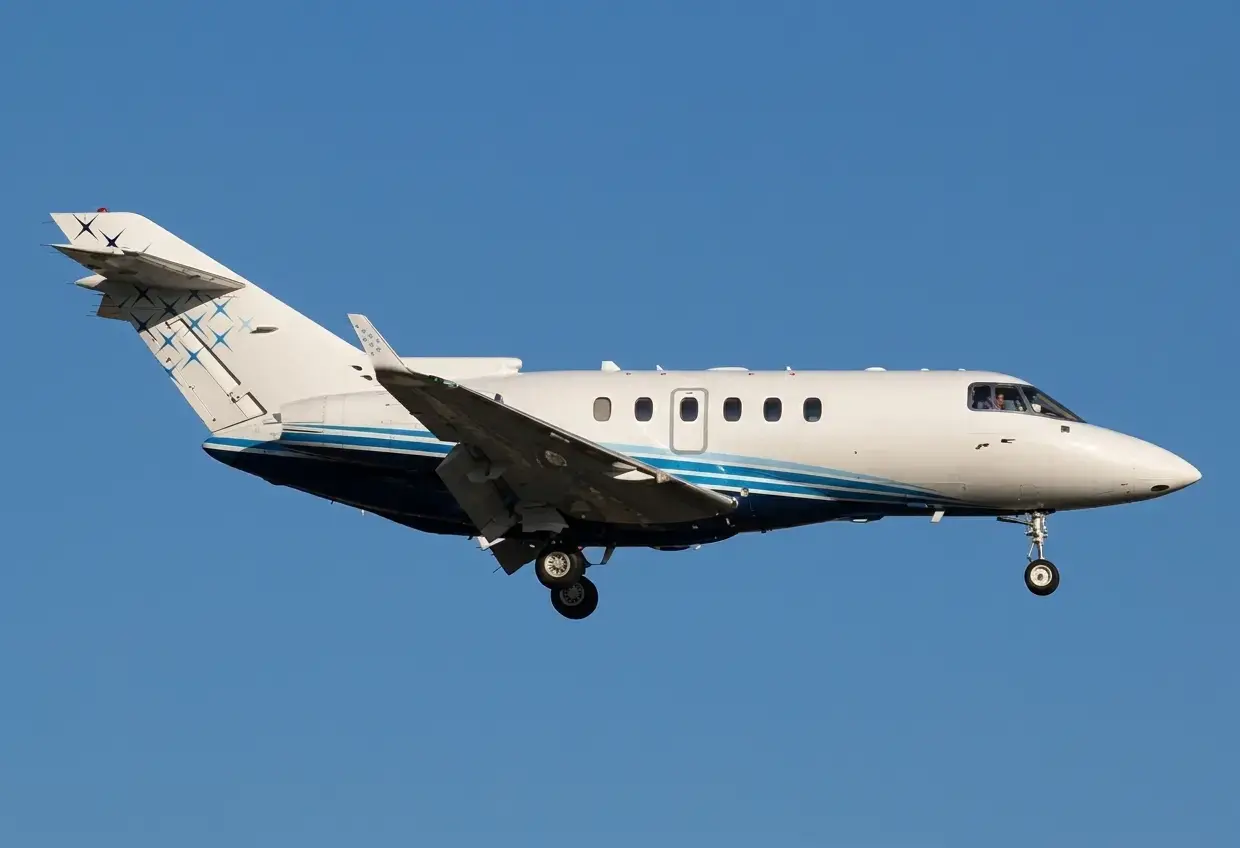
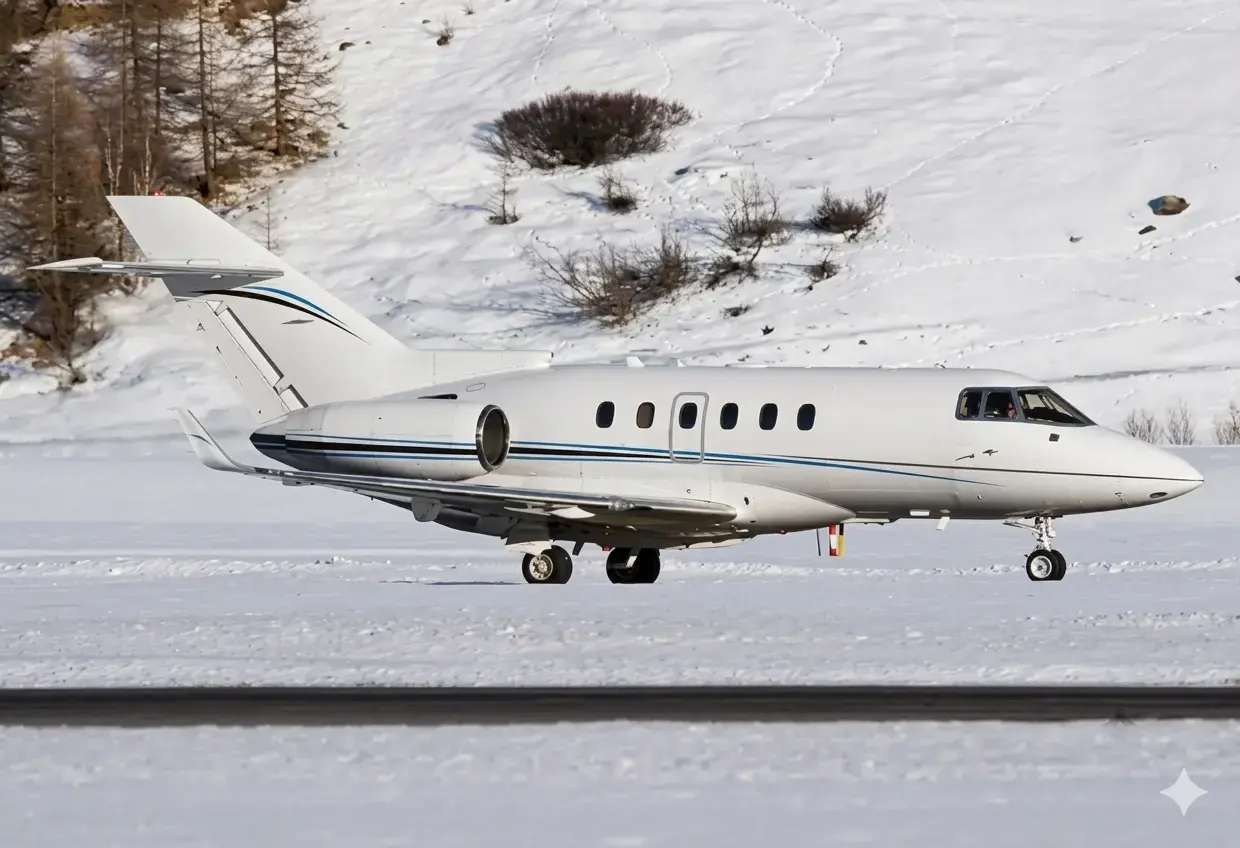
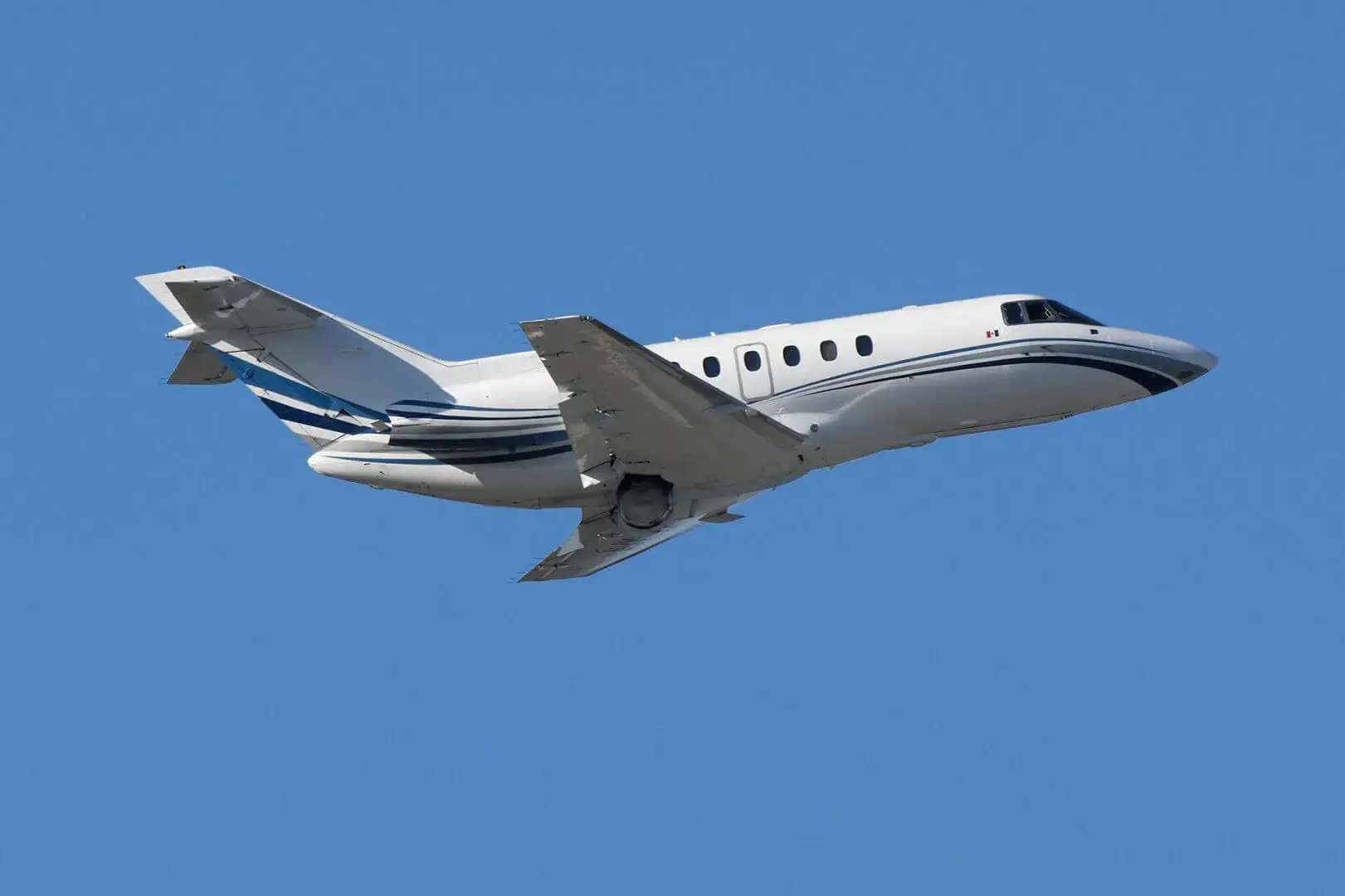
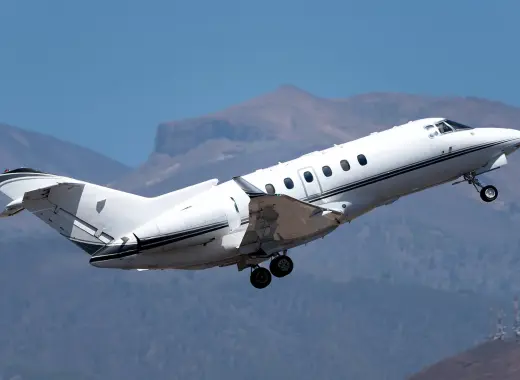

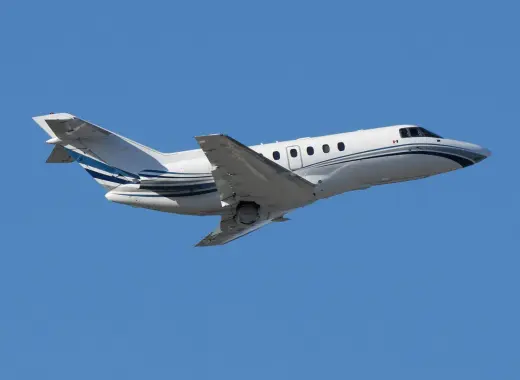
Choosing an executive private jet for frequently used corporate fleets involves a challenging analysis of operating expenses versus transcontinental reach. While many conventional midsize jets suffer significant performance issues when taking off from high-altitude runways on hot summer days, one aircraft stands out for its unique design created to tackle these challenges. Hawker Beechcraft 750
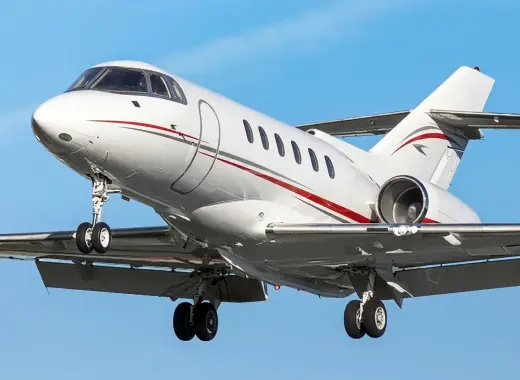
The Hawker Beechcraft 900XP is the epitome of refinement in the esteemed Hawker 125 series. By integrating a well-established fuselage with cutting-edge turbofan engines and enhanced aerodynamics, this jet offers a genuine solution for coast-to-coast travel that effectively combines the benefits of midsize jets with larger-cabin performance.
Exceptional Engineering Features of the Hawker Beechcraft 900XP
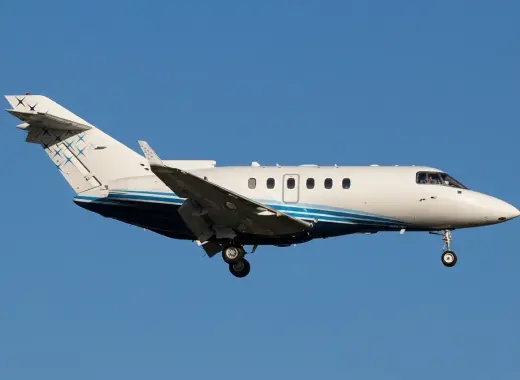
The aircraft's mechanical excellence is the result of its optimized airframe and aerodynamic improvements. Advancing from its predecessor, this jet incorporates factory-installed composite winglets with a polished leading edge, which significantly boosts aerodynamic efficiency.
These enhancements help minimize wingtip vortex drag, thereby increasing overall lift. As a result, the aircraft navigates turbulent air smoothly while reducing fuel consumption throughout all flight phases, making it a strong contender for long-haul regional missions.
Cutting-Edge Propulsion and Fuel Economy
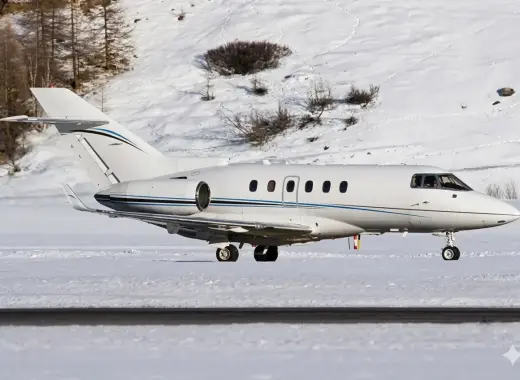
The ability to perform reliably in challenging weather is attributed to its advanced engines. The aircraft is outfitted with two Honeywell TFE731-50R turbofan engines, each capable of producing 4,660 pounds of thrust during takeoff. Unlike older engine models, these modern engines maintain peak thrust even at high altitudes.
For operators, this extra power means that the jet can ascend to its maximum cruising altitude of 41,000 feet in about 25 minutes, even with a full load at its maximum takeoff weight of 28,000 pounds.
Opulent Interior and Spacious Cabin
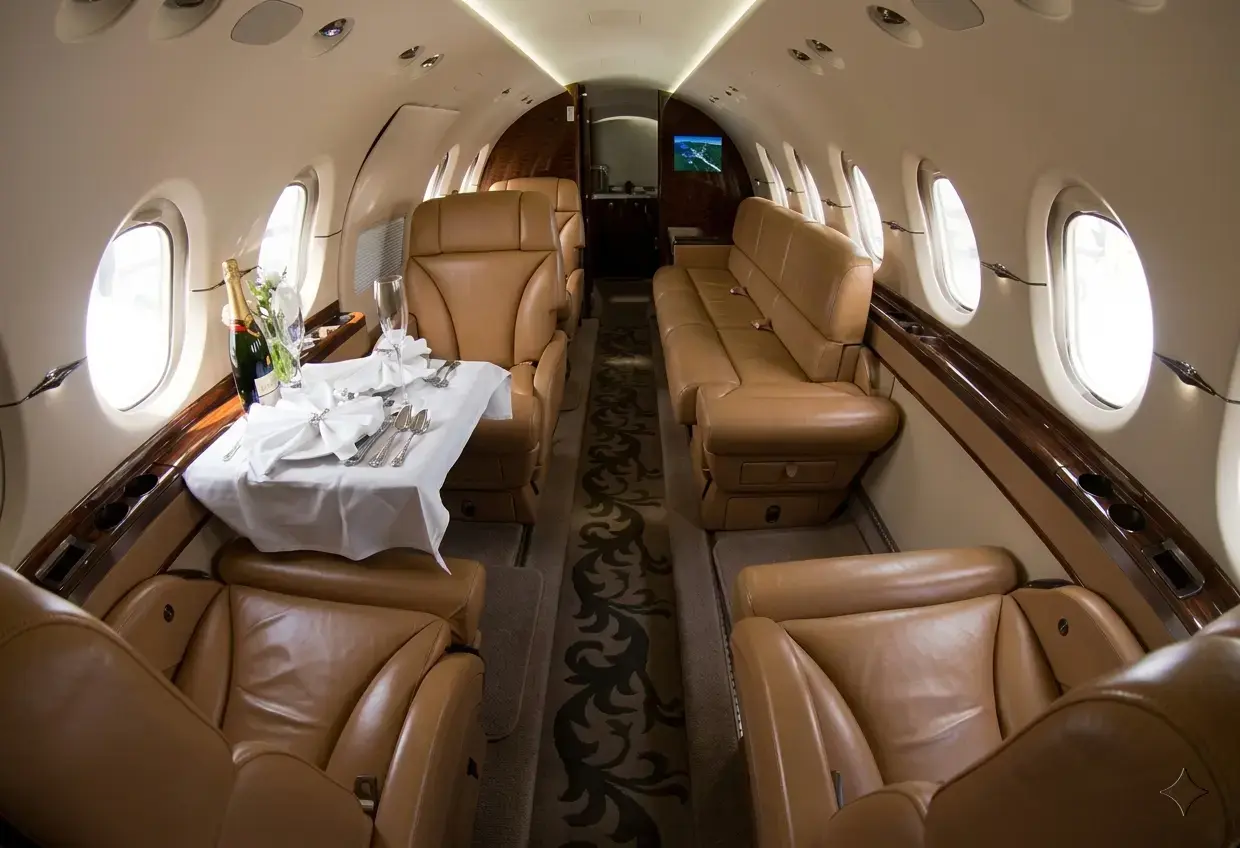
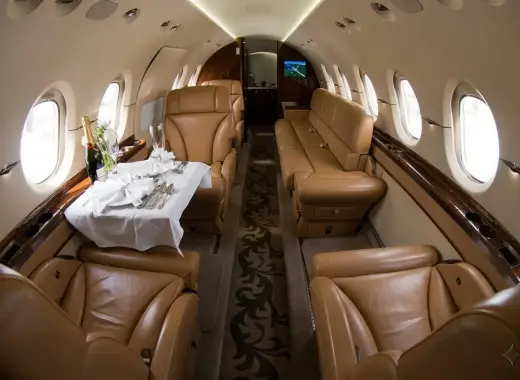
Passenger enjoyment and productivity are prioritized in the exceptionally spacious cabin design. The interior boasts a stand-up height of 5 feet 9 inches and a width of 6 feet, allowing for easy movement without the restrictions typical of lighter jets. The standard configuration accommodates up to eight passengers, featuring five fully adjustable executive seats that can swivel 360 degrees and a side-facing divan for three. A pressurized baggage compartment provides 50 cubic feet of storage space, ensuring that passengers can access their belongings throughout the flight.
Advanced Flight Deck with Pro Line 21 Avionics
The cockpit is designed to enhance crew efficiency and situational awareness through a user-friendly digital interface. Pilots utilize the Rockwell Collins Pro Line 21 avionics system, which consolidates essential flight information onto four high-resolution adaptive displays. This integrated flight deck includes sophisticated navigation tools like dual flight management systems, terrain awareness alerts, and enhanced ground proximity sensors. These automated systems significantly lessen pilot workload during busy approaches and adverse weather conditions.
Conclusion
The Hawker Beechcraft 900XP exemplifies effective corporate aviation design, optimizing efficiency while maintaining transcontinental capability. By utilizing advanced winglet aerodynamics and high-altitude Honeywell engines, it emerges as the ideal midsize jet for rigorous flight demands. Its signature stand-up cabin, extended 6,000-hour engine maintenance intervals, and dependable runway capabilities ensure its position as a highly desirable corporate asset for operators worldwide.
Frequently Asked Questions
What is the maximum non-stop flight range of the Hawker Beechcraft 900XP?
This aircraft has a maximum NBAA IFR flight range of around 2,825 nautical miles with four passengers, enabling non-stop travel across North America, such as from New York to Seattle.
How does the engine design of the Hawker 900XP differ from the older 850XP model?
The 900XP is equipped with modern Honeywell TFE731-50R engines, in contrast to the older models used in the 850XP. The 50R engines maintain thrust more effectively at higher altitudes and warmer temperatures, allowing the 900XP to reach 41,000 feet while extending the maintenance interval to 6,000 hours.
What are the required takeoff and landing distances for this private jet?
At maximum takeoff weight under standard sea-level conditions, the jet requires a takeoff field length of about 4,965 feet and can land safely within a distance of 2,280 feet.
Where is the baggage compartment situated, and can it be accessed while in flight?
The 50 cubic feet of baggage capacity is located within the aircraft's cabin, allowing passengers to easily open and retrieve items from their luggage at any time during the flight.
What specific avionics suite is installed in the cockpit?
The jet comes with the Rockwell Collins Pro Line 21 avionics suite, which features four large electronic displays integrating primary flight data, situational maps, weather radar, and built-in terrain safety alerts.