








To optimize an executive fleet for efficiency, an aircraft must flexibly handle unconventional flight patterns without compromising the comfort typical of midsize jets. Unlike conventional light jets, which are limited to long, smooth runways at major airports, innovative manufacturers are rethinking aircraft design. Dassault Falcon 100
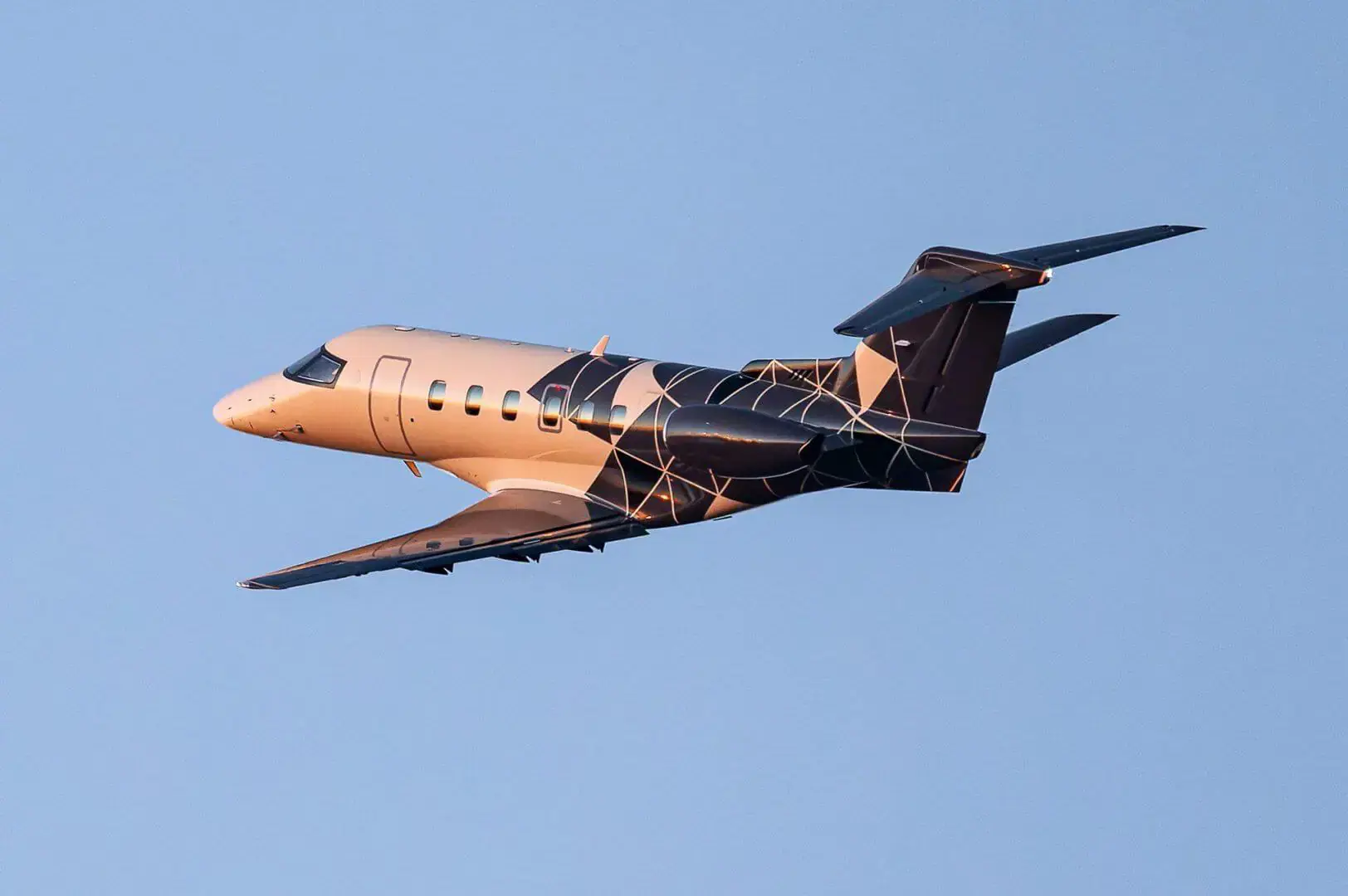
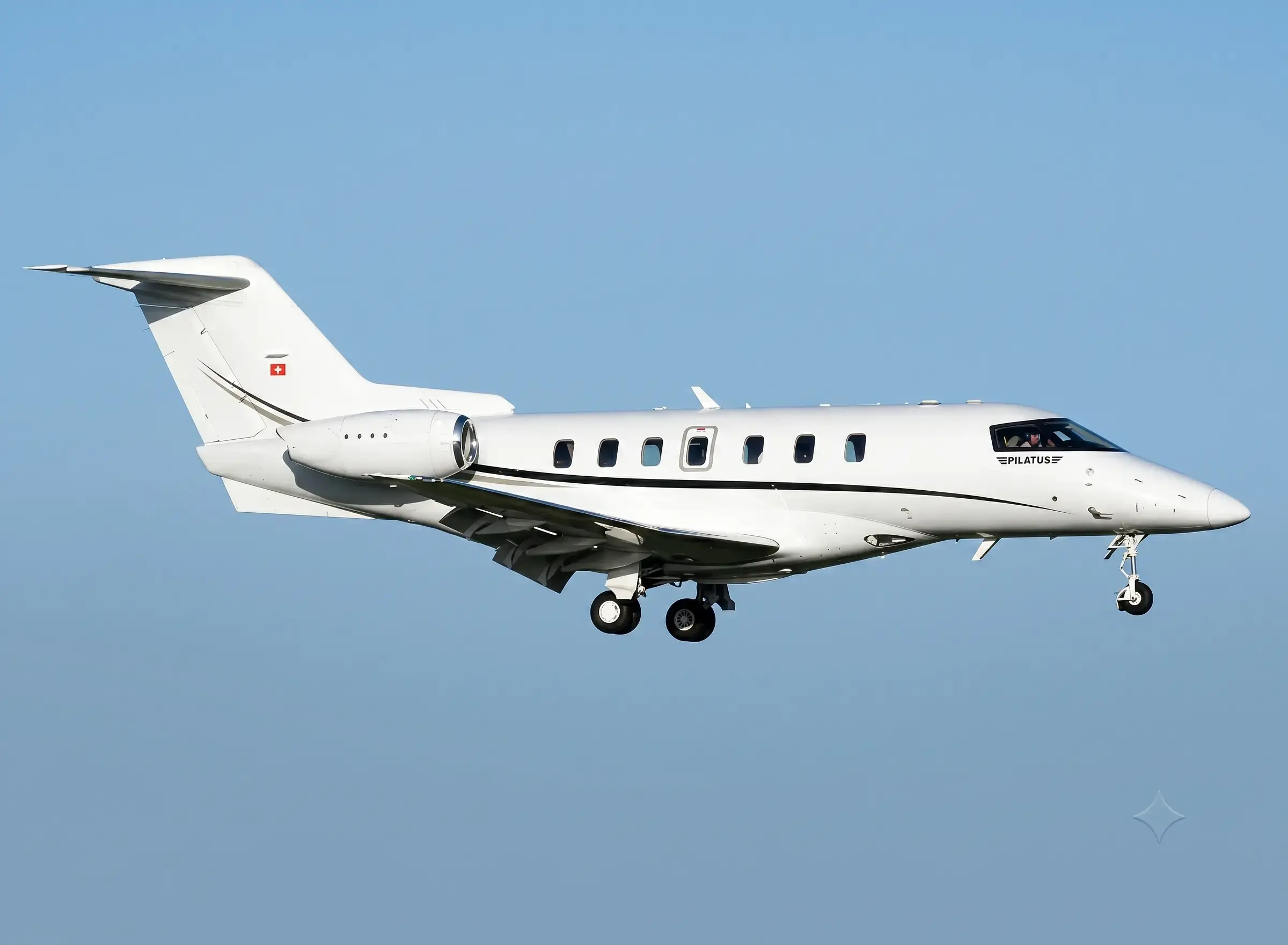
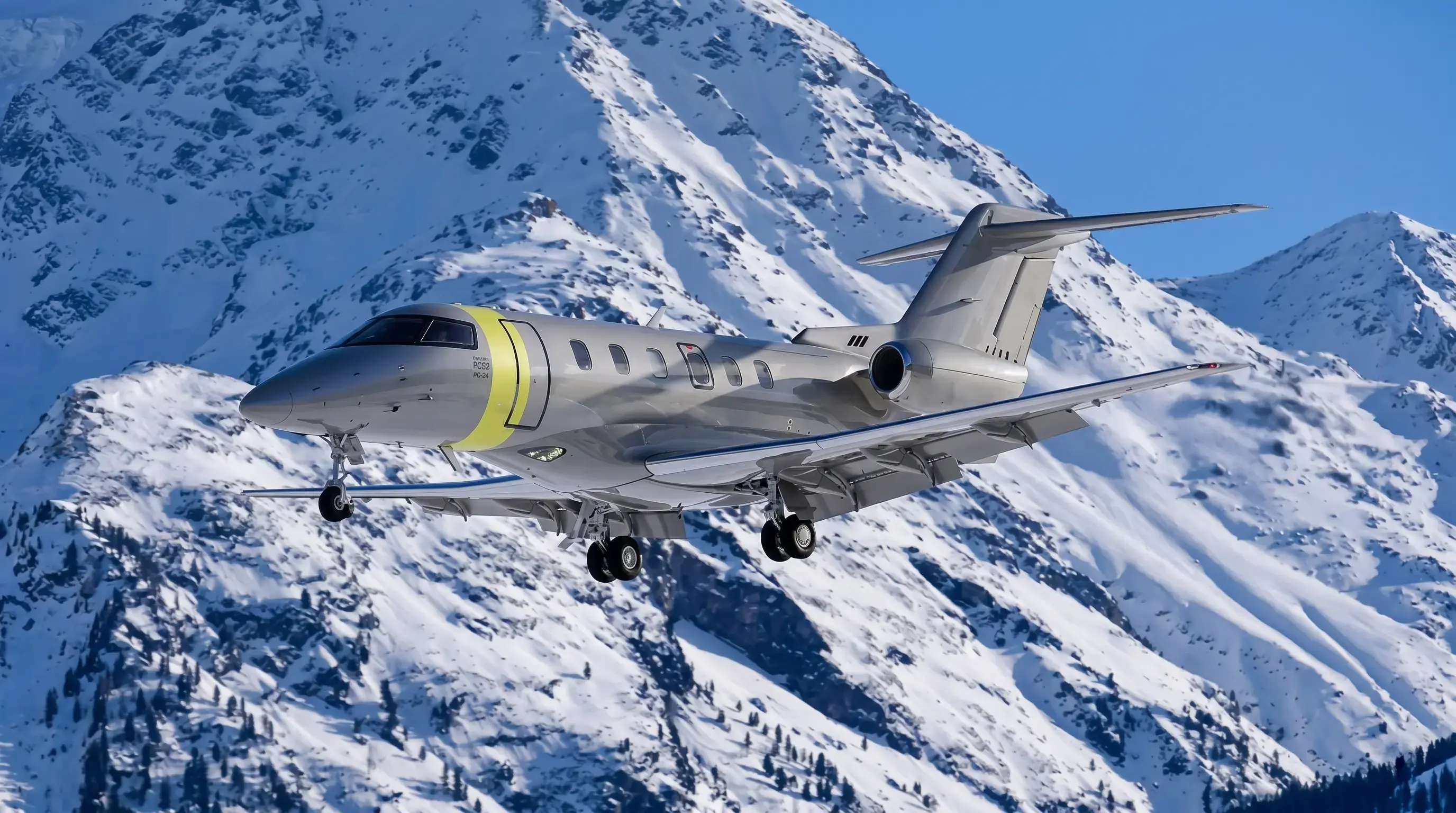
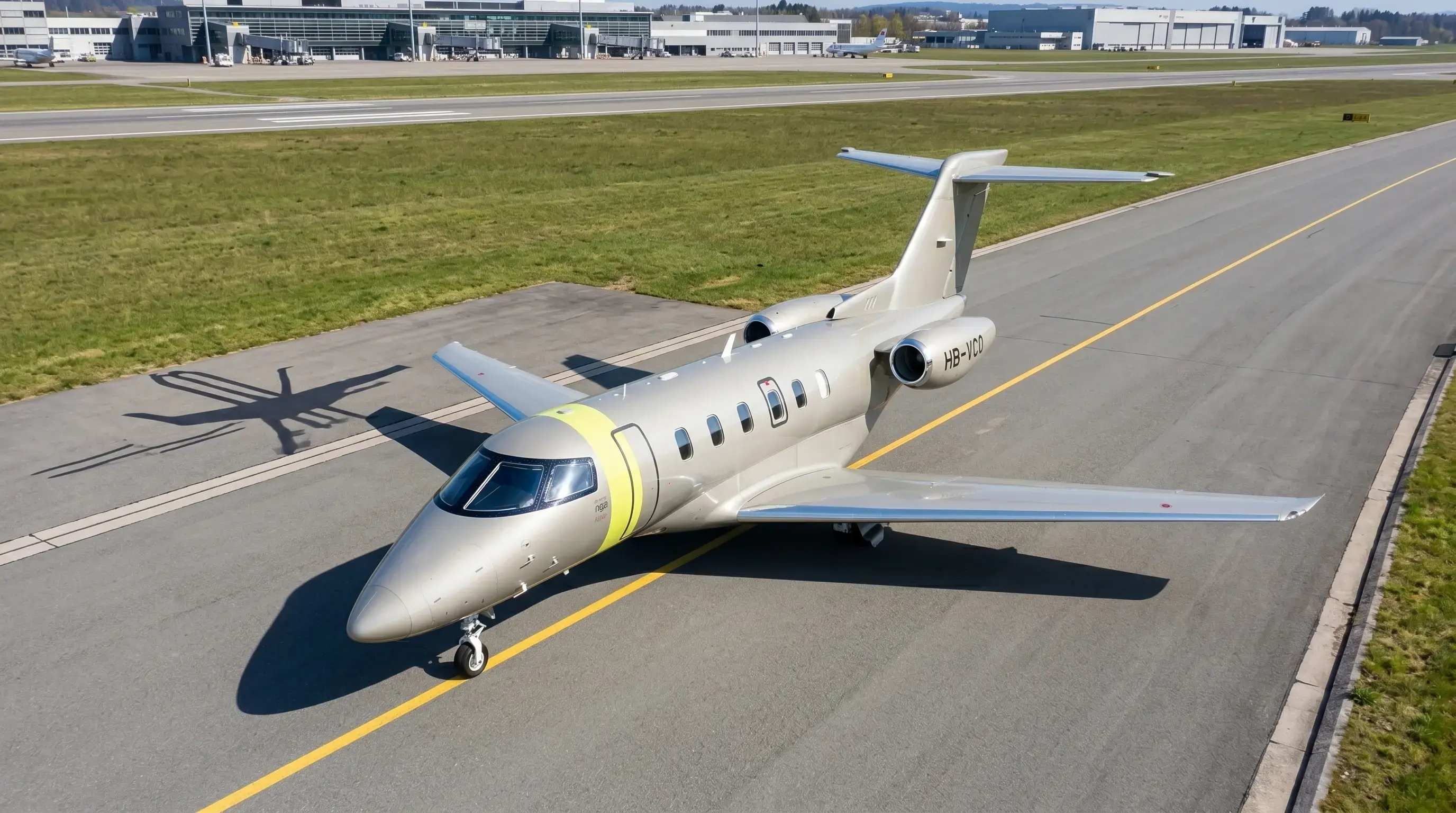
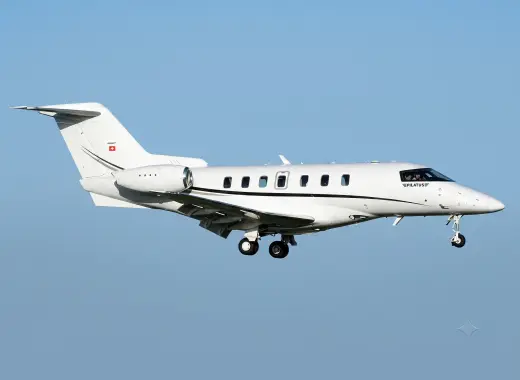
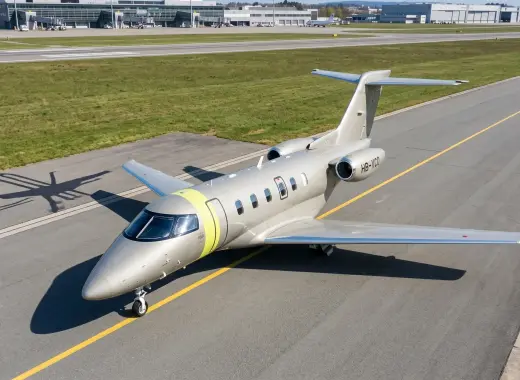
The Pilatus PC-24 uniquely positions itself as a groundbreaking aircraft that redefines traditional boundaries. Marketed by its Swiss manufacturer as the world's first "Super Versatile Jet," this twin-engine marvel marries the rugged off-road capabilities of a turboprop with the near-sonic speed and ample interior space of a midsize corporate jet.
Off-Road Landing Gear Engineering
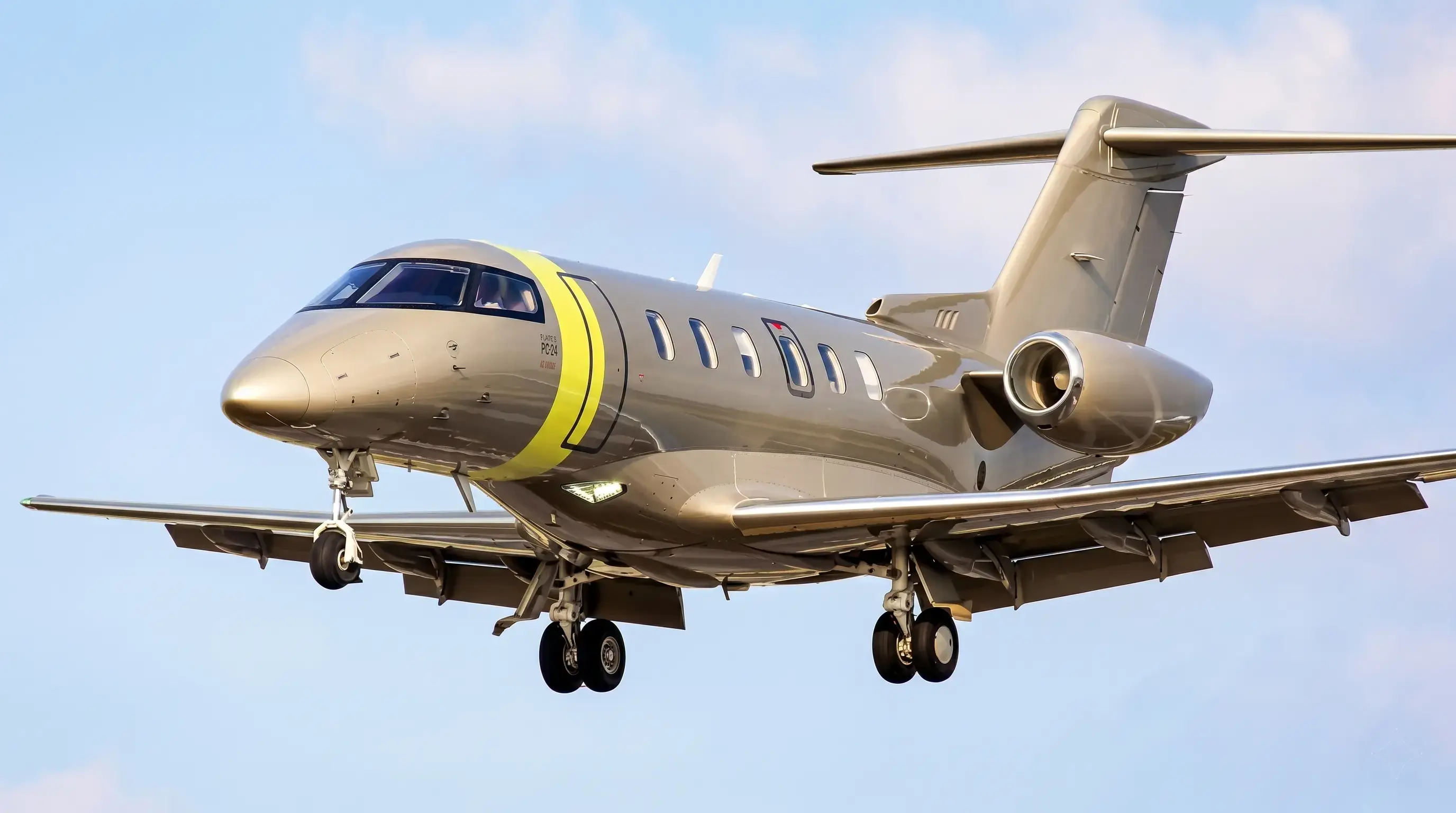
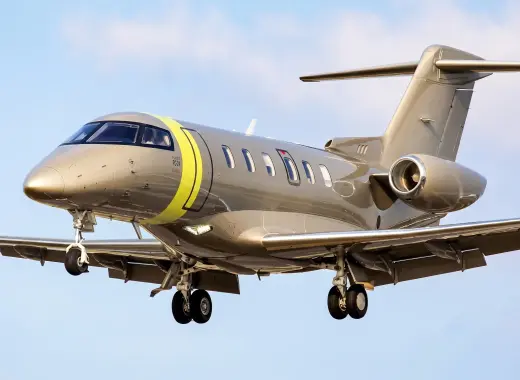
The physical design of the PC-24 is specifically engineered to endure demanding operations on non-conventional airstrips worldwide. Its robust trailing-link main landing gear features low-pressure dual wheels that keep the airframe from sinking into soft surfaces.
This advanced system allows for safe landings on unpaved terrain such as compacted dirt, dry grass, and rough gravel, significantly broadening its operational scope to over 21,000 regional airports. Furthermore, specialized protective shields and replaceable surfaces around the wing flaps guard the rear-mounted engines against debris during high-speed ground operations.
Superior Aerodynamics and Short-Field Performance
With carefully designed wing structures and modern engines, the PC-24 delivers dependable takeoff power and remarkable slow-speed stability. Each of the two Williams International FJ44-4A turbofan engines provides a powerful normal takeoff thrust of 3,420 pounds.
The jet’s double-slotted flap system enhances lift, resulting in an impressively low stall speed of just 83 knots. This unique aerodynamic design enables the aircraft to take off in a field length of only 2,930 feet at maximum weight, allowing corporate crews to navigate short runways with obstacles safely, something that constrains other light jets.
Interior Design and Cargo Capacity
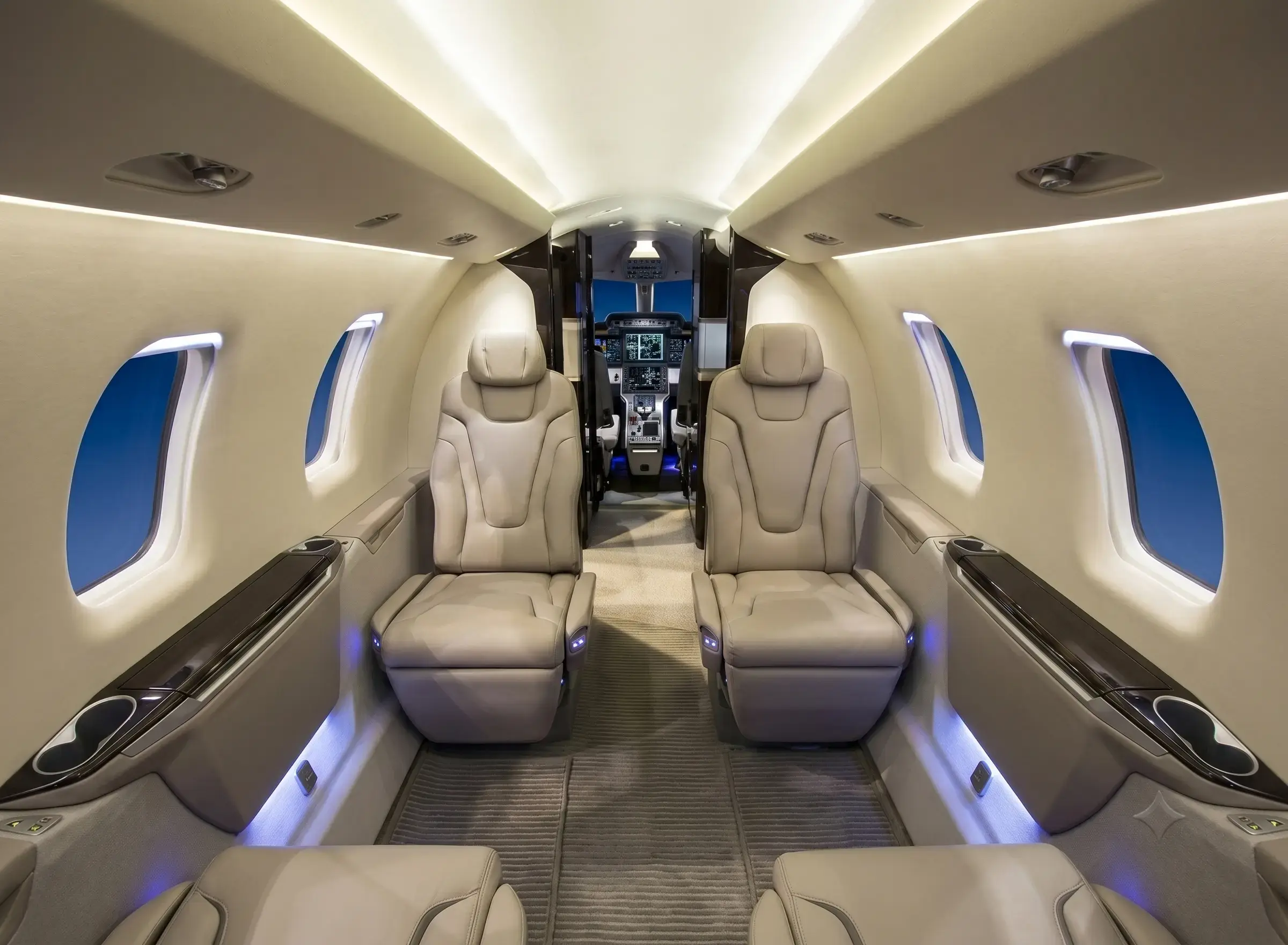
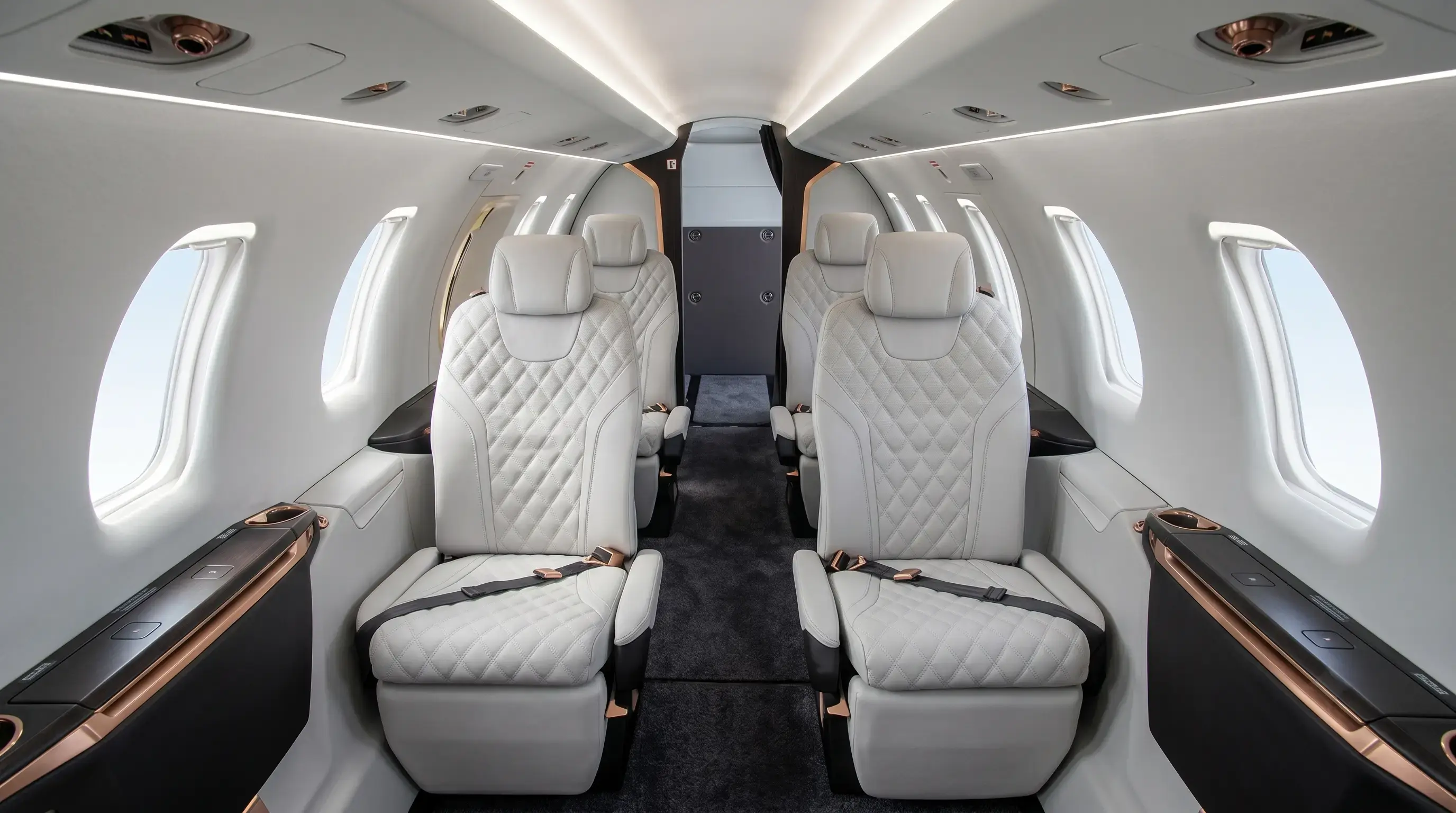
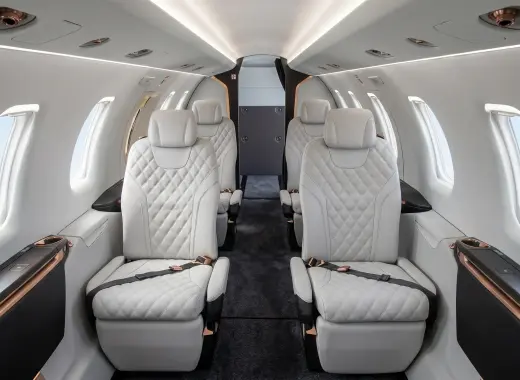
The PC-24's modern, modular cabin seamlessly integrates luxury and functionality for passenger and cargo needs. The fuselage features an uninterrupted flat floor offering a standing height of 5 feet 1 inch and a width of 5 feet 7 inches, allowing significantly more movement room than traditional curved frames.
The standard layout accommodates eight passengers in plush, easily adjustable leather seats that slide toward the aisle for added comfort. A noteworthy feature is its massive rear cargo door, measuring 51 by 49 inches, enabling easy loading of bulky items such as luggage, motorcycles, or medical stretchers into the pressurized aft baggage compartment.
Advanced Cockpit Automation and Safety
The flight deck prioritizes safety, reduced pilot workload, and efficient single-pilot operation under complex instrument flight rules. Pilots use the Advanced Cockpit Environment avionics suite, which displays crucial subsystem information over four large, twelve-inch screens.
This integrated flight deck includes automated autothrottles, a synthetic vision tracking function, and advanced graphical flight planning features. Additionally, the unique Quiet Power Mode on the right engine operates as an auxiliary power unit on the ground, maintaining cabin climate control efficiently and quietly without consuming excessive fuel.
Conclusion
The Pilatus PC-24 exemplifies cutting-edge Swiss aviation engineering, marrying short-field capability with impressive cargo utility — qualities unmatched in the light jet category. By making informed structural choices and developing heavy-duty landing gear, this aircraft successfully links rural areas with major international hubs. Its innovative flat-floor design, large cargo door, and sophisticated avionics keep it in high demand for corporate fleets, air ambulance services, and governmental transport missions worldwide.
Frequently Asked Questions
What is the maximum flight range of the Pilatus PC-24?
This aircraft boasts a maximum NBAA IFR range of about 2,040 nautical miles when carrying four passengers and a pilot, allowing non-stop flights for up to 4.5 hours, effectively connecting cities like Los Angeles to Chicago or London to Istanbul.
Can this private jet land on unpaved runways?
Yes, it is fully certified for takeoffs and landings on unpaved surfaces, including smooth gravel, dirt, and grass runways. Its rugged landing gear and dual wheels are designed to handle rough regional terrain without risk of structural damage.
What are the runway requirements for takeoff and landing?
Under standard sea-level conditions at maximum weight, the jet needs a surprisingly short takeoff distance of approximately 2,930 to 3,090 feet, and it can come to a full stop within a landing distance of about 2,410 feet.
What is unique about the baggage compartment?
Equipped with a factory-installed rear cargo door measuring 4.25 feet wide and 4.1 feet tall, the PC-24 allows operators to load large cargo pallets and heavy equipment directly into its 90-cubic-foot pressurized baggage area — an unprecedented feature in light jets.
What is the Quiet Power Mode on the Williams engines?
Quiet Power Mode is a specialized engine setting that lets the right-hand Williams International engine provide electrical power and run the cabin air conditioning. At the same time, the aircraft is stationary, operational very quietly and efficiently without consuming much fuel or needing an external power unit.