







For flight departments with demanding schedules, the speed and high-altitude performance of an aircraft are crucial for maximizing efficiency. While many typical midsize business jets may lag in climb performance and operational limits, a select few models are crafted to ascend above commercial flight paths and adverse weather swiftly. Cessna Citation VII
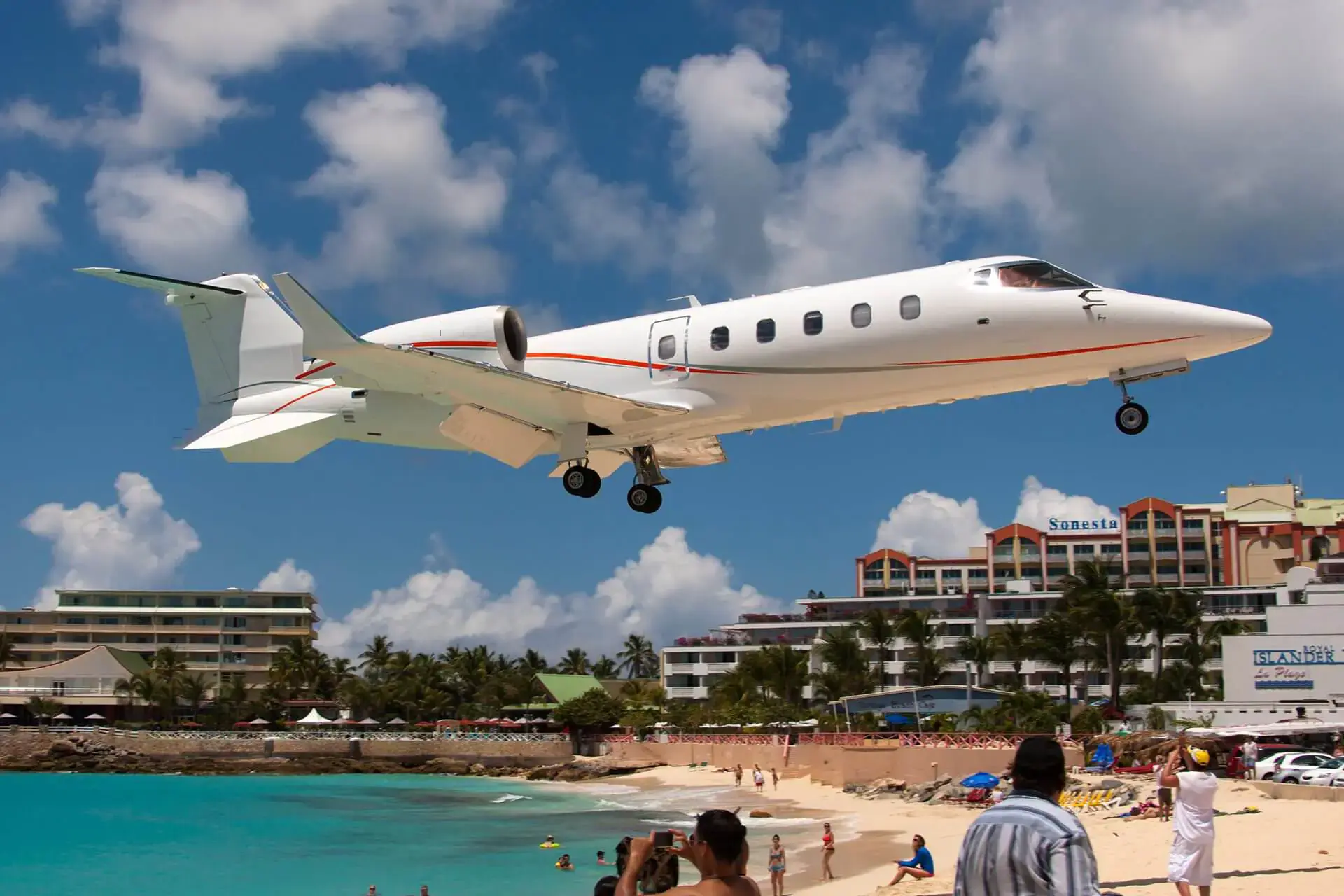
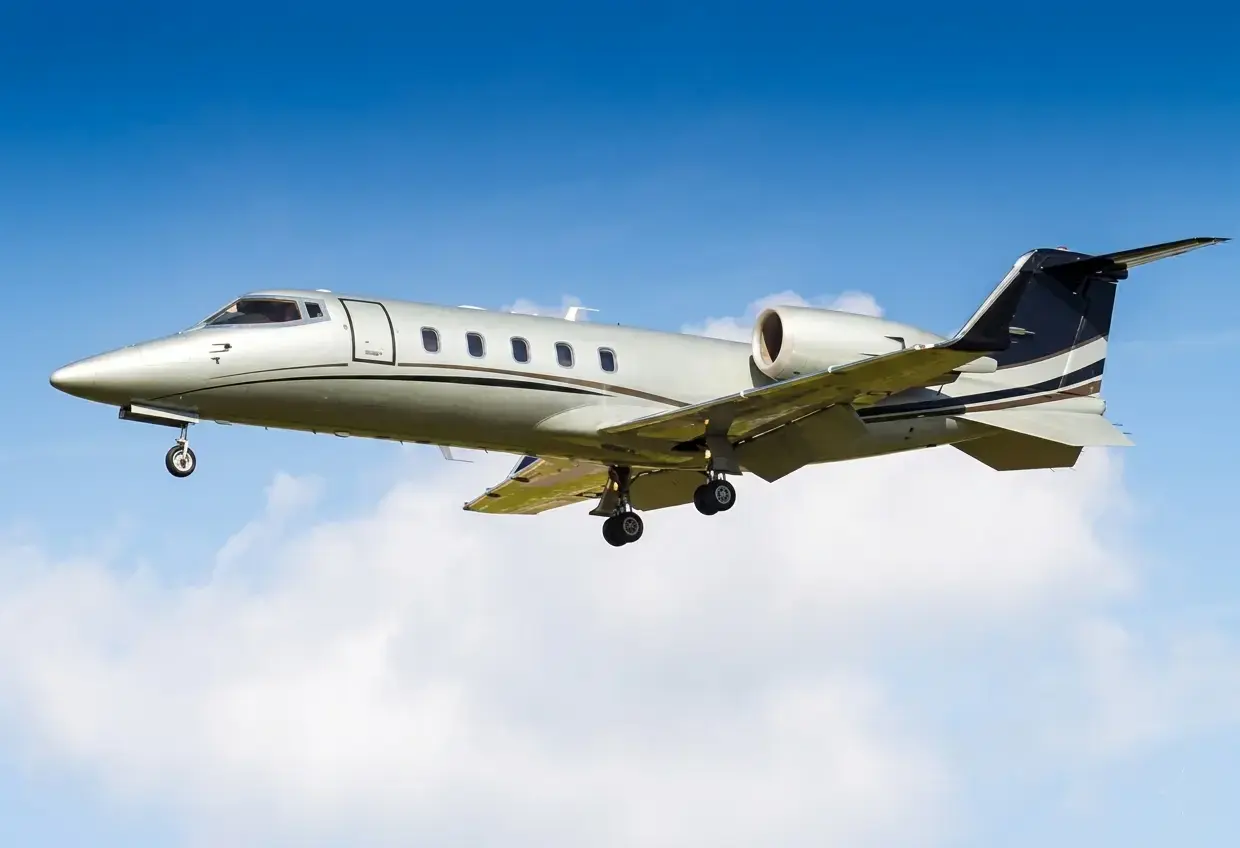
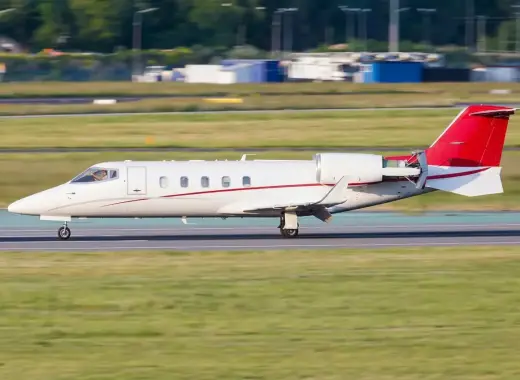
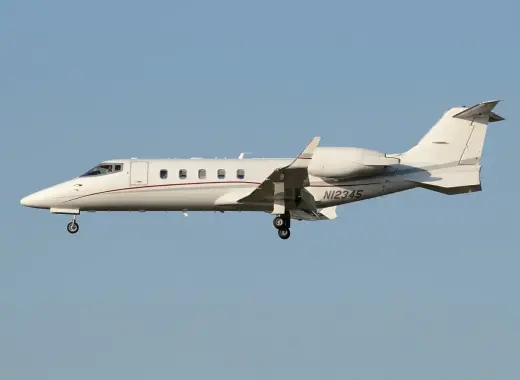
The Bombardier Learjet 60 / 60XR exemplifies excellence in high-performance private aviation. Drawing from the venerable aerodynamic heritage of the Learjet lineage, this twin-engine jet offers a remarkable range alongside the quickest climb rates in its category, making it ideal for executives needing rapid regional or continental travel.
Unparalleled Power and Performance of the Bombardier Learjet 60 / 60XR
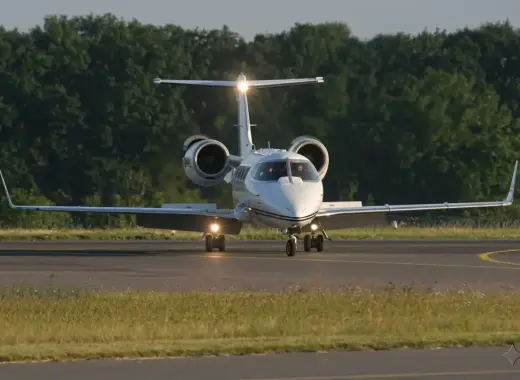
The aircraft's mechanical prowess stems from its aerodynamic enhancements and outstanding power-to-weight ratio. It features two Pratt & Whitney Canada PW305A turbofan engines, each producing an impressive 4,600 pounds of thrust.
This substantial power enables it to reach an initial cruising altitude of 41,000 feet in under nineteen minutes, even at maximum takeoff weight. By swiftly ascending past turbulent lower-altitude weather, the Learjet optimizes fuel consumption, averaging just 204 gallons per hour while cruising smoothly at its ceiling of 51,000 feet.
Streamlined Aerodynamics and High-Speed Travel
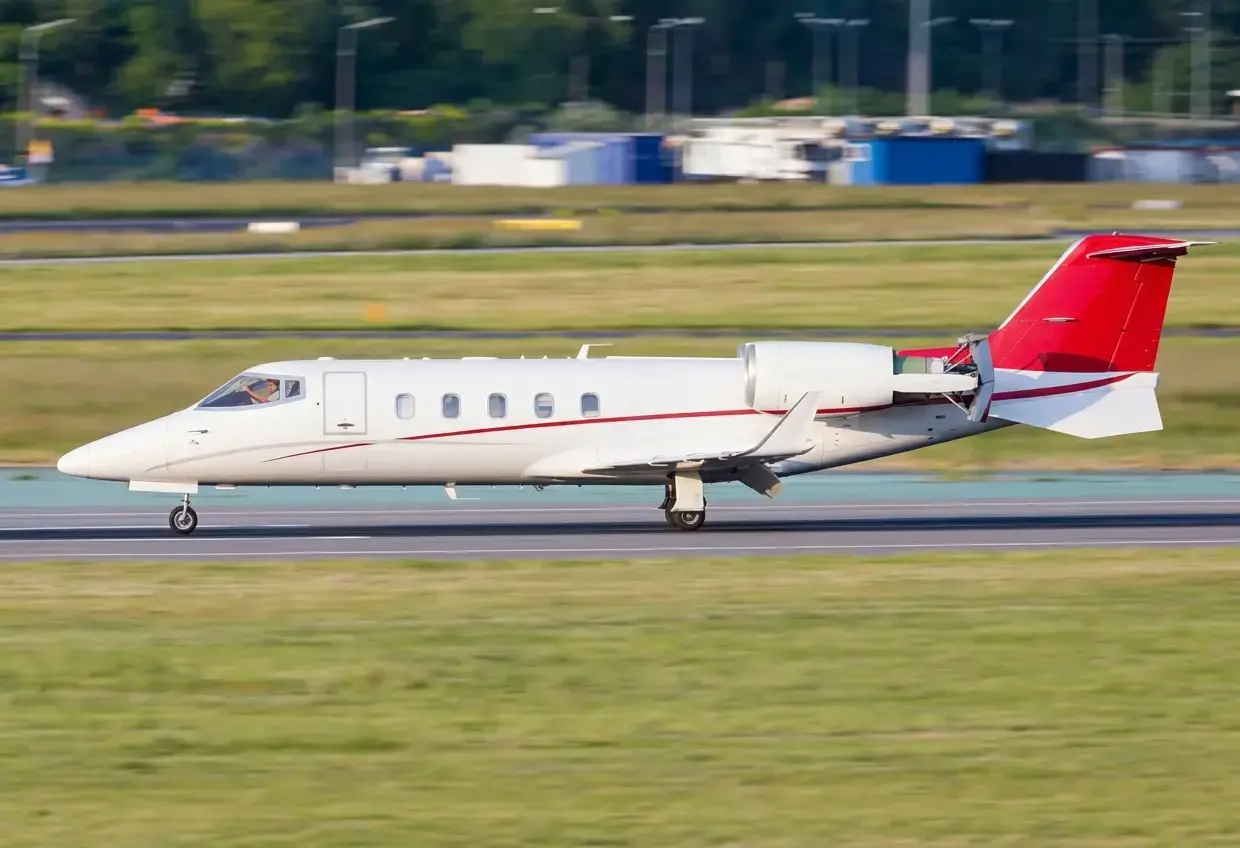
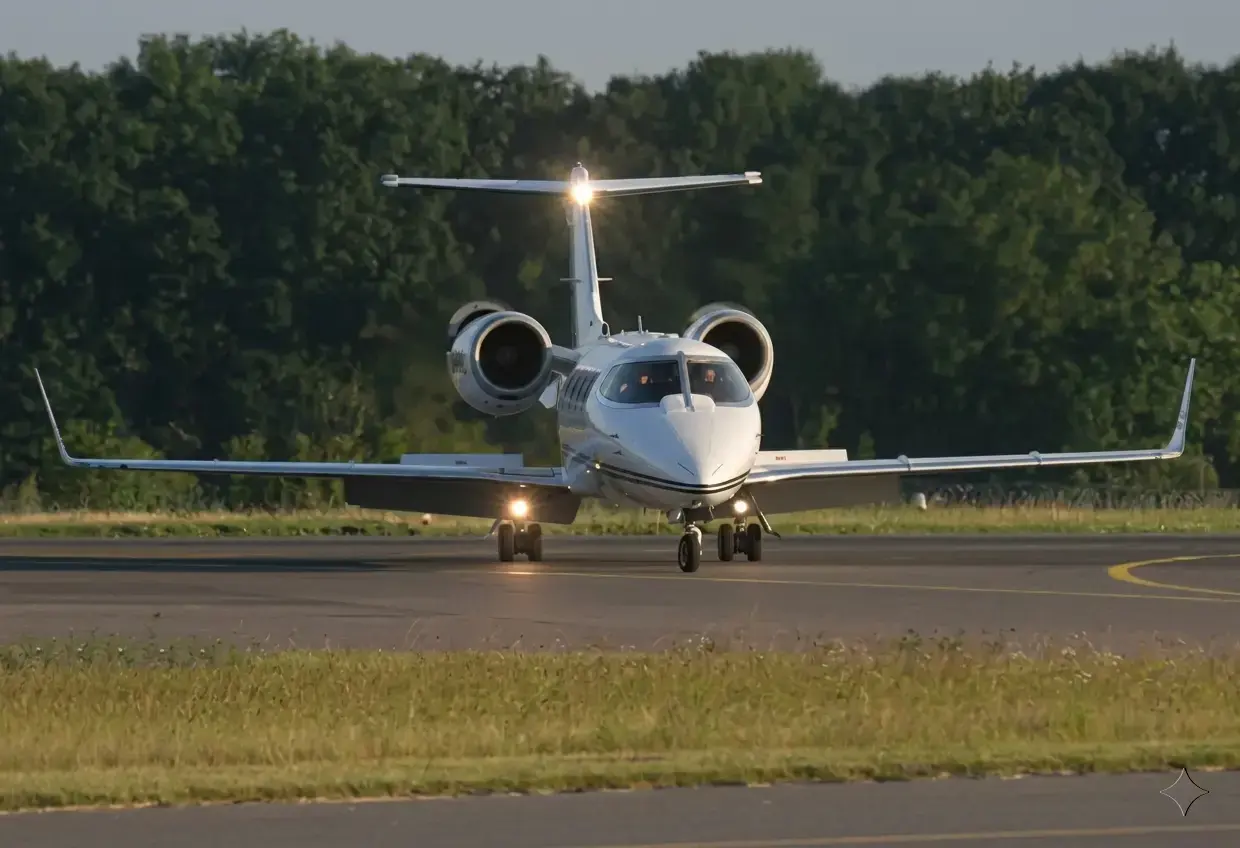
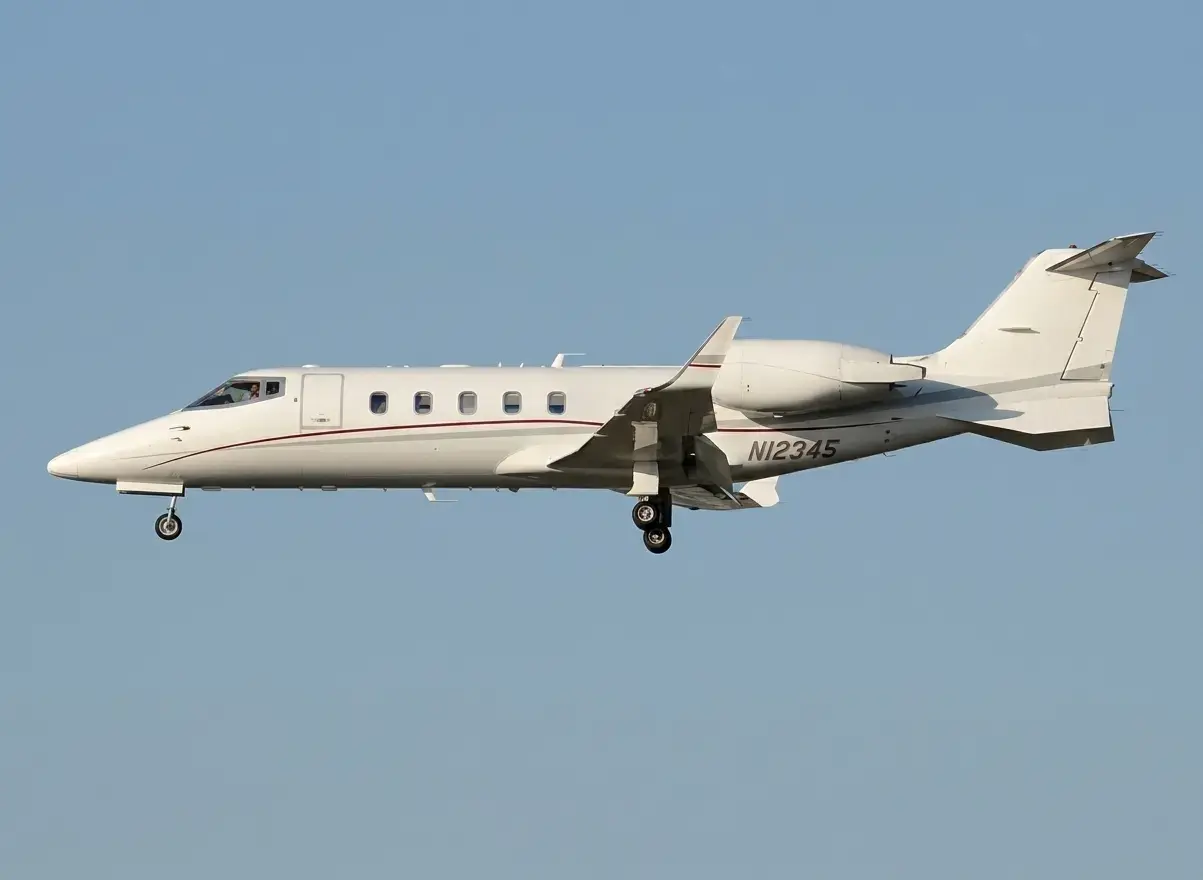
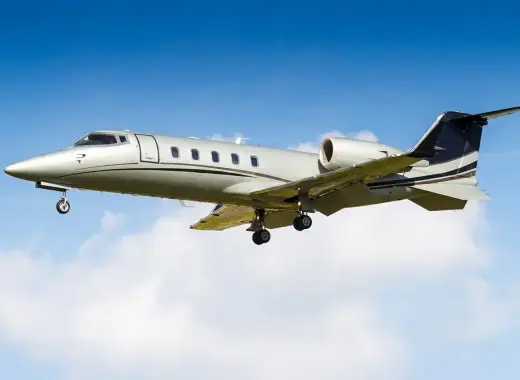
The design of the aircraft is meticulously engineered to minimize drag at high speeds and enhance stability during extended regional flights. It showcases a stretched fuselage, cutting-edge ogive winglets, and specialized wing cuffs that significantly boost airflow efficiency.
This precision calibration allows the business jet to achieve a maximum cruise speed of Mach 0.81, equivalent to about 526 miles per hour. Additionally, robust ventral fins on the lower rear fuselage contribute to exceptional stability at higher speeds, ensuring a comfortable ride for passengers.
Enhanced Cabin and Galley Experience
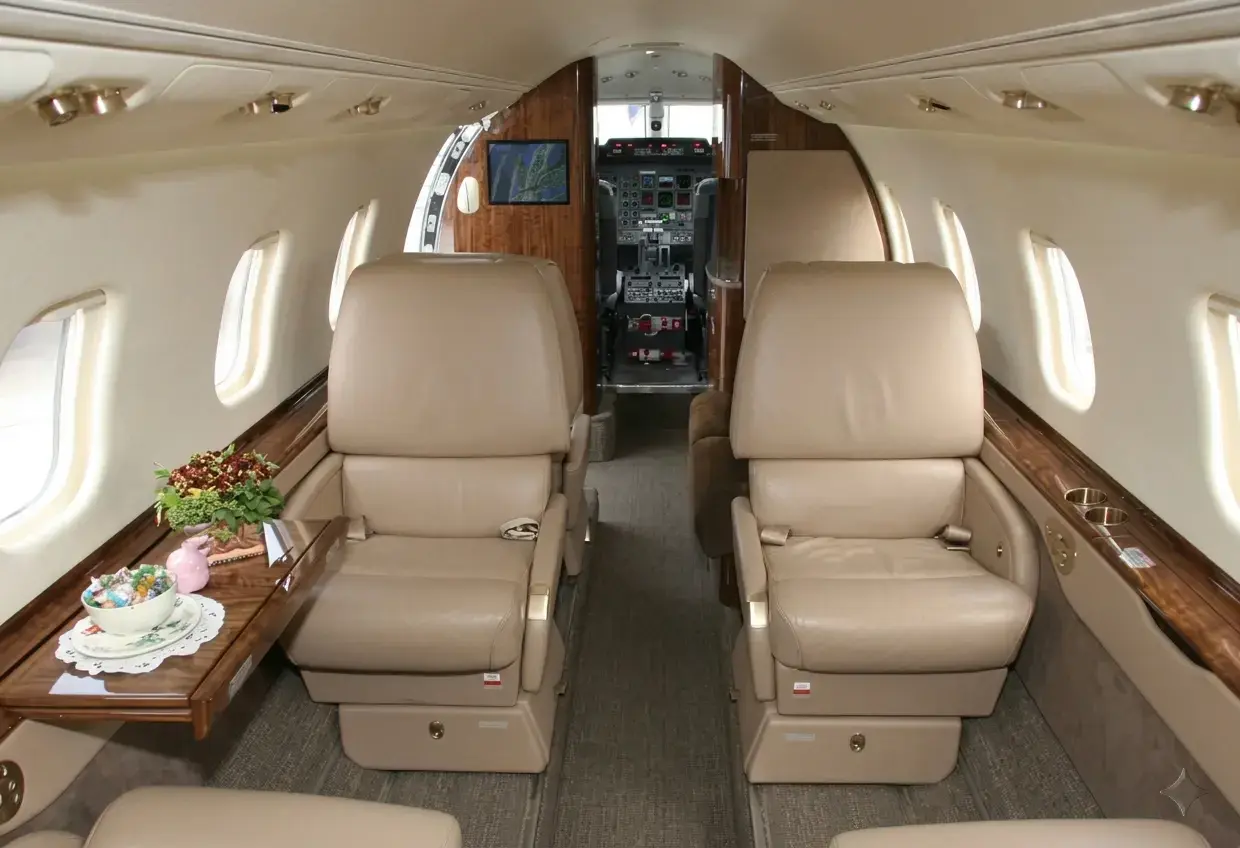
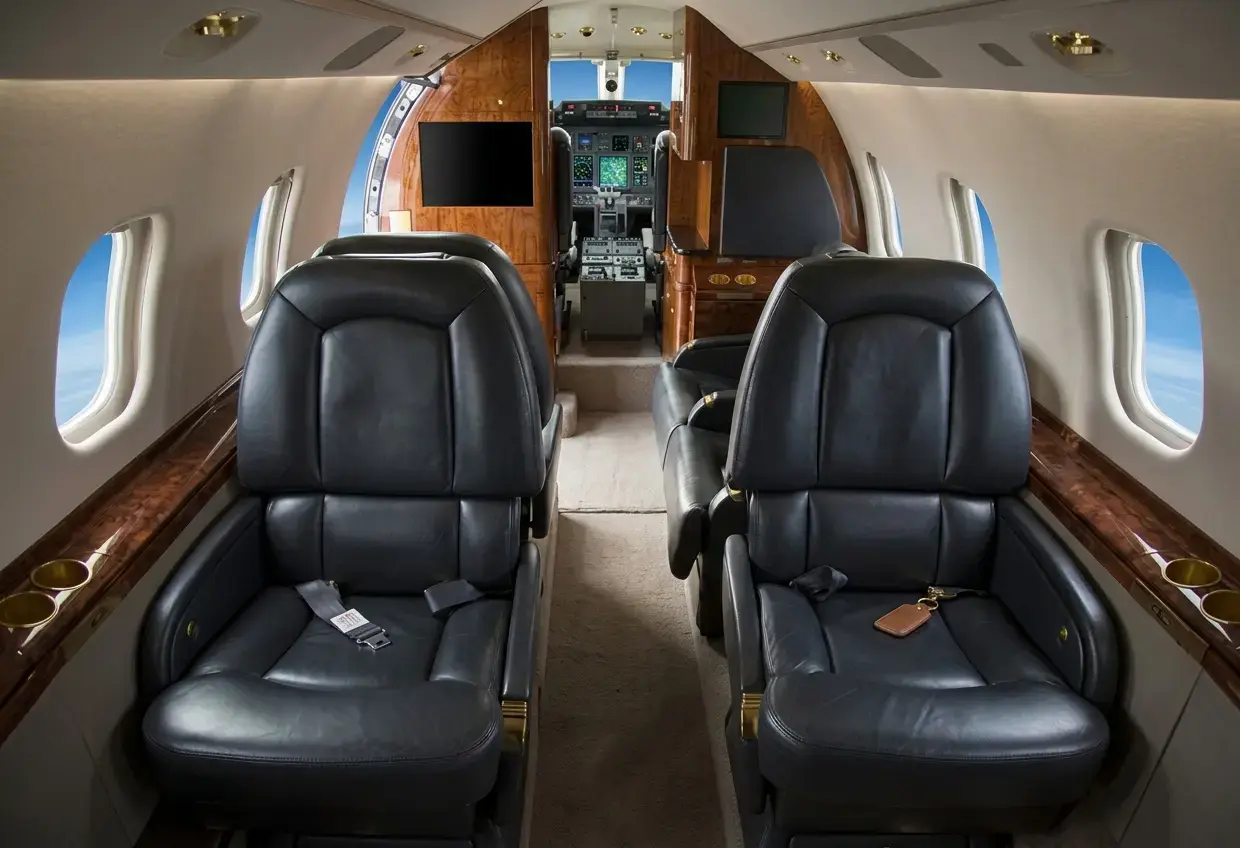
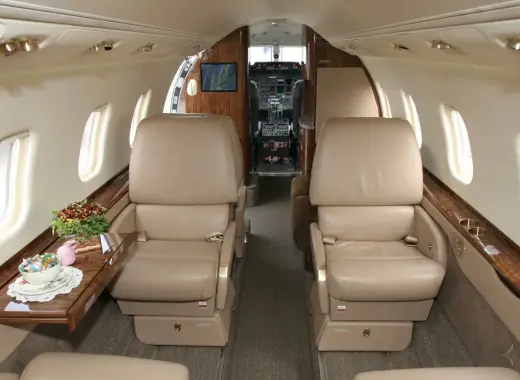
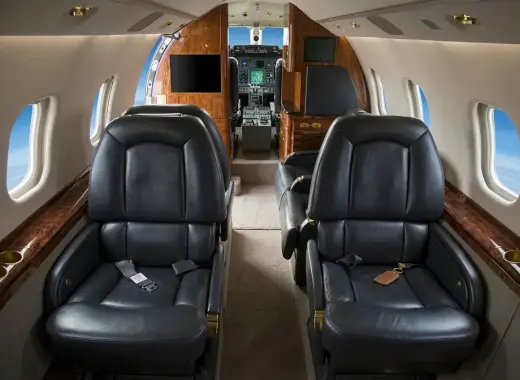
Passenger comfort and workspace functionality are key elements in the thoughtfully designed, highly insulated interior. Featuring a drop-aisle layout, the cabin offers a standing height of 5 feet 8 inches and a width of 5 feet 11 inches for added comfort. The standard configuration seats seven to eight passengers, typically arranged in a four-place club setting at the rear, with a forward two-place divan and a spacious executive chair.
The upgraded XR variant significantly enhances the cabin experience with a larger forward refreshment area, an advanced cabin management system, and improved sound insulation for a quieter environment.
Advanced Cockpit and Crew Support
The cockpit is expertly designed around automated safety features to enhance pilot awareness and reduce crew fatigue. While the original model used a reliable digital system, the upgraded XR includes the premium Rockwell Collins Pro Line 21 avionics suite with four large-format displays.
This integrated cockpit features dual flight management systems, electronic charts, and advanced weather radar, providing the two-pilot crew with real-time navigation data for precise approaches into busy international airports.
Conclusion
The Bombardier Learjet 60 / 60XR embodies cutting-edge engineering, merging midsize cabin luxury with near-sonic speeds. By equipping efficient Pratt & Whitney turbofans with a highly refined airframe, this aircraft has become an indispensable tool for time-critical business transportation. Its exceptional climb rate, impressive altitude capabilities, and advanced cockpit technology solidify its reputation as a trusted executive jet in the global aviation market.
Frequently Asked Questions
What is the maximum non-stop flight range of the Bombardier Learjet 60XR?
The jet offers an NBAA IFR range of about 2,405 nautical miles when accommodating four passengers and a standard crew, enabling non-stop corporate flights across North America, such as from Chicago to Los Angeles.
How does the standard Learjet 60 compare to the upgraded Learjet 60XR?
The key differences lie in internal technology and cabin design. The 60XR replaces older avionics with an all-digital Rockwell Collins Pro Line 21 flight deck, features a redesigned interior with an expanded galley, and introduces an updated cabin management system for enhanced passenger convenience.
What runway lengths are necessary for takeoff and landing?
Under standard sea-level conditions at maximum takeoff weight, the jet requires about 5,920 feet for takeoff. Upon landing, it can safely stop within a distance of approximately 3,190 feet.
How much luggage can this private jet accommodate?
The aircraft offers a total of 59 cubic feet of dedicated baggage space, split between an accessible internal coat closet and a pressurized rear compartment, allowing for the secure storage of six to eight standard suitcases.
Why is the climbing capability of this aircraft regarded as legendary?
Its remarkable power-to-weight ratio, supported by powerful Pratt & Whitney engines, enables a climb rate of approximately 4,500 feet per minute, allowing it to reach 41,000 feet much faster than competing midsize jets, aiding in avoiding inclement weather and congested air traffic.