










For a corporate flight department to function at peak efficiency, access to short regional runways is essential, without sacrificing passenger comfort. While conventional midsize jets often require lengthy commercial runways and incur high hourly operating expenses, a few forward-thinking designs offer a more efficient solution. Embraer Phenom 300
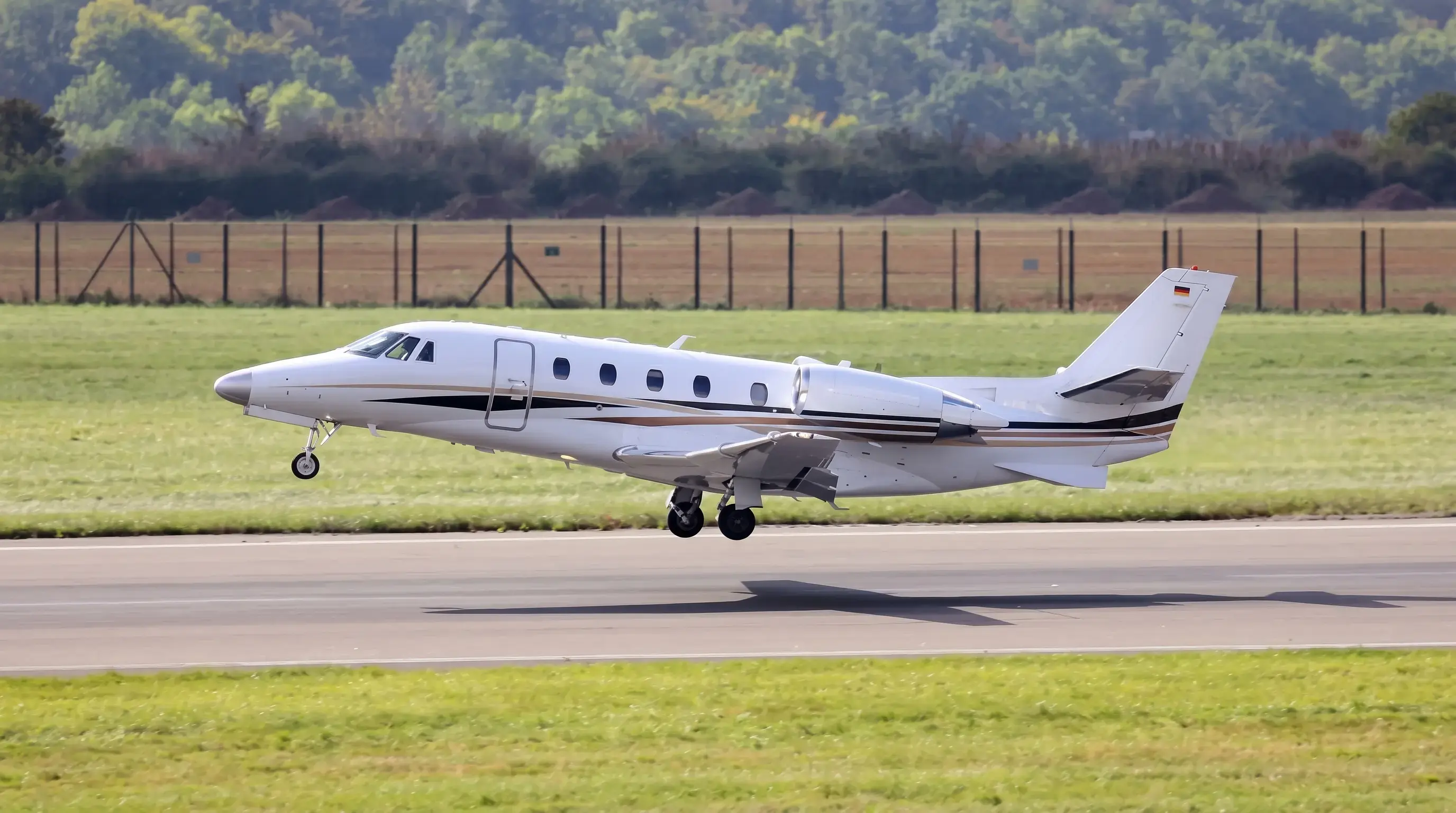
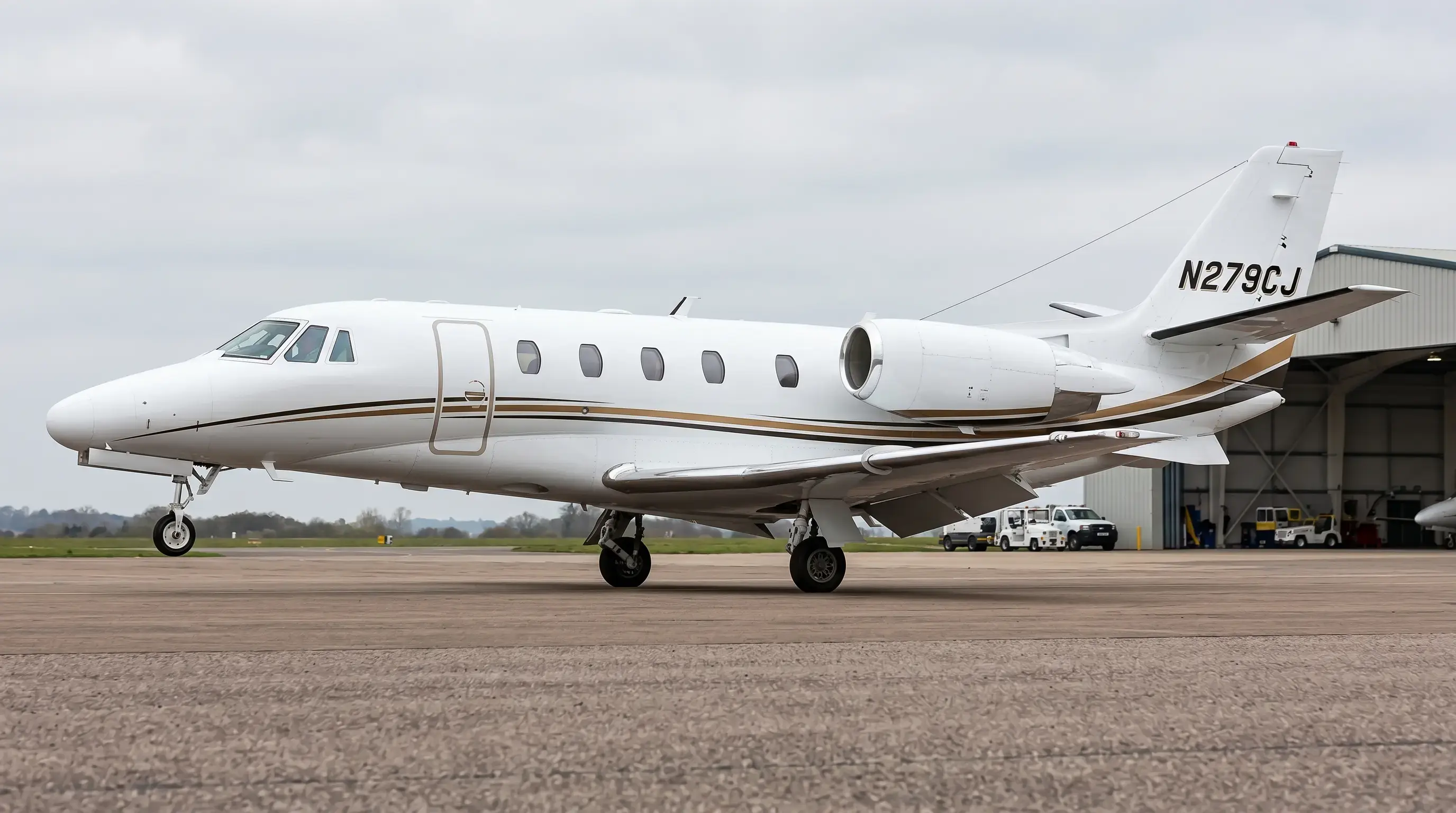
The Cessna Citation Excel, XLS, and XLS+ series exemplify one of the most significant advancements in business aviation. By integrating a roomy midsize fuselage with a versatile light-jet wing and landing gear, this twin-engine series provides an exceptional executive experience, unmatched airfield accessibility, and outstanding fuel efficiency.
Innovative Design Origins of the Cessna Citation Excel
The design of this jet family was purposefully crafted to redefine the conventional categories of private aircraft. Launched to fill a notable void in the market, the original Citation Excel utilized a shortened version of the spacious Citation X fuselage coupled with the high-lift straight wing from the Citation V Ultra.
This distinct engineering blend gave travelers an expansive interior space while maintaining the nimble short-field capabilities typical of smaller light aircraft. The original Excel model, driven by two early Pratt & Whitney Canada PW545A turbofans, quickly gained a strong following globally by providing a cost-effective flying office capable of operating from smaller regional airports.
Enhanced Power and Performance with the Citation XLS
As the needs of corporate fleets evolved toward quicker cruise speeds and improved high-altitude abilities, the airframe underwent considerable enhancements. Marking a crucial point in the series' progression, the Citation XLS featured upgraded Pratt & Whitney PW545B engines, each producing 3,991 pounds of thrust.
This boost in power significantly improved the jet's climb profile, enabling crews to reach a max altitude of 45,000 feet much faster. Internally, the design saw substantial upgrades, including refreshed seating configurations, enhanced acoustics, and an intuitive digital cockpit aimed at reducing pilot fatigue during regional flights.
Advanced Turbofans and Engine Control in the Citation XLS+
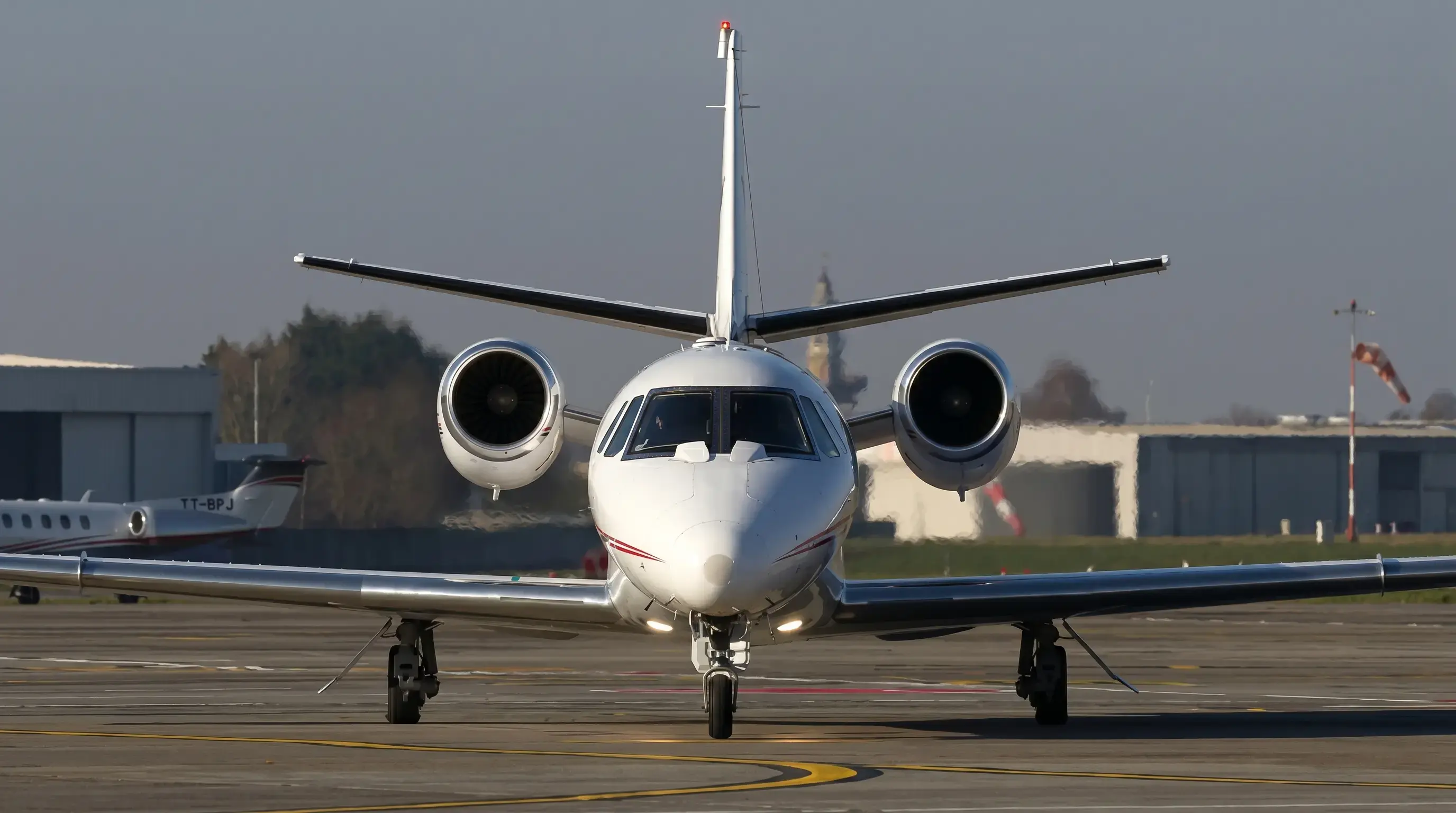
The crowning version of this distinguished business jet series brought forth optimal operating efficiency through cutting-edge propulsion technology. The Citation XLS+ is distinguished by its use of two advanced Pratt & Whitney PW545C turbofan engines, each generating an impressive 4,119 pounds of thrust.
These engines are managed by full authority digital engine control software, which optimizes fuel efficiency, prevents engine overheating, and simplifies power management for flight crews. This technological advancement allows for a high-speed cruise of 431 knots and enables takeoff from runways as short as 3,560 feet, greatly surpassing competitors in the market.
Spacious Stand-Up Cabin and Baggage Compartment
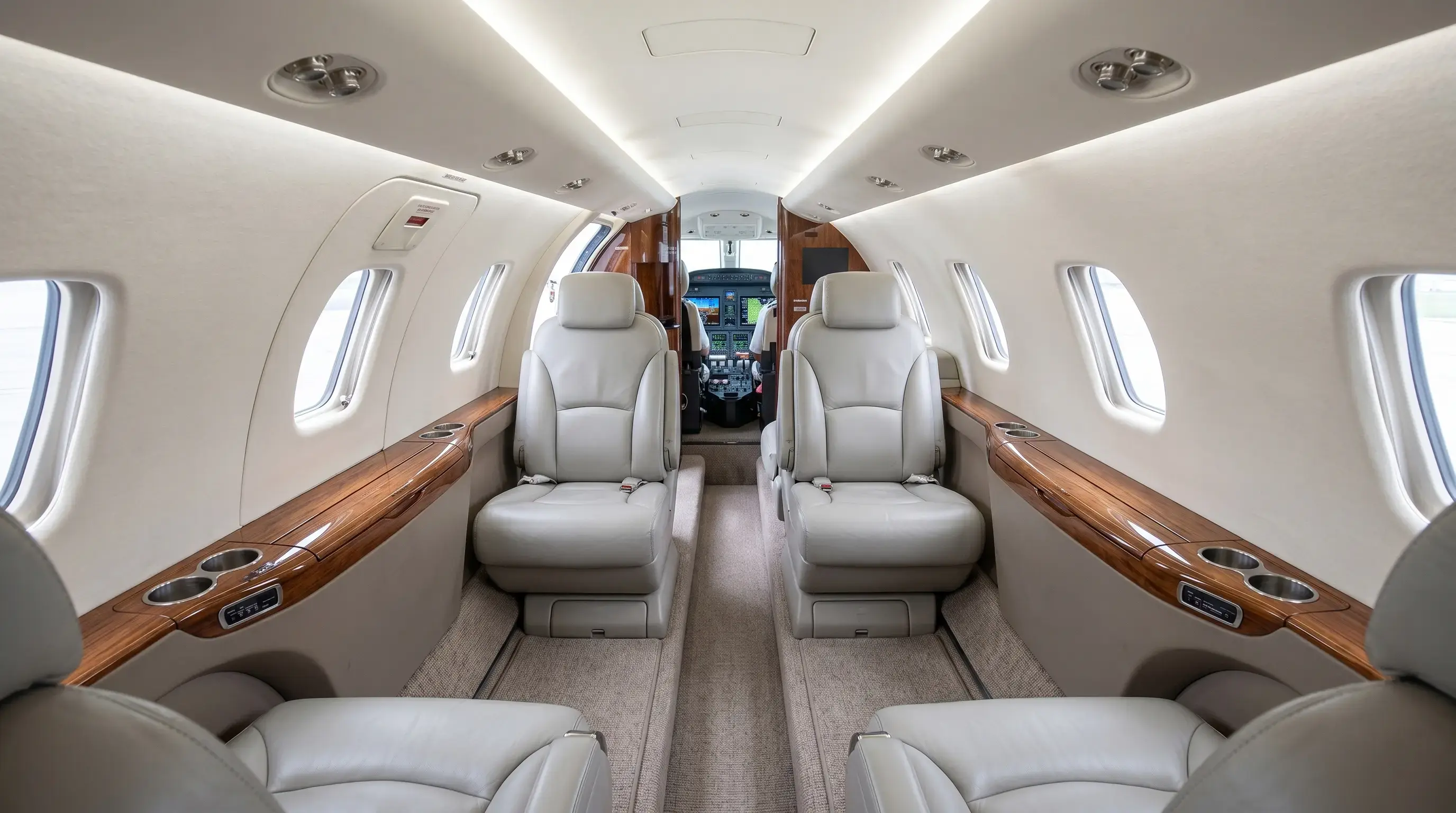
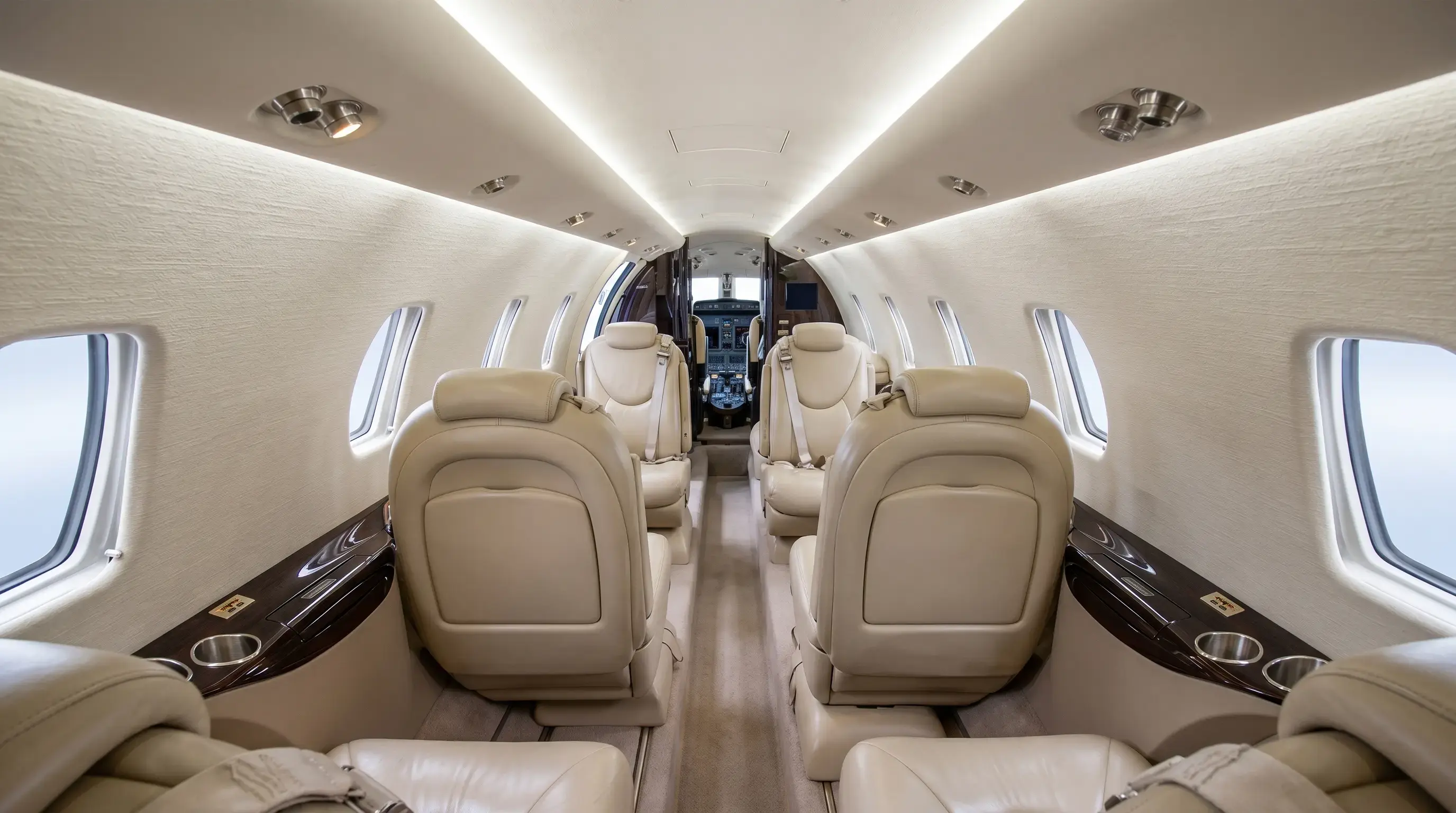
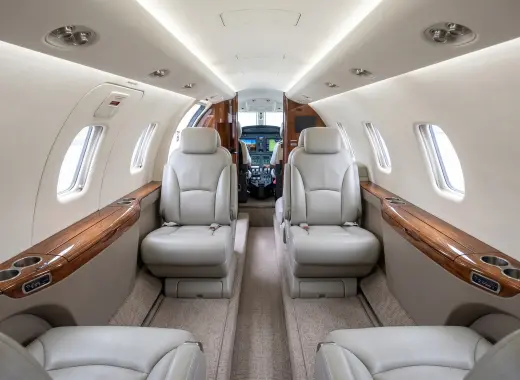
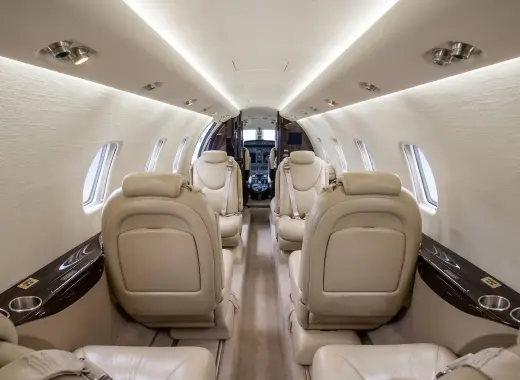
Each iteration of this private aircraft family prioritizes passenger comfort and corporate productivity, featuring a spacious interior. The cabin presents a dropped aisle that allows for a stand-up height of 5 feet 7 inches and a width of 5 feet 5 inches, enabling easy movement.
The standard executive configuration comfortably accommodates seven to nine passengers, including a forward two-seat side-facing couch and a main four-seat club setup with adjustable leather chairs. Additionally, the aircraft boasts a substantial 90-cubic-foot external baggage area capable of holding golf clubs, skis, and large luggage items.
Enhanced Cockpit Automation and Avionics
The cockpit has evolved from simple mechanical displays to a fully integrated, highly automated system. While earlier Excel versions included conventional digital screens, the modern XLS+ comes equipped with the Rockwell Collins Pro Line 21 avionics suite across four large LCD monitors.
This sophisticated system consolidates vital terrain awareness data, real-time weather tracking, and flight planning tools directly in front of the two pilots, significantly reducing their workload during complex operations and ensuring precise navigation despite challenging weather.
Conclusion
The Cessna Citation Excel, XLS, and XLS+ series remain a leading example of effective corporate aviation design, marrying midsize luxury with light jet maneuverability. Through the integration of efficient Pratt & Whitney turbofans and cutting-edge automated flight controls across several models, the manufacturer has produced a remarkably versatile asset.
Its distinctive stand-up cabin, impressive short-runway performance, and competitive operating costs solidify its reputation as a top option for corporate flight departments and private charter services globally.
Frequently Asked Questions
What is the maximum non-stop flight range of the Citation XLS+?
The Citation XLS+ boasts a maximum NBAA IFR range of about 1,858 nautical miles while carrying four passengers and a standard crew, allowing for non-stop flights of up to four hours, easily connecting cities like New York and Miami or Geneva and London.
What distinguishes the original Citation Excel from the contemporary XLS+?
The modern Citation XLS+ features several significant upgrades compared to the original Excel, including higher-thrust Pratt & Whitney PW545C engines with digital management, an updated aerodynamic nose design, a revamped Rockwell Collins Pro Line 21 glass cockpit, and a significantly refreshed cabin aesthetic.
What are the takeoff and landing runway requirements?
At maximum takeoff weight and standard sea-level conditions, the Citation XLS+ requires a remarkably brief takeoff distance of approximately 3,560 feet. Upon landing at typical weights, it can come to a complete stop within around 3,180 feet.
Can passengers access the baggage compartment during a flight?
No, the primary 90-cubic-foot baggage compartment is located in a dedicated external section at the rear of the fuselage. Though heated to protect belongings from freezing at altitude, it is outside the pressurized cabin and cannot be accessed mid-flight.
How many passengers can the cabin accommodate comfortably?
The standard corporate cabin design is optimized for up to nine passengers, featuring a forward two-place side-facing couch, a central area with four adjustable executive chairs arranged in a club layout, and two additional forward-facing seats in the aft section.