






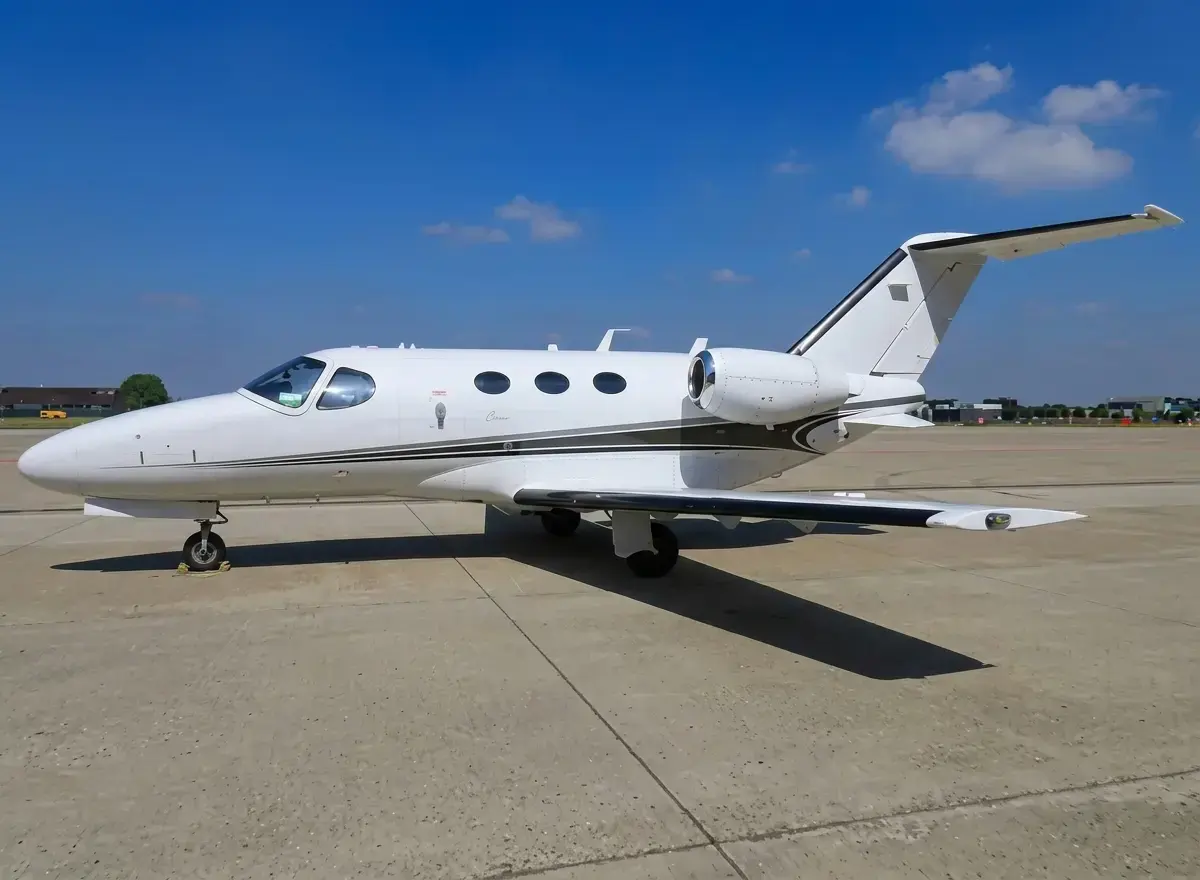
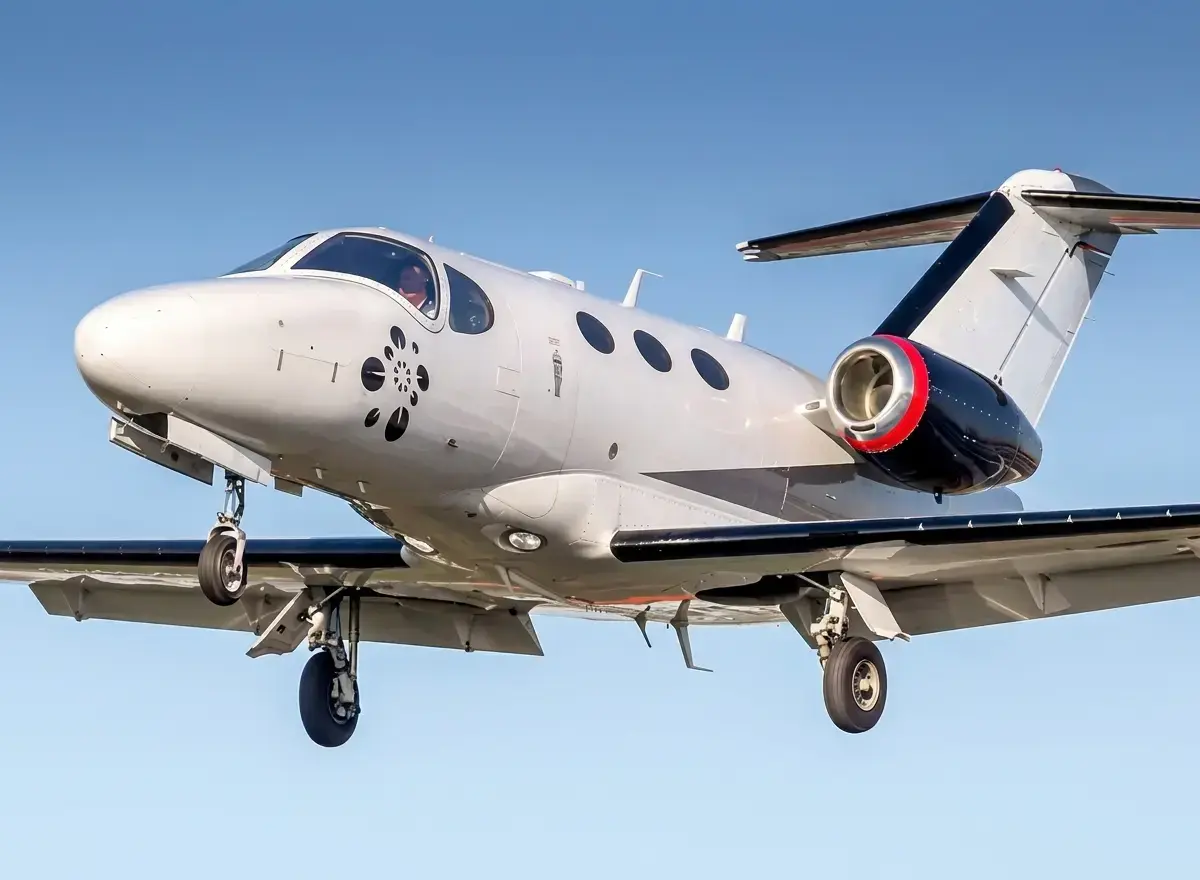
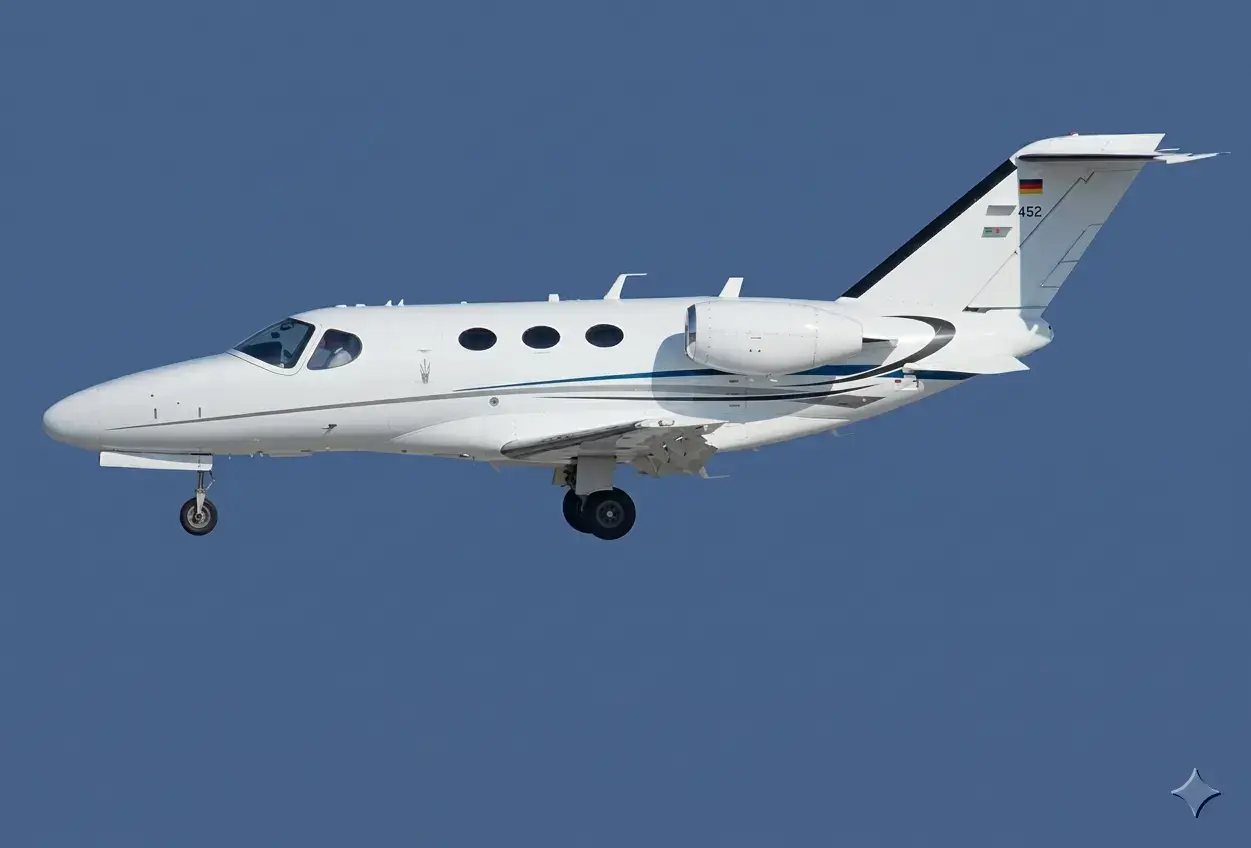
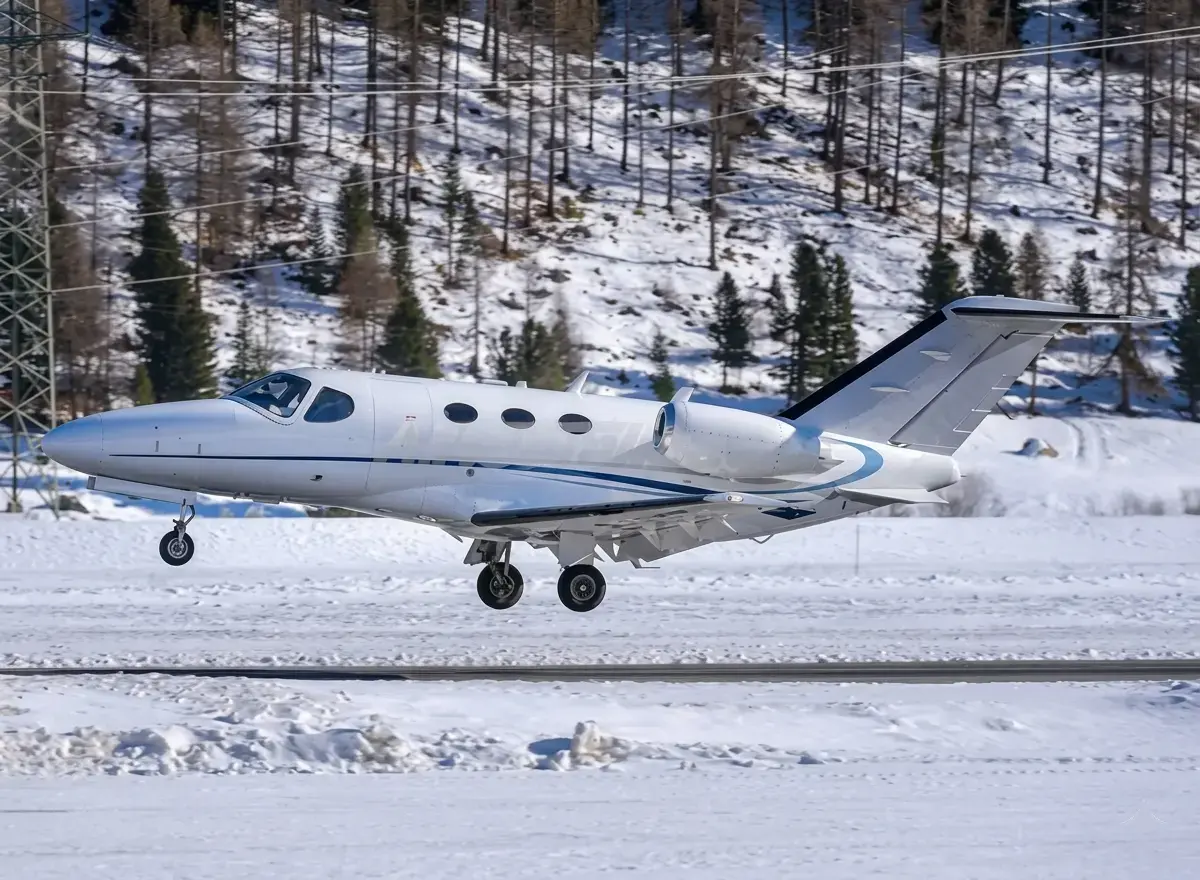
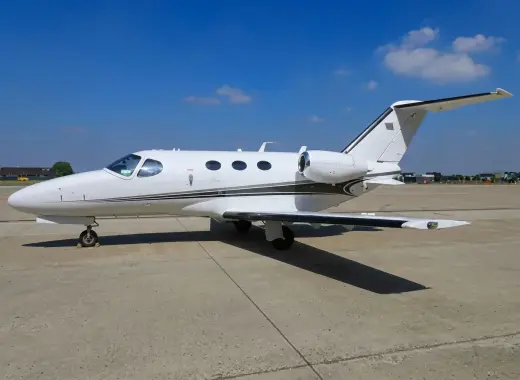
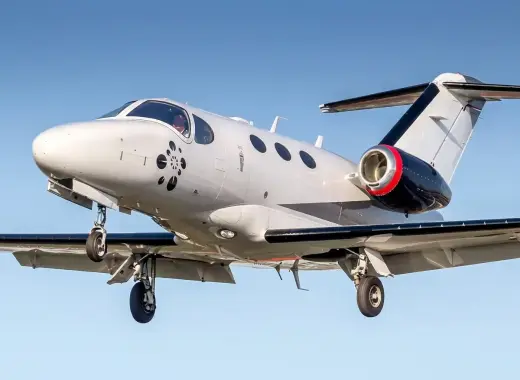
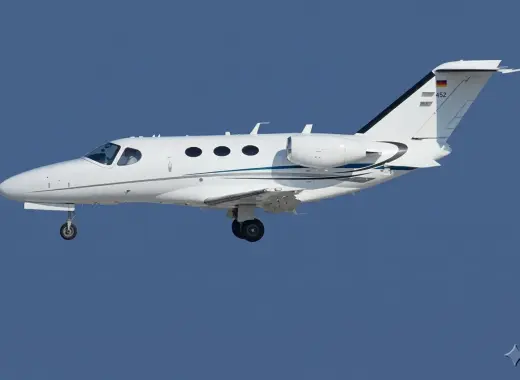
Speed and budget optimization are key to success in the fast-paced landscape of heavy corporate machinery and industrial logistics. The Cessna Mustang has revolutionized regional corporate travel by offering the speed and luxury of a private plane with the low operating footprint of a turboprop. This twin-engine aircraft was designed to be a business tool that is highly utilized. Eclipse 500/550
It allows executives and their technical teams the freedom from the chaos of commercial airport terminals. This aircraft is a perfect example of compact aeronautical engineering. It combines robust manufacturing standards and highly predictable transit costs.
The Cessna Citation Mustang: An Economical Advantage
This entry-level jet is a great option for businesses that are looking to reduce overhead costs on their fleets. The aircraft is powered by two Pratt and Whitney Canada Turbofan engines, which consume 95-100 gallons per hour of fuel at high cruise altitudes.
The excellent fuel consumption profile keeps the hourly operating cost lower than that of traditional mid-sized jets. This makes it possible to use the aircraft on short-haul regional visits.
Core Performance Capabilities & Logistics Value
This very light jet has been optimized for a dramatic reduction in travel time, even when viewed strictly from a performance perspective. The jet can cruise at 340 knots and cover hundreds of miles faster than ground transport or turboprop platforms. The high-speed performance allows an executive team to conduct project reviews on site in multiple cities and return home the same day.
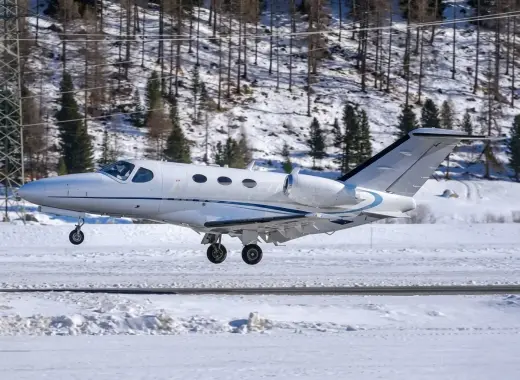
It is designed with a maximum altitude of 41,001 feet. This allows the aircraft to comfortably fly above severe weather fronts and major commercial air traffic. The jet can easily bridge regional gaps with its maximum instrument flight rule range of up to 1,150 miles. The jet has a takeoff distance of only 3,110 feet. This allows it to use smaller airports, which are inaccessible for large commercial aircraft or heavy private planes.
Advanced Cockpit Safety and Automation Architecture
The front flight deck is a masterpiece of modern interface design. It was designed from the ground up to support seamless certification for single pilots. The instrument panel features a high-quality Garmin avionics system that integrates primary flight data, multi-function mapping and engine health information into large, easy-to-read displays. This neat, unified setup reduces the pilot's workload by providing critical system information at a glance.
Full Authority Digital Engine Control Systems with dual channels provide a higher level of safety by continuously managing engine thrust and fuel mix. This intelligent automation ensures maximum thermal efficiency and prevents overheating scenarios. With backup safety features such as automated icing prevention and advanced terrain awareness, the single-pilot maintains complete situational awareness and controls during challenging bad-weather flight approaches.
Interior Cabin Ergonomics and Space Management
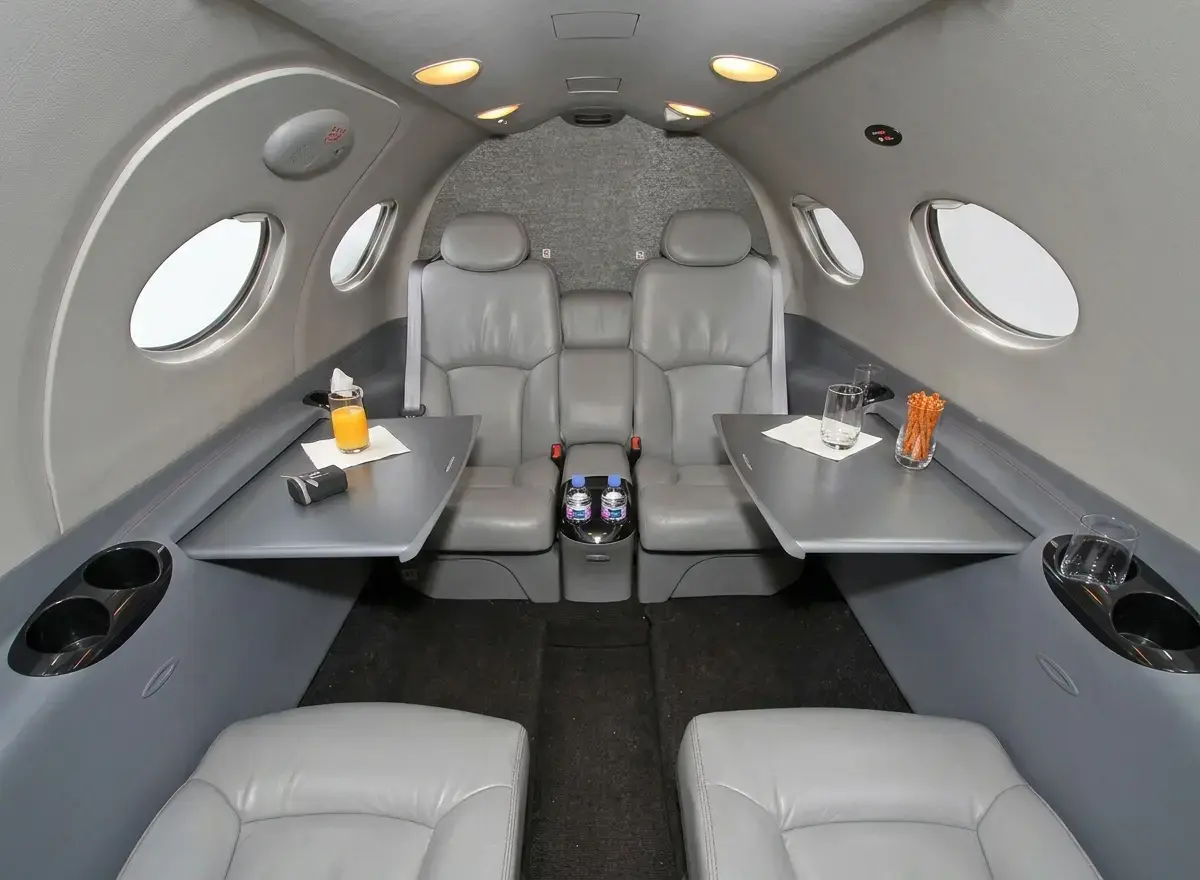
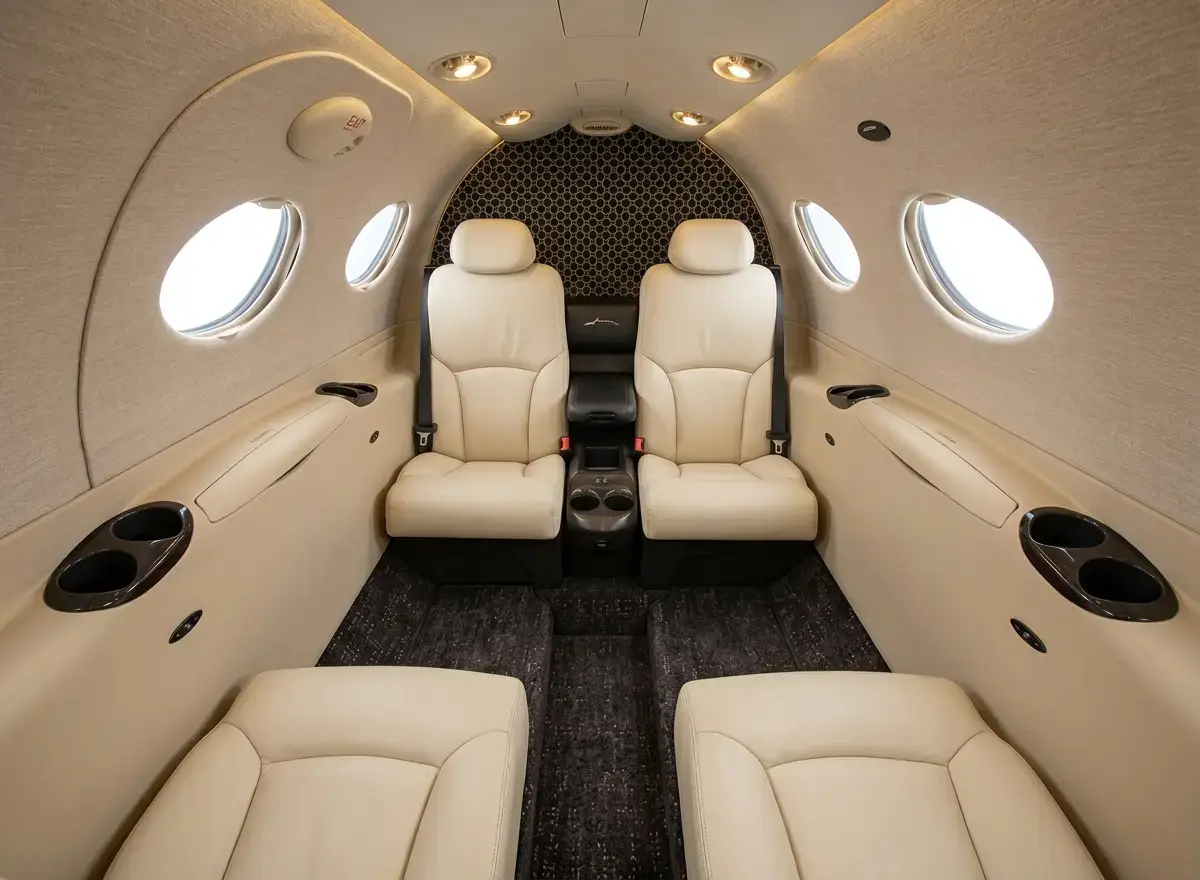
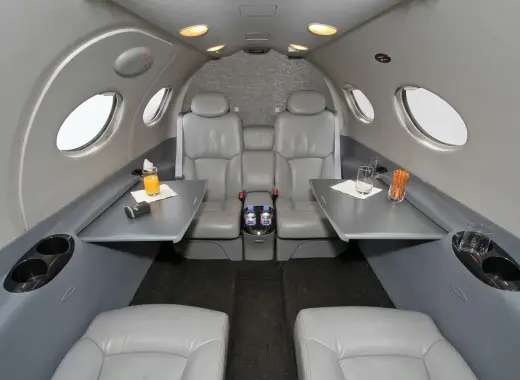
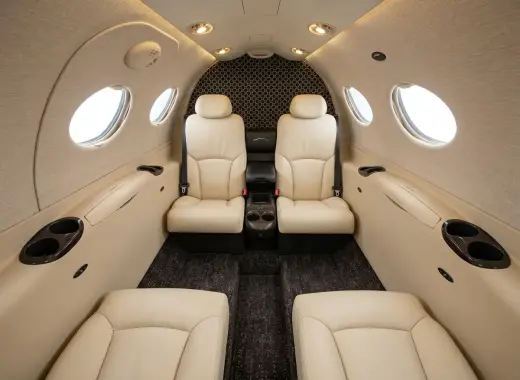
The passenger cabin was designed with the intention of acting as a mobile executive boardroom for short- to medium-range flights. Interiors are typically arranged in a four-seater club configuration, with premium leather seats facing one another to allow for quiet rest or seamless collaboration.
The aircraft is designed to maximize practical space. This results in a spacious cabin with plenty of legroom and dedicated work tables that can be folded out for laptops or documents.
The generous cargo volume of 57 cu ft, divided between the nose section and tail section, is used to transport luggage and tools. The external storage compartments enable passengers to carry heavy luggage, industrial presentation kits, and specialized field equipment without compromising cabin comfort. The cabin is kept remarkably quiet by advanced soundproofing materials that are embedded in the fuselage. This allows team members to arrive fully focused and prepared for business challenges.
Summary
The Cessna Mustang is the gold standard of the ultra-light jet category, as it balances jet performance and tight operating costs. Combining efficient turbofan technology and a highly reliable single-pilot airframe makes it an unbeatable tool to help companies maximize their regional reach. This machine is a great investment for companies that want to maximize their corporate transit schedules and still maintain strict control of their flight operations budgets.
FAQs
What makes the Cessna Citation Mustang a highly fuel-efficient aircraft?
This jet is incredibly efficient thanks to two turbofan engines from Pratt and Whitney Canada that use only 95-100 gallons per hour of fuel at cruise. The low fuel consumption rate reduces carbon emissions as well as the direct hourly overhead of operating larger aircraft.
Can the aircraft safely be flown by only one pilot?
The aircraft is certified to operate with a single pilot. The aircraft's flight deck features an integrated Garmin suite of avionics and digital engine controls, which reduce pilot workload in complex flight environments while increasing situational awareness.
What is the maximum cruise and flight range for this jet?
The jet has a cruise speed maximum of 340 knots and a certified service ceiling maximum of 41,000 feet. The maximum instrument flight rule range is approximately 1,150 nautical miles with a small passenger payload.
What is the maximum amount of luggage and equipment that an aircraft can transport?
This aircraft has a total external luggage space of 57 cubic feet, split between the nose compartment and aft. This large space is ideal for storing bulky industrial parts, heavy suitcases or technical diagnostic equipment outside of the main passenger cabin.
What kind of performance can the aircraft provide on the runway?
Its highly optimized aerodynamic wings and lightweight frame allow it to take off from a distance of only 3,110 feet above sea level. Its short-field capability enables it to access smaller local airfields located much closer to the final business destination.