






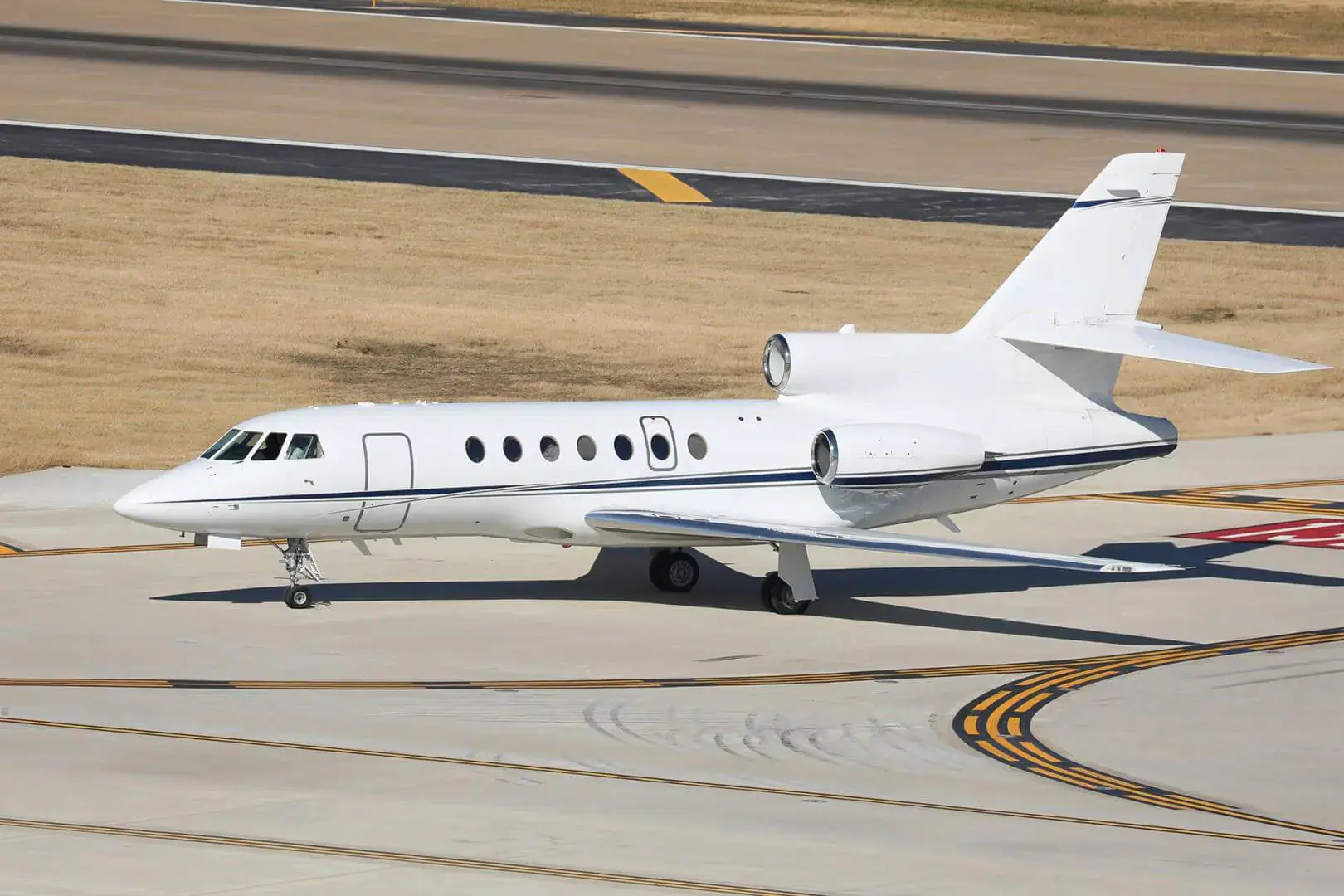
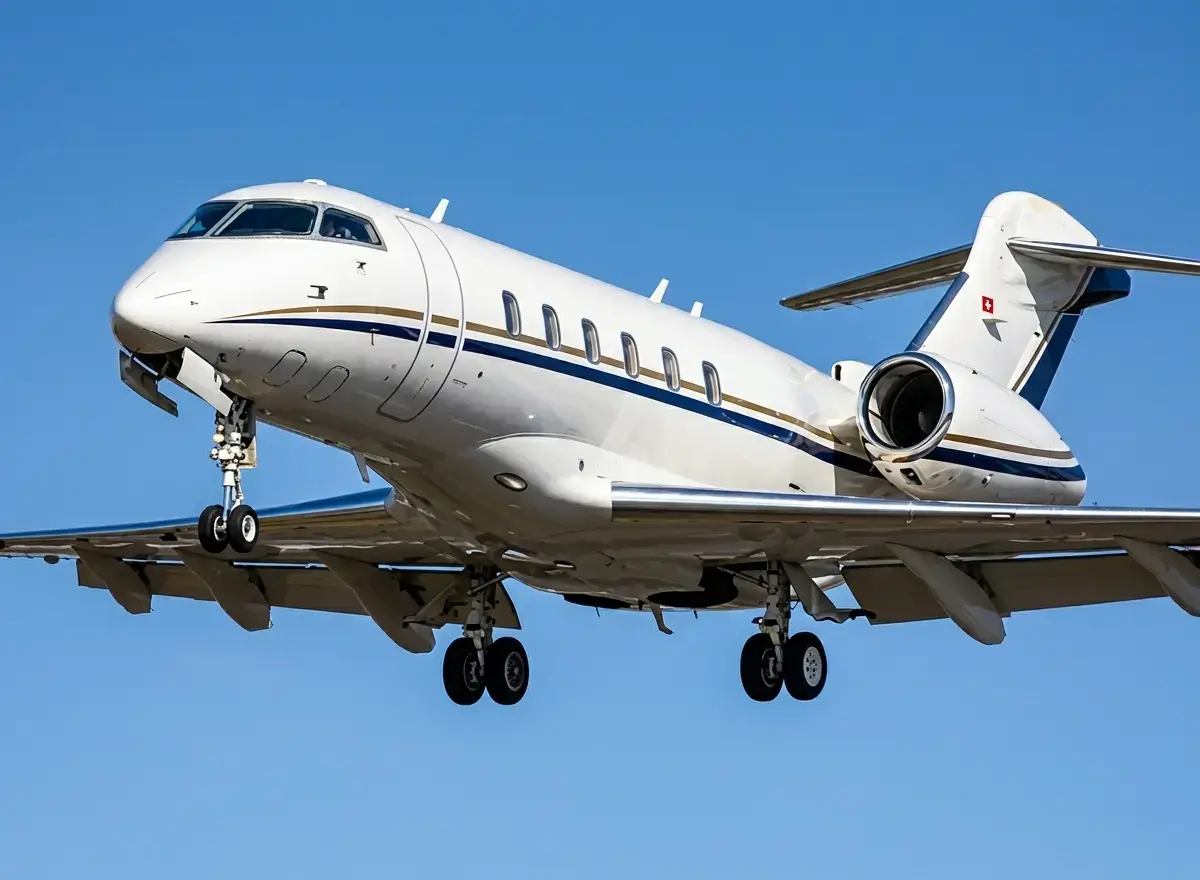
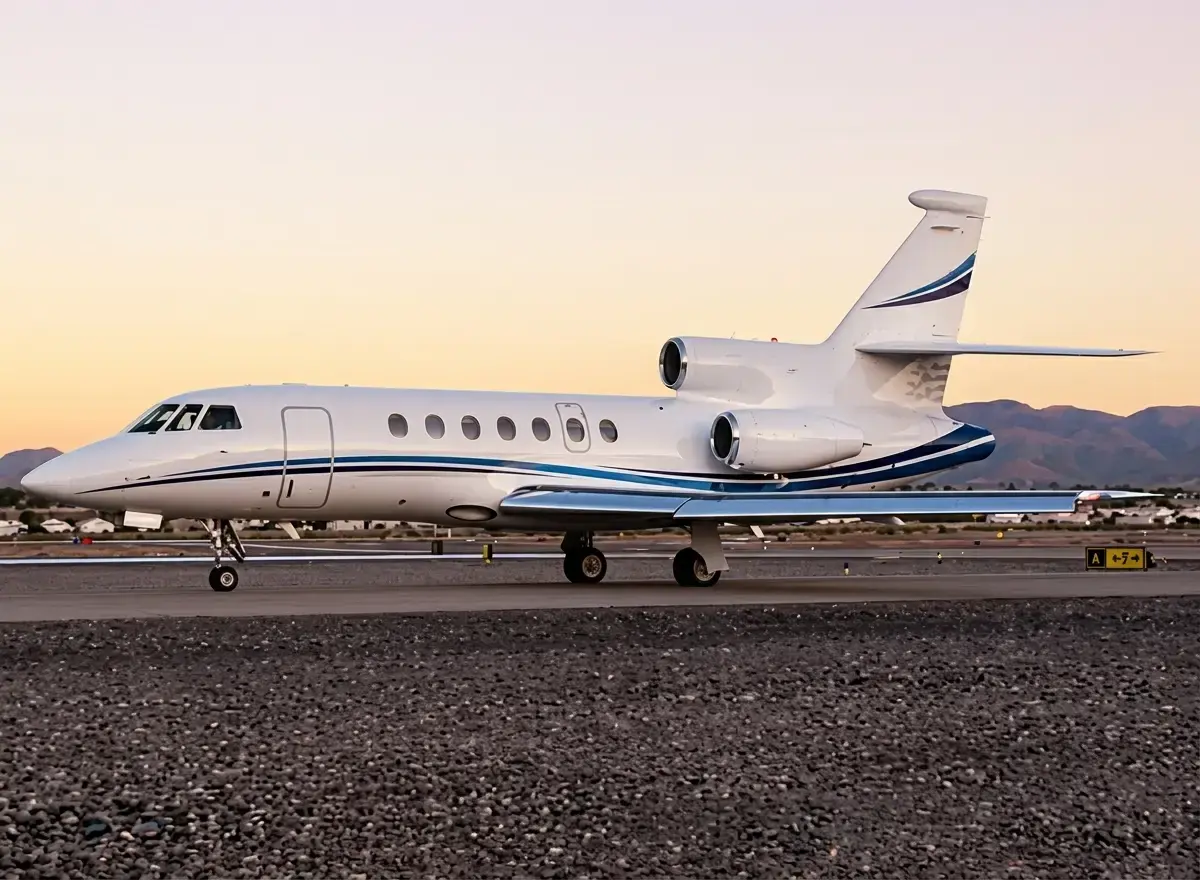
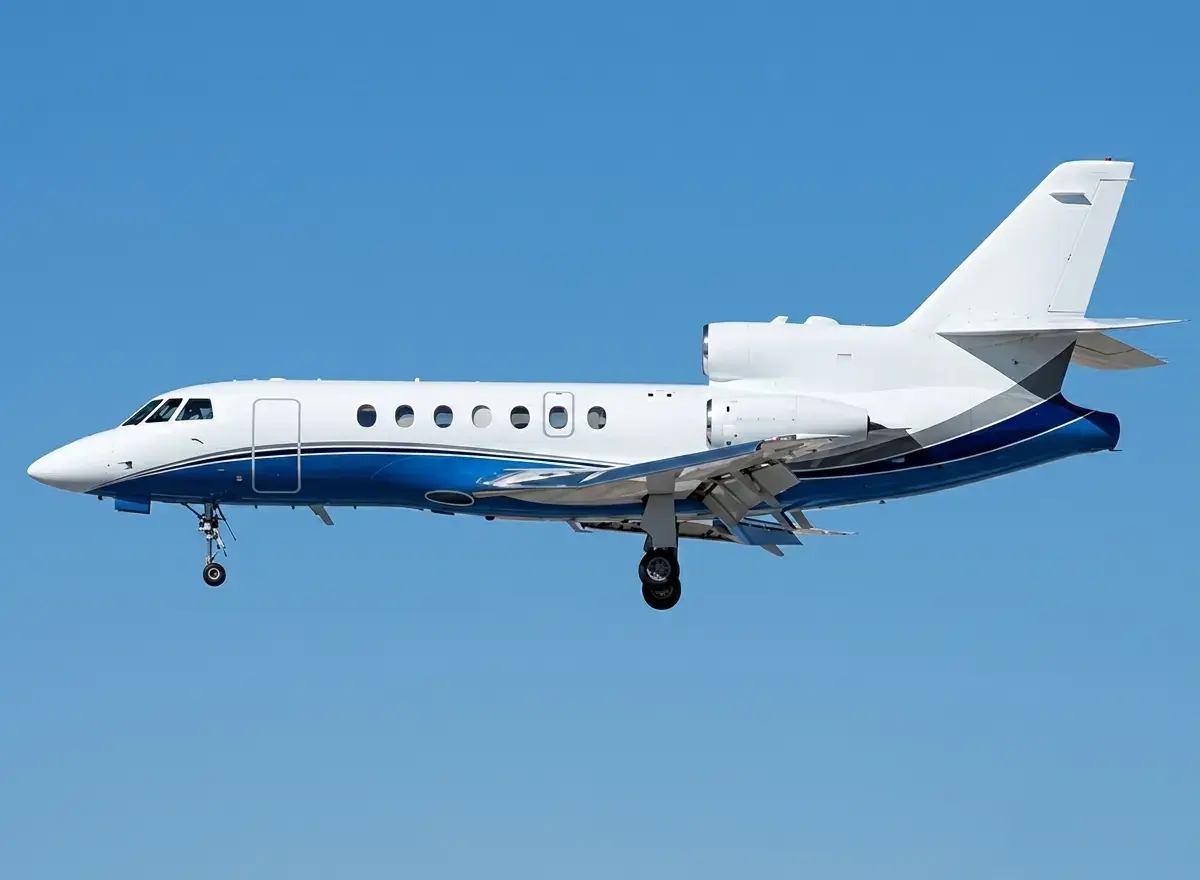
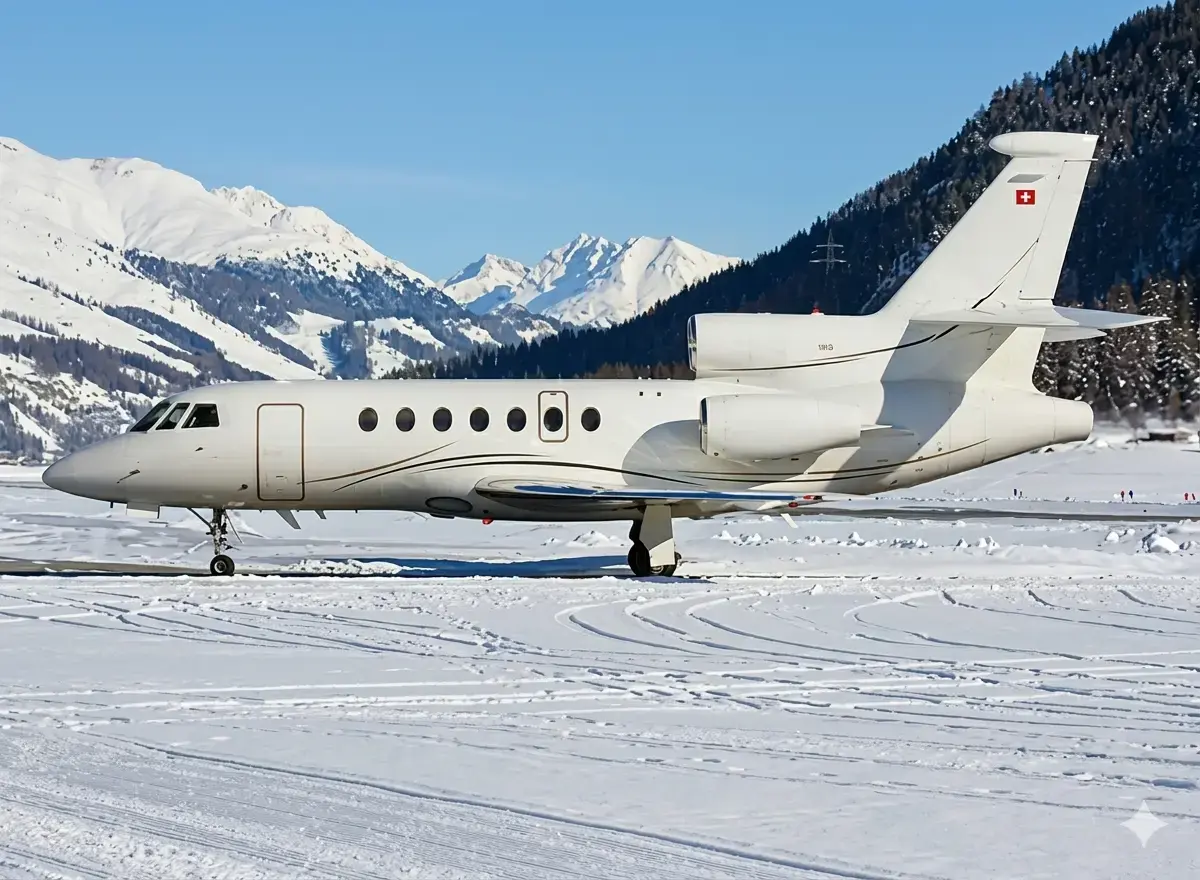
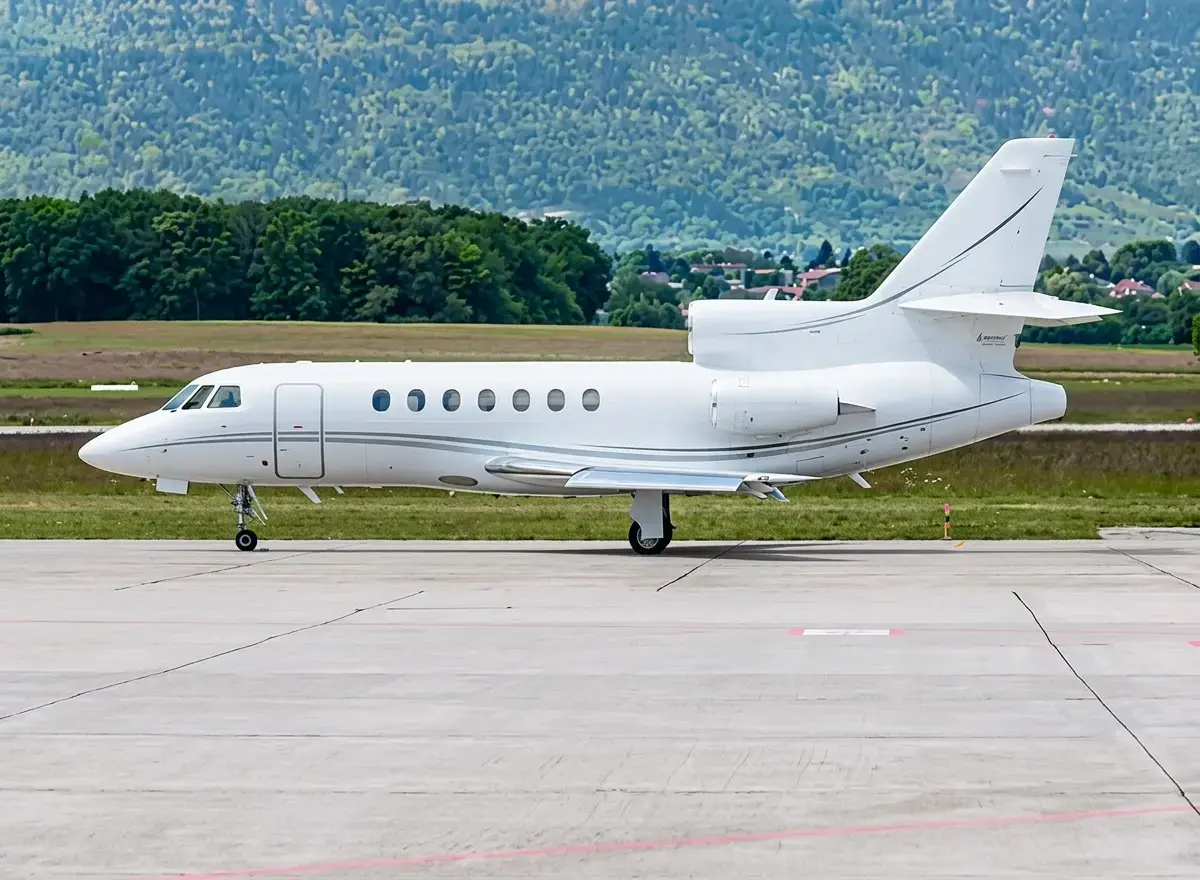
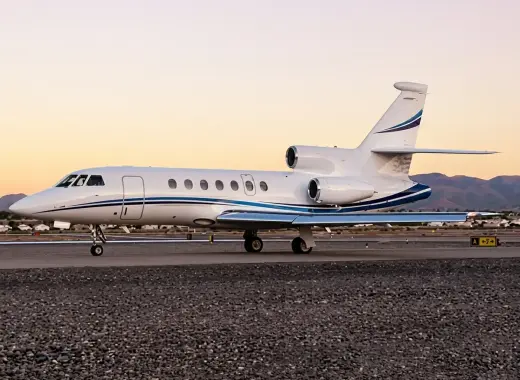
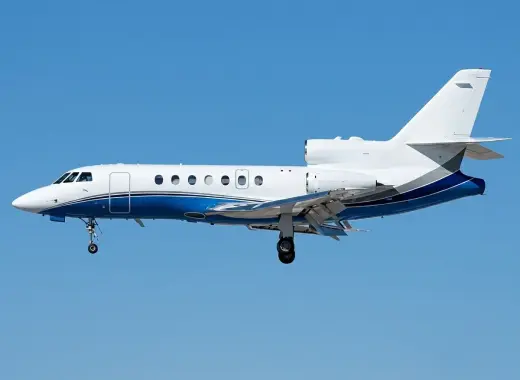
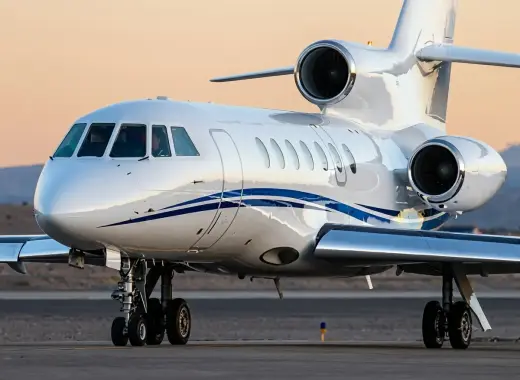
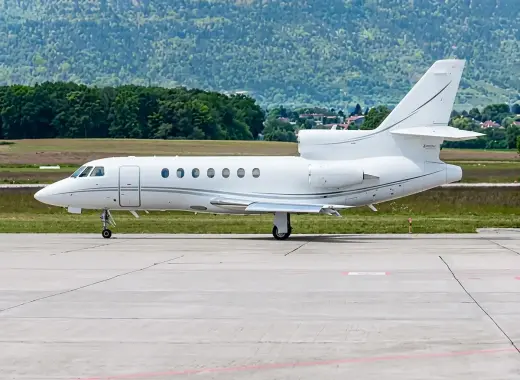
Few business Jet Transport jets have revolutionized aviation as significantly as the Dassault Falcon 50 lineup. Launched as a revolutionary entrant, it became the first business jet capable of traversing the Atlantic Ocean while adhering to stringent public transport safety standards. About Bombardier Challenger 300
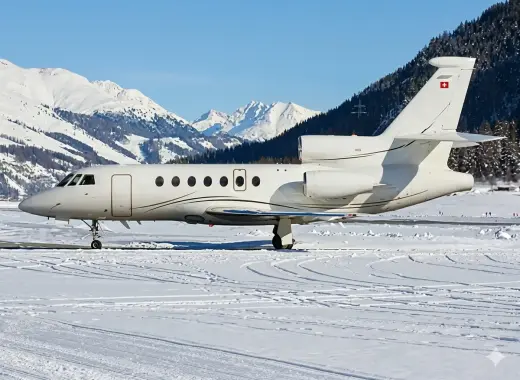
With its signature trijet configuration and sleek fighter-jet lineage, this aircraft demonstrated that operators could achieve a vast range without compromising agility on shorter runways. Whether landing in confined mountain airports or gliding across vast oceans, it quickly established itself as the benchmark for corporate aviation fleets.
Next Level: Dassault Falcon 50 / 50EX
Seventeen years after the debut of the original model, Dassault unveiled a more advanced version that further advanced the super-midsize category. Rolled out in the late 1990s, this upgraded aircraft maintained the legendary structure of its predecessor while introducing cutting-edge engineering improvements.
By equipping the jet with new, fuel-efficient engines, it achieved a substantial seven percent reduction in fuel consumption and lowered maintenance costs per flight hour. This progression ensured that the aircraft remained a competitive option against newer models, reinforcing its status as a reliable and economical choice for modern air travel.
Unparalleled Trijet Performance
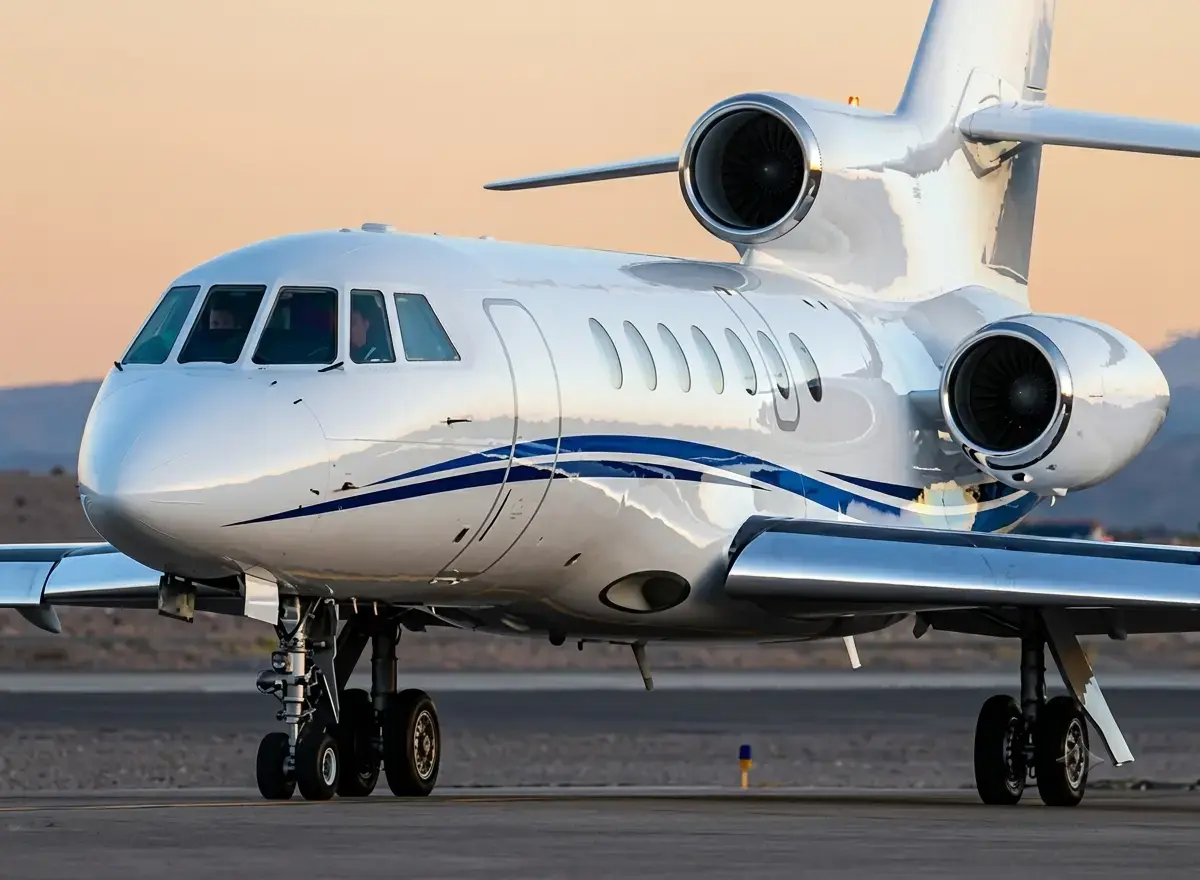
The hallmark of the Falcon 50 series is its unique three-engine layout, which features a special center intake duct. This configuration provides a crucial safety advantage for long overwater flights, ensuring peace of mind during extended ocean crossings.
Additionally, the combined engine thrust enables the aircraft to ascend to 37,000 feet in just 17 minutes, allowing it to bypass turbulent conditions and busy air traffic far more efficiently than competing twin-engine jets. Its exceptional performance in hot and high conditions allows it to take off from elevated airports on warm days, utilizing shorter runways that others struggle with.
Cabin Luxury and Long-Distance Capability
Entering the cabin reveals a generous, fully pressurized dual-zone space designed for both productivity and relaxation.
Typically arranged to seat nine passengers in comfort, it features an executive club section with four seats and fold-out tables, along with a separate area showcasing facing seats and a sumptuous divan. For prolonged intercontinental journeys, the interior includes a fully-equipped galley for preparing hot meals and an independent climate control system for the cockpit and passenger areas. With an impressive transcontinental range exceeding 3,200 nautical miles, executives can conduct business meetings or rest seamlessly during non-stop coast-to-coast flights.
State-of-the-Art Cockpit Technology
The modernized versions of the Falcon 50 have transformed the flight deck with digital technology, replacing analog gauges with an integrated glass cockpit. Equipped with advanced avionics like the Pro Line series, pilots benefit from superior situational awareness through digital displays, Doppler turbulence detection, and automated flight management systems.
The aircraft's structural integrity employs a lightweight aluminum monocoque fuselage combined with robust composite materials to reduce weight and lower noise during takeoff. Additionally, all control systems are supported by multiple redundant hydraulic and electrical backups, ensuring utmost safety in all flight conditions.
Conclusion
The Dassault Falcon 50 series epitomizes a classic triumph in aerospace innovation, merging historical significance with contemporary operational capabilities. With its distinctive safety advantages, impressive short-field performance, and luxurious dual-zone cabin, it remains a highly desired choice in the charter and pre-owned markets.
For corporate flight departments and private individuals seeking a robust transoceanic jet with a proven performance history, this iconic French aircraft continues to offer outstanding results on every journey.
Frequently Asked Questions
What is the maximum non-stop flight range of the upgraded model?
The upgraded model can fly up to 3,260 nautical miles non-stop with four passengers, making it fully equipped for transatlantic or cross-country flights.
How many passengers can the cabin accommodate comfortably?
The cabin typically fits eight to nine passengers in two separate seating zones, although higher-density configurations can hold up to twelve.
Why does this corporate jet have three engines instead of two?
The trijet configuration was developed to comply with earlier regulations regarding twin-engine oceanic flights, while also providing the necessary thrust for short runway operations.
What are the average operating costs?
Operators can expect an approximate variable operating cost of around $3,900 per flight hour, covering fuel, engine maintenance, and routine checks.
What type of avionics suite is in the flight deck?
The upgraded versions are equipped with the Collins Pro Line 4 digital avionics suite, offering advanced flight management and radar capabilities.