






Managing the complexities of executive travel requires an aircraft that effectively bridges the gap between efficient regional jets and heavier long-haul options. Traditional aluminum jets often bear significant structural weight, which limits their range and fuel efficiency, but advancements in aviation design have introduced better alternatives. Bombardier Learjet 75
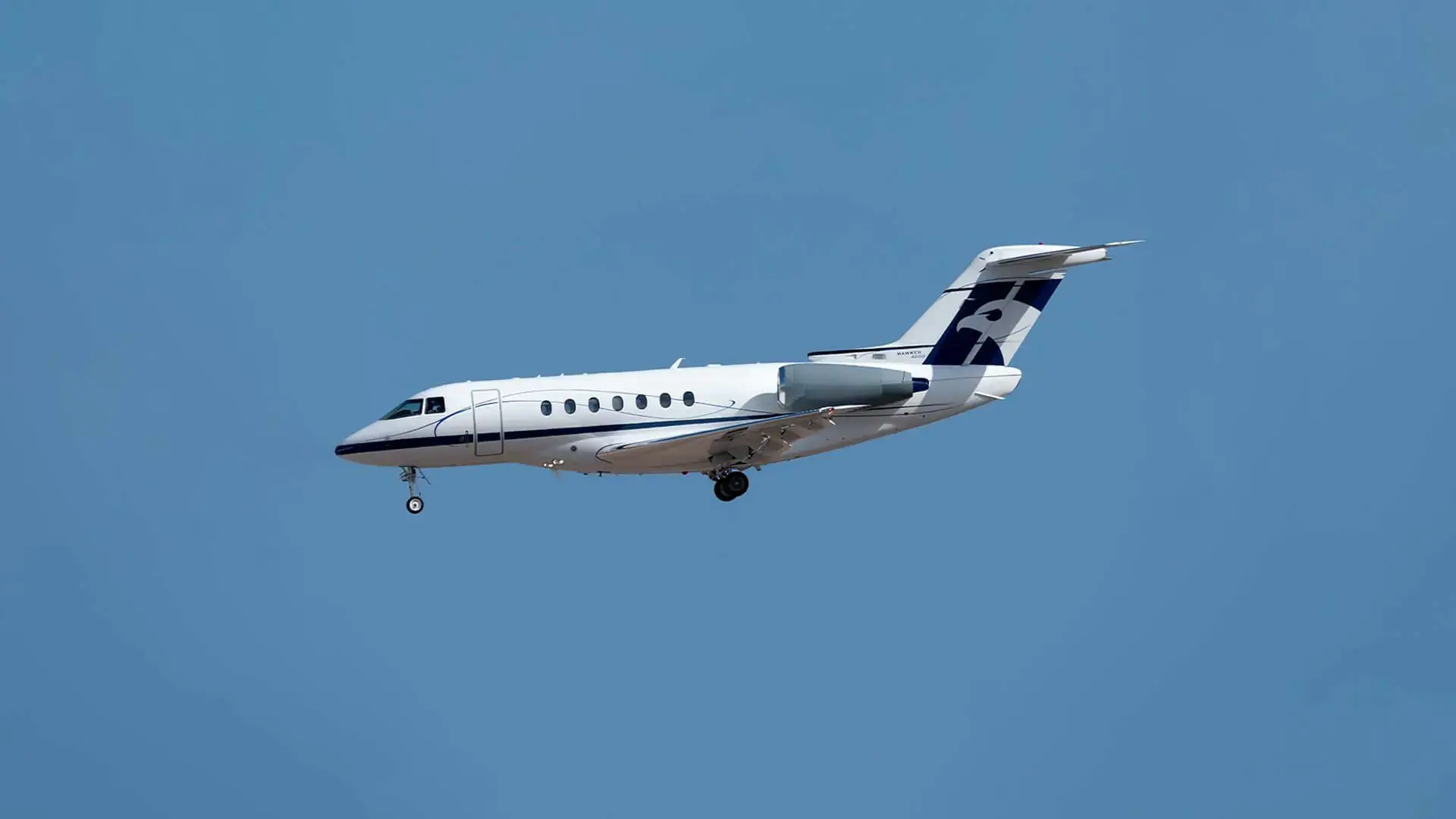
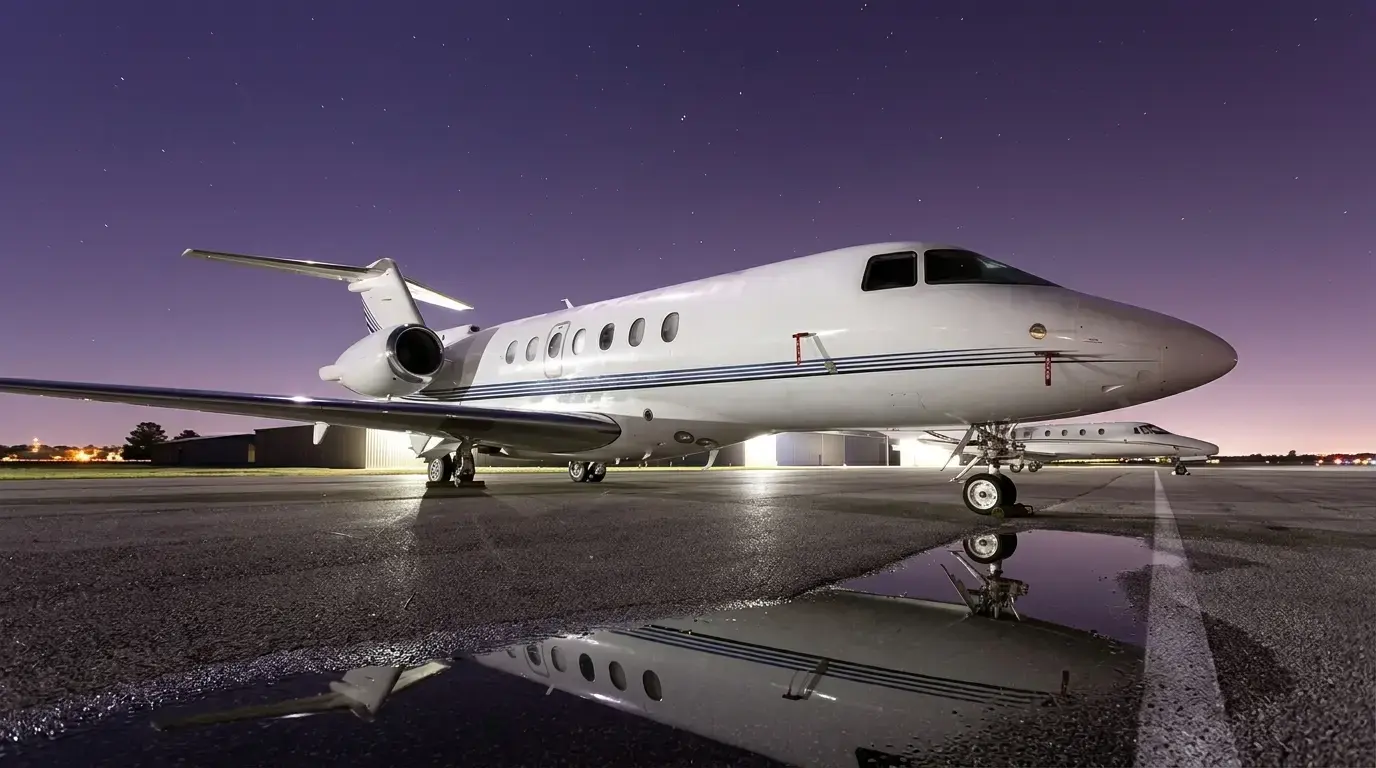
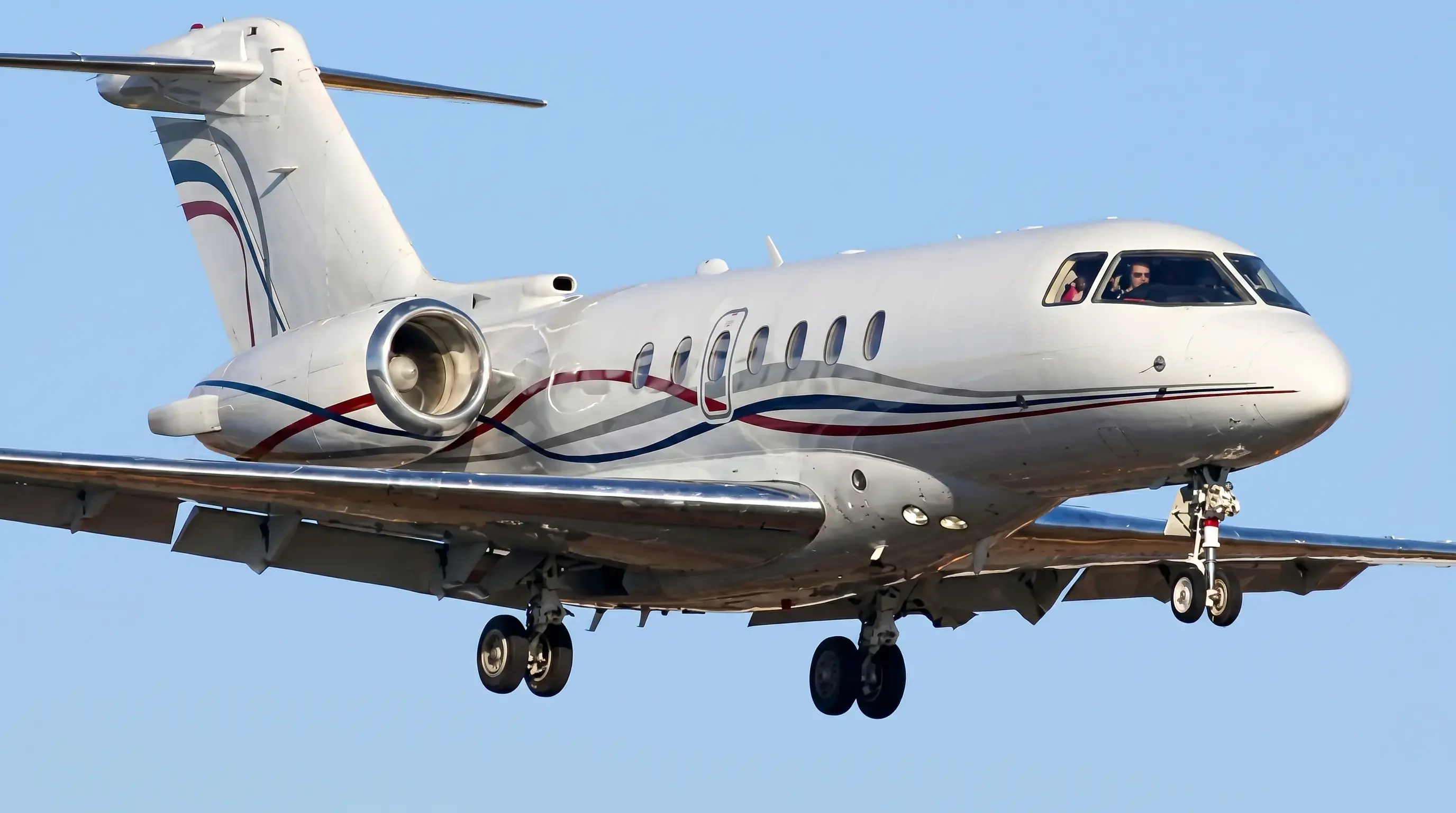
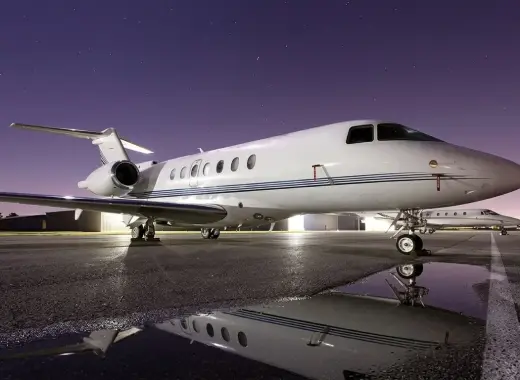
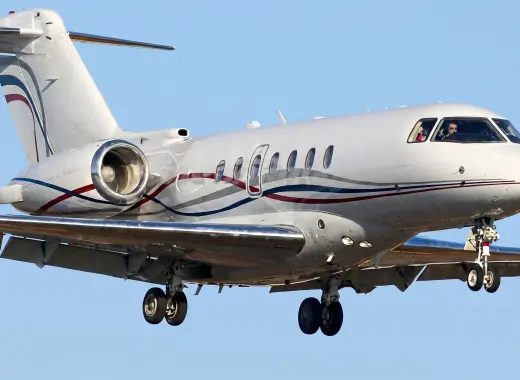
The Hawker Beechcraft 4000 is a significant milestone in the super-midsize segment of private aviation, being the first aircraft in its category to employ a fully bonded carbon-fiber composite fuselage. With its twin-engine configuration, this jet offers impressive structural integrity alongside near-sonic speeds, making it an ideal airborne headquarters for multinational corporations.
Revolutionary Composite Fuselage Design
The engineering of this executive jet has transformed the production of business aircraft by opting for advanced carbon-fiber materials over conventional metal. By creating a seamless, one-inch-thick fuselage shell composed of robust yet lightweight composite layers, engineers eliminated the need for heavy internal metal supports and rivets.
This design significantly lowers airframe weight while enhancing durability and resistance to fatigue or corrosion. Operators benefit from this thin-wall composite structure, as it maximizes internal space without enlarging the jet's external size or increasing drag.
Powerful Pratt & Whitney Turbofan Engines
The jet's reliable propulsion and rapid ascent capabilities stem from a sophisticated engine arrangement located at the rear of the airframe. Fitted with two powerful Pratt & Whitney Canada PW308A turbofan engines, each producing an impressive 6,900 pounds of thrust at takeoff, this aircraft utilizes full authority digital engine controls to regulate fuel consumption and prevent overheating.
This powerful setup allows the business jet to reach an initial cruising altitude of 41,000 feet within just 20 minutes, smoothly navigating through turbulent lower altitudes and busy air traffic.
Spacious Flat-Floor Cabin and Features
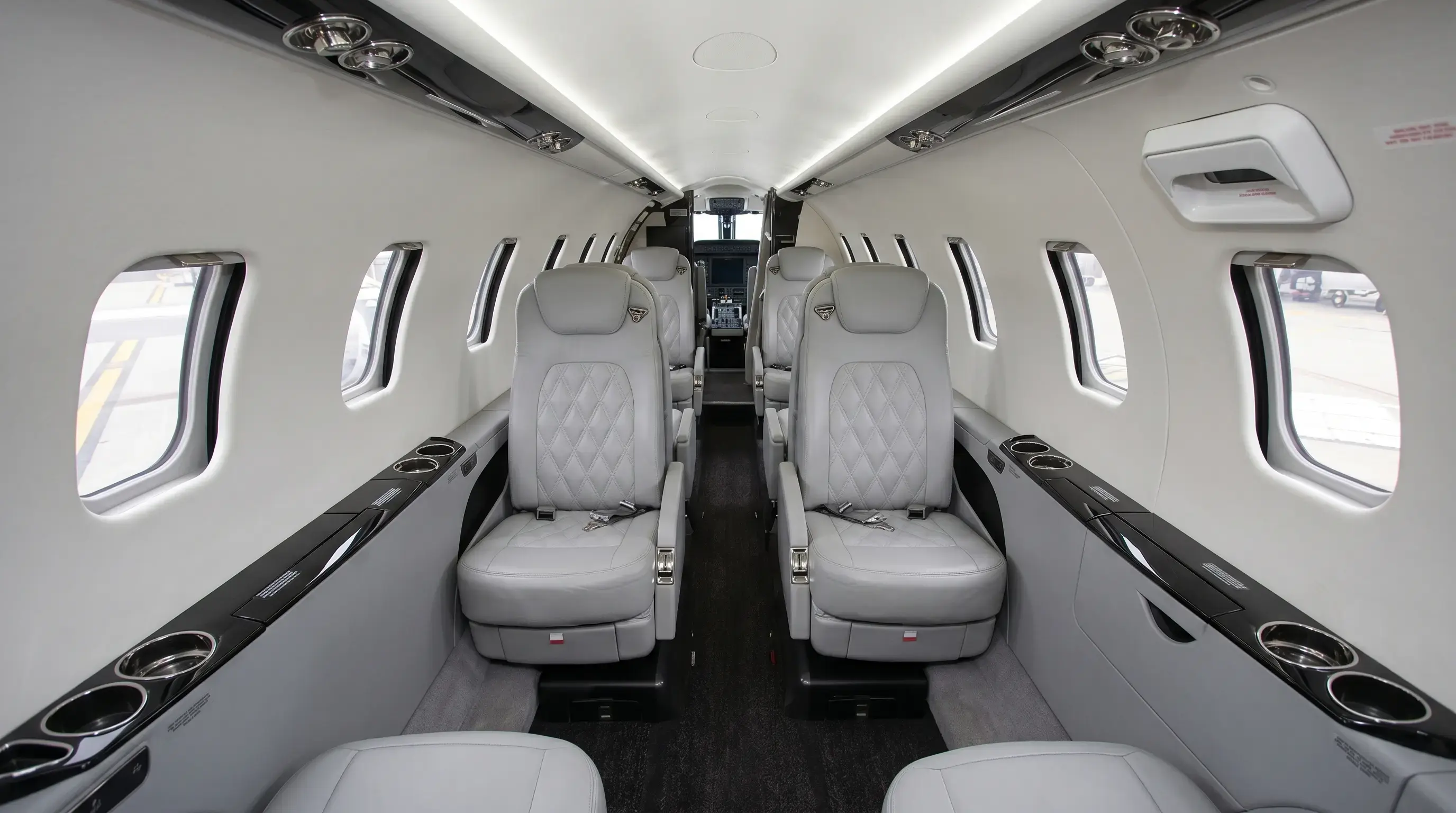
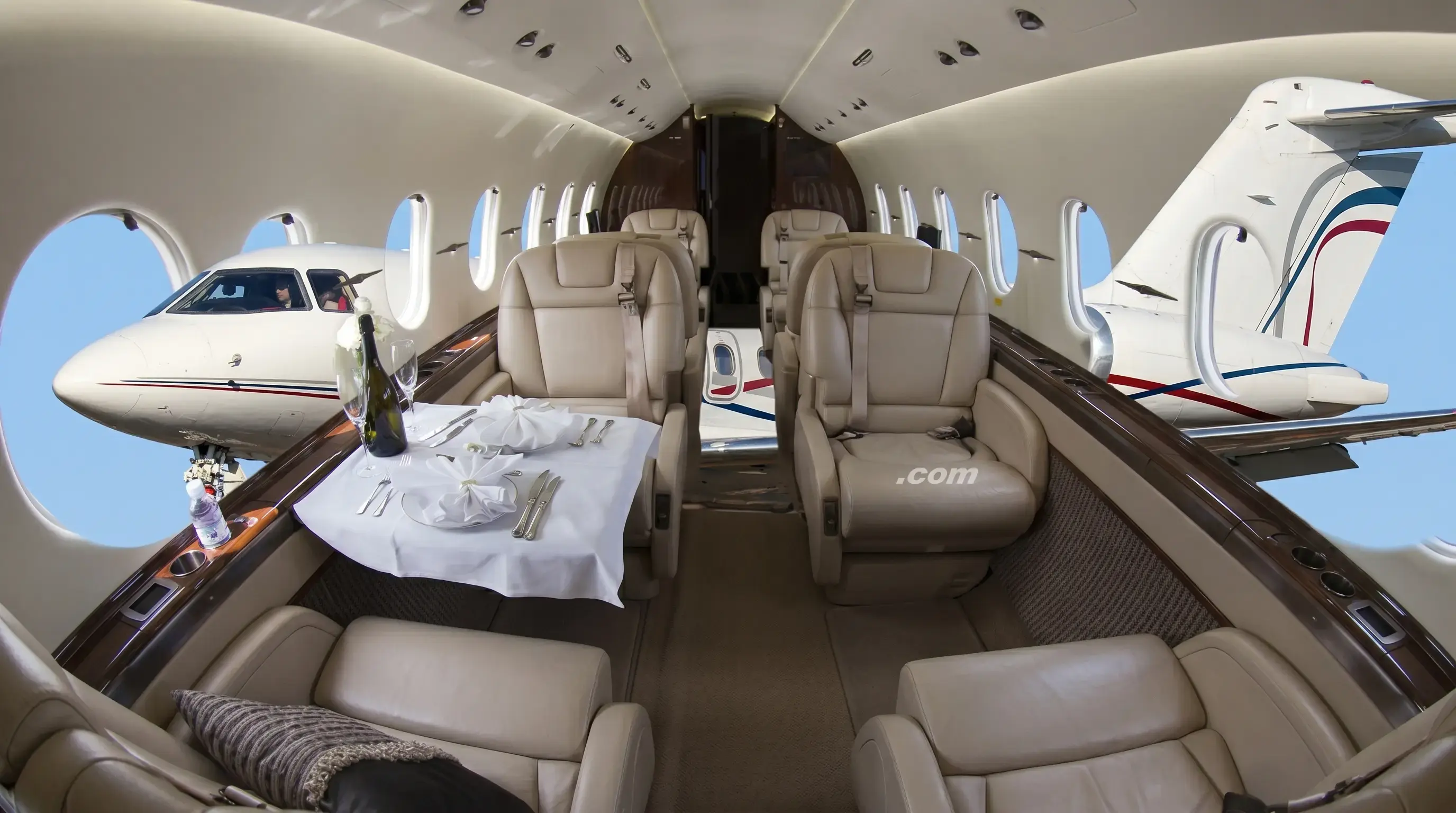
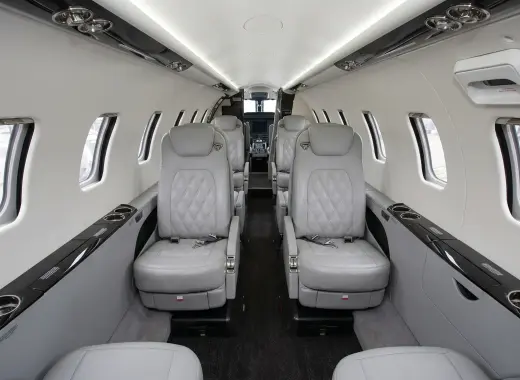
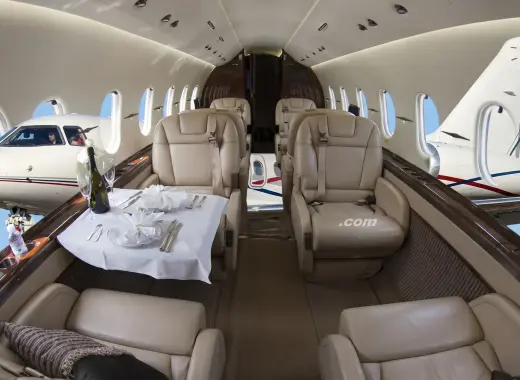
Passenger comfort and productivity are fully realized in the expansive interior enabled by the composite shell. The cabin features a continuous flat floor, achieving a full height of 6 feet and a width of 6 feet 6 inches, offering considerably more space than typical aluminum jets.
Typically, the executive configuration accommodates eight to ten passengers in premium leather club seats, which can slide, swivel, and recline into flat beds for overnight long-haul trips. A private rear lavatory, an extensive forward galley, and a generous 114-cubic-foot baggage area ensure an organized main passenger environment.
Advanced Honeywell Primus Epic Avionics
The cockpit is designed with a focus on maximizing crew situational awareness, enhancing safety, and reducing pilot fatigue on long-distance flights. Pilots utilize the fully integrated Honeywell Primus Epic avionics suite, which displays critical engine data, terrain maps, and system diagnostics across five large screens. This advanced glass cockpit features dual flight management systems, auto-throttles, and predictive turbulence-detection radar, all working together to reduce the workload on pilots and ensure precise landings and navigational accuracy.
Conclusion
The Hawker Beechcraft 4000 exemplifies cutting-edge aerospace design, achieving a remarkable balance between lightweight efficiency and long-range capability. By combining a pioneering carbon-composite fuselage with high-performance Pratt & Whitney turbofans, the manufacturer has created an ultra-reliable corporate transport vehicle. Its unique cabin layout, impressive short-runway performance, and advanced cockpit automation secure its reputation as a highly capable and valued asset in the global business aviation landscape.
Frequently Asked Questions
What is the maximum non-stop flight distance of the Hawker Beechcraft 4000?
The aircraft offers a maximum NBAA IFR range of around 3,280 to 3,445 nautical miles with a typical load of four passengers. This capability enables non-stop flights exceeding seven hours, easily connecting city pairs such as New York and Los Angeles or London and Dubai.
What makes the carbon composite construction of this jet revolutionary?
This jet was the first in the super-midsize category to utilize a fuselage entirely made of carbon-fiber composites rather than aluminum. This innovative design reduces weight and thickness while enhancing structural strength, giving passengers more cabin space and significantly improving fuel efficiency.
What are the runway requirements for takeoff and landing?
Under standard sea-level conditions at maximum weight, the jet requires a takeoff distance of approximately 5,068 to 5,300 feet. For landing, it can safely stop within a distance of about 2,916 to 3,000 feet upon arriving at its destination at typical landing weights.
What engines power the Hawker Beechcraft 4000?
The jet is equipped with two rear-mounted Pratt & Whitney Canada PW308A turbofan engines, with each generating 6,900 pounds of thrust. These efficient engines allow for a maximum cruising speed of Mach 0.84, facilitating rapid cross-country travel.
Can passengers access the main baggage compartment during the flight?
No, the main 114-cubic-foot baggage compartment is located in a separate external storage area behind the pressurized cabin. While this compartment is heated to protect luggage from freezing temperatures, it cannot be accessed while the aircraft is in the air.